
Vox’s Today, Explained Launches “You, Me, and Covid-19”
This five-part podcast series, hosted by Sean Rameswaram, debuts today — subscribe here.

This five-part podcast series, hosted by Sean Rameswaram, debuts today — subscribe here.

At the end of April, a month into an unprecedented nationwide lockdown, 67% of people told us that they were concerned that society would be changed permanently. Heading into the last weeks of 2020, it’s apparent that the virus has indeed changed us. Covid-19 has put into question the very fundamentals of “normal” that we’d all come to unthinkingly accept, but despite the disruption, the pandemic has also created a rare opportunity to reflect on our lives and, potentially, to reset them. To better understand audiences’ new behaviors and shifting sentiments, explore this roundup of all the research our Insights & Innovation team shared this year. DIGITAL LIVES (AND HOW TO MAKE THEM BETTER) Breaking the Algorithm As much as we have advanced our digital lives to create algorithms to optimize engagement, time spent on site, and drive scale, we have yet to construct algorithms that challenge ourselves to be better to one another. Simplicity Leads to Malignancy Understanding complexity is crucial to all of us understanding each other, but the oversimplification of the information we consume online has led to a regression of empathy. Quality journalism can bridge the gap. THE FUTURE OF MEDIA Why Podcasting Is a Powerful Medium for Any Marketer The opportunity for marketers to reach audiences on audio. Podcasts deliver trusted and relevant content in a focused, rich, and powerful package, that audiences say they can’t get anywhere else. Why Supporting Local Journalism Is Good For Business Supporting local journalism is incredibly important in building incremental audiences and communities, making for a valuable environment for advertisers to target relevant consumers and drive action. POWERING PURPOSE Why Equality Matters Gauging the public’s pulse on areas of inequality in America and how Vox Media’s readers and non-Vox Media readers define equality: what issues matter most, expectations of brands, and the role of journalism. Vox Media Audiences and the Black Lives Matter Movement in Numbers Finding universal support among Vox Media audiences for the Black Lives Matter movement— as our readers look for ways to drive action and create lasting change. Misinformation in an Era of Disruption Dissecting the conditions that have enabled misinformation to proliferate, discussing how to overcome the obstacles to consensus, and charting a way forward. Credible Context in Journalism Examining journalism’s role in overcoming the obstacles imposed by rampant misinformation and the actions marketers can take to combat the noise. CONSUMER TRENDS Unprecedented Times and Unprecedented Shopping Understanding what “normal” means for consumers in terms of their mindset, media consumption, and values. 2020: a Year When We Tried New (mostly local) Brands Vox Media research explores how the pandemic adjusted our current routines and rhythms including how and where we shop. The Holidays: A New Marker for Meaning This holiday season consumers and marketers have adjusted their practices, habits, and attitudes when it comes to creating a cheerful season in an otherwise stressful year.
Funding announced as part of Google News Initiative Innovation Challenge; builds on Vox Media’s DE&I roadmap

Weeks after a divisive and polarized presidential election, we are headed into a Georgia runoff that will determine which party controls the U.S Senate. The good news? We share more commonalities than you’d think. Vox Media sees responsible, quality journalism as crucial to narrowing the divide and bridging the gap between information and action. Our Insights & Innovation team partnered with Dr. Naira Musallam, co-founder of SightX to better understand desire for societal change, by studying Vox Media’s audience’s relationship with news, and examining how complexity will be crucial to all of us understanding each other Our findings indicate that the oversimplification of the information we consume online leads to a regression of understanding and empathy. Our thesis: simplicity leads to malignancy. We learned there is more commonality than what is often presented digitally. 69% believe we are more alike than different 58% feel empowered to be part of the change to improve society 54% believe they can change their community during this time 53% want to make personal changes to advance Black lives in this country But there is worry that the issues we face are too complex. While 76% of those surveyed are worried about the country, 48% feel that the issues we face are far too complex to solve—nearly half say they are not agreeing with friends and family over Covid-19 and/or the Black Lives Matter movement. 57% feel confused on what to believe because of differing stories of news on social media. Journalism is fundamental to personal decision-making, providing answers, and creating emotional stability. 64% need to know what’s happening in the news in order to make decisions. 58% find that the news is helping them get answers they can’t get anywhere else. 48% find the news to be more comforting during this time. Regression to simplicity hurts society. Respected psychologists like Dr. Frank Yeomans, speaks to how regression to simplicity and splitting can lead to malignant narcissism. Under immense pressure – like a pandemic, response to systematic racism, and a challenged election – we regress to simple because we are “cognitively lazy.” Currently, our digital experiences work to reinforce simple sides that are reflected in narcissistic pathology. The danger isn’t just self-absorbed simplicity, but the growth in pleasure of aggression and destruction of others who don’t think like us. A powerful model for conflict resolution. This is why we must look to prominent psychological constructs that lead to better outcomes like conflict resolution. The combination of empathy, perspective, and distress can lead to a better outcome for conflict resolution. Research shows that when people are in distress, they are less likely to be empathetic. What makes this work different is understanding how digital news is impacting the psychological models around conflict resolution, specifically in context to the large challenges we face with Covid-19 and systematic racism that resulted in the Black Lives Matter movement. We found that: We clearly understand that we need each other We have a general understanding that what we do now impacts what happens later But we have a self-righteous view that “the other side” does not get me an/or prefers a different outcome, suggesting that our connectedness is broken – at least in part – due because of a perception that people on the “other” side don’t understand us. For many, digital news is not helping to resolve conflict. When further measuring the general population and the attributes needed for conflict resolution (empathy, perspective, and distress) as it relates to the Covid-19 pandemic and the Black Lives Matter movement, there was an average -24% gap with how digital news delivers against how we one might resolve conflict. What this data reports is that the current news cycle is not describing both sides of the story, not creating the empathy we need, not easing apprehension, and not keeping a sense of calm. BUT, Vox uses context to alleviate conflict. The data strongly suggests that Vox readers, in particular, feel the digital news they engage with is more than 3X more effective in helping with areas of conflict resolution. In fact, there is a positive gain as the Vox News audience believe the news content they read is doing an exceptional job helping them imagine being in other people’s shoes, creating a relative sense of calm, describing both sides, and unlocking the understanding critical to conflict resolution. As a result, there is an outsized impact on helping us past our conflict in a significant and meaningful way. Journalism has a great responsibility right now. Understanding it, understanding its role, and thoughtfully understanding its place will be critical for readers and marketers alike. While many have discounted the polarized nature and purported brand safety of news, it may, in fact, be the most important medium in the next decade. The pandemic has fundamentally changed society , and redefined the role of journalism. Methodology A survey was commissioned to ~2,500 consumers during Q3-2020. Our partner, SightX is a premium research partner, their goal to automate curiosity. Edwin Wong is Senior Vice President, Insights & Innovation at Vox Media, the leading independent modern media company known for building the best media brands and the technology that enables them. He leads research to identify key trends in consumer behavior and help advertisers capitalize on these trends to effectively connect with their core audiences. He has been studying digital consumer behavior for nearly 20 years and has held previous roles at BuzzFeed, Pinterest and Yahoo.
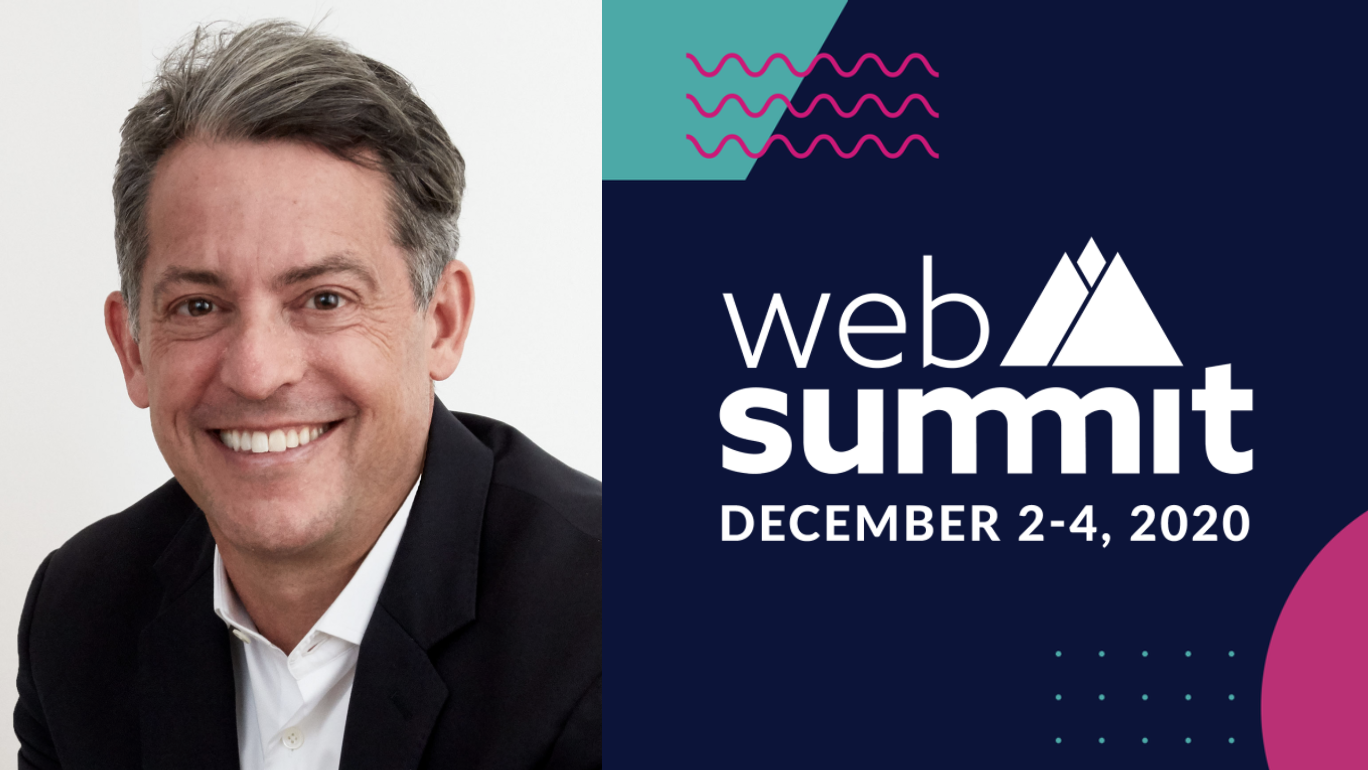
Vox Media’s CEO and Co-Founder speaks with Business Insider’s Alyson Shontell about industry trends, diversity, equity & inclusion, and planning for a post-pandemic future

Brands have a growing mandate from consumers to make society and the environment safer—to stand for something both in purpose and action. From social justice to climate justice, the expectation of brands is to make an impact by prioritizing progress for all above – or at least alongside – profit. As VoxMediaIQ – Vox Media’s social impact practice – looks to close the gap between purpose and impact, Vox Media believes there’s an opportunity for brands and media to do more of that together. As part of this work VoxMediaIQ undertook a study—Why Equality Matters. The objectives were to make the concept of equality more tangible for brands, understand what aspects of equality consumers are rallying around, how that impacts their spending habits, and why it should matter to marketers. This study is part of Vox Media’s ongoing research on shifting social consciousness in these unprecedented times. In conducting this research, we found universal support among Vox Media’s audience for the Black Lives Matter movement and that the majority of our audience felt motivated to take some kind of action in support. Learn more about audiences’ perspective on the Black Lives Matter movement here. Topline learnings: The Vox Media audience seeks brands and editorial that align with their values—brands that take action and editorial that informs how to take action. Echoing the core values of VoxMediaIQ, our audience wants to participate in change. They strive to embody a new sense of conscious consumerism. Across our 13 editorial networks, Vox Media readers defined equality as equal access to resources/opportunities (47%) regardless of their personal circumstances (53%), demonstrating a belief that we do not have equality until we have equity. 80% of the Vox Media audience believe brands can have an impact on social issues and expect them to step up, even if it’s not related to their business. This has translated into how the audience spends as well – 65% of Vox Media readers have started using a brand because of a position or action it took, and 84% have stopped using a brand for the same reason. Readers overwhelmingly agreed that journalism should help identify social issues (96%), tell stories of how they impact individuals (94%), and explain the meaning of inequality (92%). When asked what social issues are the most problematic in the US, readers said all issues presented in the survey were relevant. That said, the greatest issues corresponded to where they saw the greatest inequalities. Through this study we surfaced how Vox Media readers and non-Vox Media readers define equality, identified what issues matter most to them, explored readers’ expectations of brands, and examined the role of journalism. Download the full whitepaper here. About VoxMediaIQ Vox Media has always been dedicated to activating positive change in the world. Now we are harnessing that commitment – from our audience, editors, and partners – – with a playbook proven to achieve impact through expert storytelling and analysis. Vox MediaIQ is a playbook of tactics and capabilities proven to work for brands. We leverage this playbook to tell the stories of brands who are using their influence to make a net-positive impact on the world.
The eight-part interview podcast series debuts today and runs through Inauguration Day––subscribe here.

Full season now streaming: The series explores some of the most satisfying culinary destinations around the world including the Pacific Northwest, Casablanca, Tijuana and Costa Rica
The network welcomes Nyerr Parham, General Manager, and Bryan Graham, Senior Director of Audience & Engagement

The new podcast, a relaunch of Kara Swisher’s award-winning interview show, Recode Decode, debuts today.