

Vox Media Appoints Ryan Pauley to Chief Revenue Officer
Pauley to Oversee Sales, Revenue Operations, Client Services, Concert and Vox Creative
SB Nation and the Vox Media Podcast Network Launch New Podcast Series, “It Seemed Smart”
Hosted by SB Nation Reporter Spencer Hall, programming starts today with six episodes chronicling absurd sports stories throughout history

Vox Launches New Section, Future Perfect
The new section covers effective altruism and is in partnership with The Rockefeller Foundation

Chicago Sun-Times Is The First Newspaper Publisher To Join Chorus
Vox Media is pleased to welcome the prestigious “hardest-working paper in America” which has served the Chicago community as the oldest continuously published daily newspaper in the city

YouTube Greenlights New Series From Vox Entertainment
Series Slated To Premiere On Vox’s YouTube Channel In 2019

Vox Media to Launch New Facebook Watch Show “Consider It” on October 4
Weekly News Show Takes a Nuanced Look at Issues Polarizing America

Vox Media Launches “The Goods by Vox” to Explain Consumer Culture
The New Section on Vox is Live Today Presented by American Express.

Vox Media Taps Hetal Patel as Head of Sales Research & Insights
The new role signifies Vox Media’s continued commitment to being a data-first and disruptive company, strengthening expansive offering to marketers and advertisers

Vox Media & SB Nation Launch Four New Podcasts with 12 New Shows Dedicated to Philadelphia Sports
Bleeding Green Nation will cover the Eagles, The Good Phight will cover the Phillies, Broad Street Hockey will cover the Flyers, and Liberty Ballers will cover the 76ers
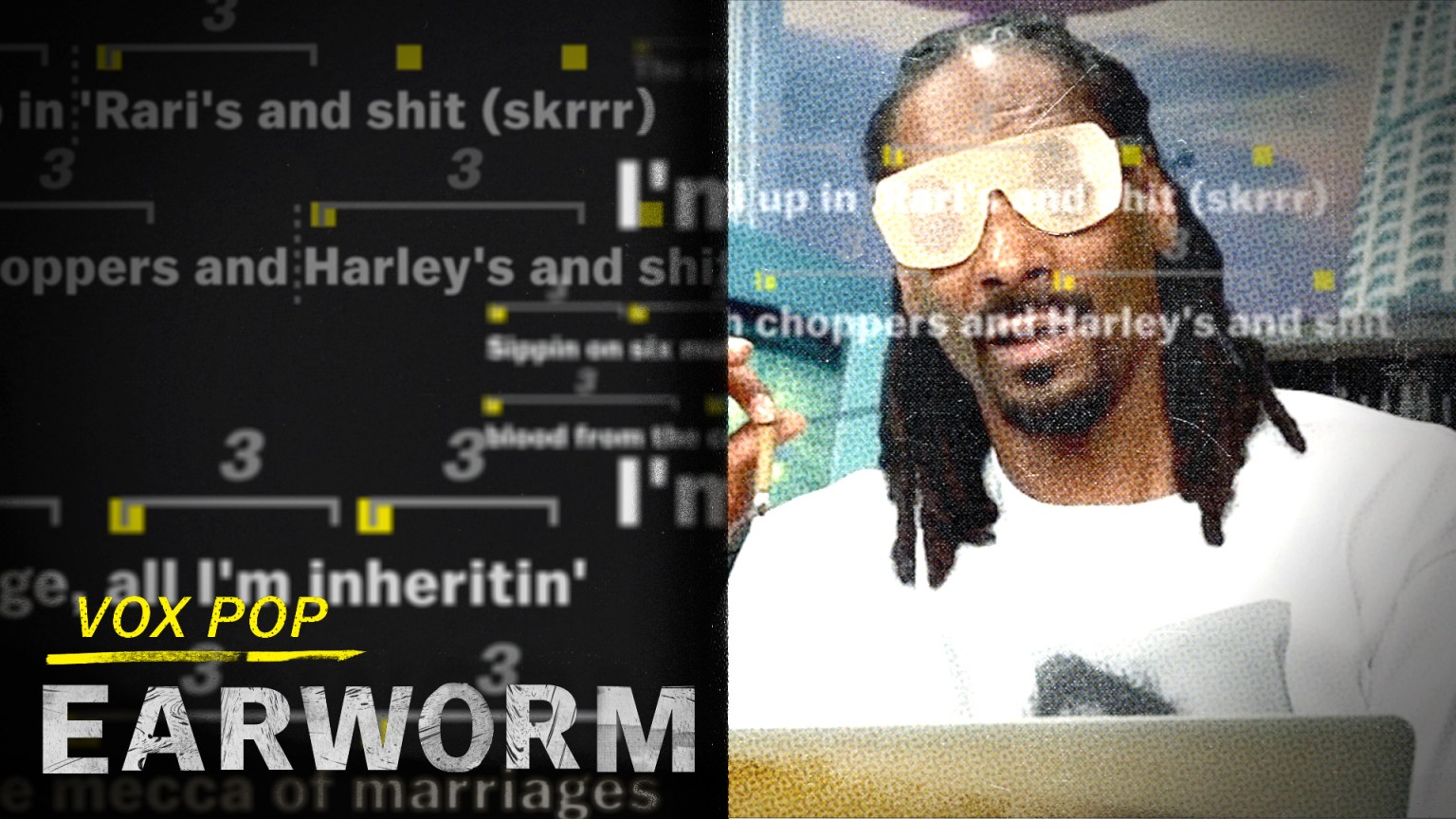
Vox Earns 3 News and Documentary Emmy Award Nominations
Estelle Caswell and Johnny Harris Nominated for Second Consecutive Year

Chorus Platform Officially Open to Premium Digital Publishers
Powering Vox Media for the last 10+ years, Chorus licensing is officially open for business

Vox Media and the American Enterprise Institute Partner to Release New Podcast, The Arthur Brooks Show
New weekly podcast explores the art of disagreement, against the backdrop of a toxic political climate.

Vox Media and Ford Build, From the Ground Up, the “Home of the Future”
A collaboration with Curbed and The Verge, the original activation reinvents the daily integration of smart tech, both at home and on the go

GALLERY: Vox Media and LiveNation at Cannes 2018
Vox Media and LiveNation host ‘The Deep End’ at the annual Festival of Creativity

Cannes Round-up 2018: Vox Media’s Time at the Annual Festival of Creativity
Vox Media hosts annual dinner, joins industry stages to speak to consumer engagement and the future of producing premium content
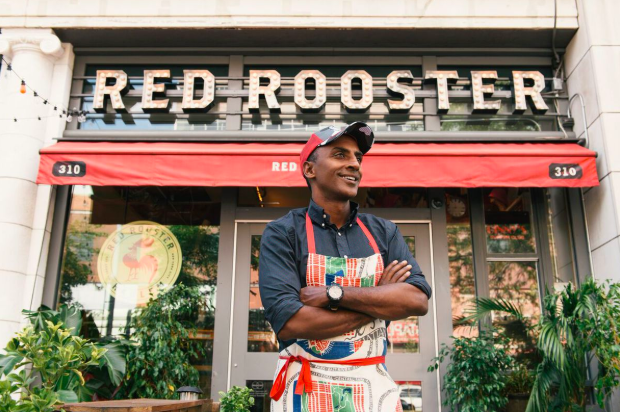
NO PASSPORT REQUIRED, New Six-Part Series Produced by Eater & Hosted by Chef Marcus Samuelsson, Premieres on PBS
New series from Eater and PBS Explores America Through the Culture of Food in Six U.S. Cities

Vox Media at Cannes 2018
How to connect with Vox Media during the 2018 Festival of Creativity

Tune In: MSNBC And Vox Media’s Recode Present “Revolution: Tech Titans Shaping The Future” With Kara Swisher
Five of the Biggest Code Conference Interviews in One Special Sunday, June 10th at 6:00pm ET on MSNBC
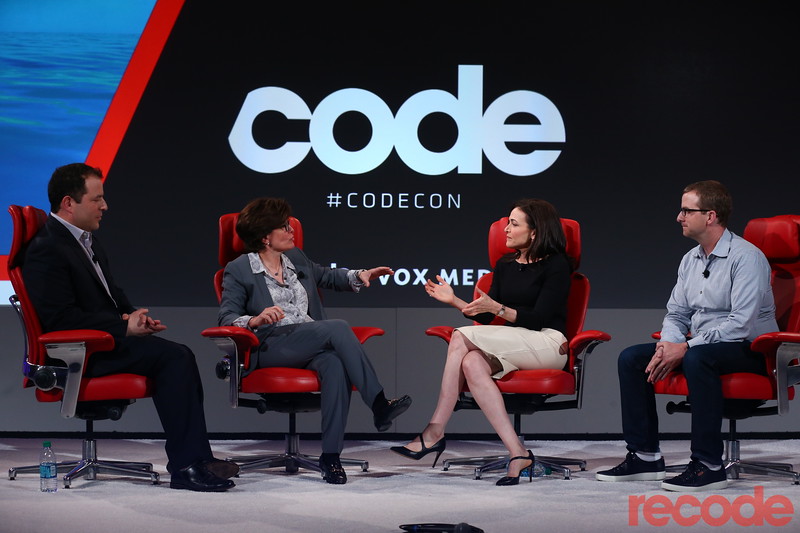
Recap: Recode’s 2018 Code Conference
Leaders in tech, media, politics and business gathered together at Terranea Resort in Rancho Palos Verdes for Recode’s annual conference.

Vox Media Hires Meridith Webster as First Chief Communications Officer
New role will oversee external and internal communications, corporate marketing and public affairs for the company

Top Digital Publishers Join Concert To Create The Largest Premium Advertising Marketplace Online
Concert announces new partners including New York Media, POPSUGAR, and Rolling Stone

SB Nation Announces Its First-Ever OTT Investigative Docuseries “Foul Play: Paid in Mississippi”
Four-part Series Examining an NCAA College Football Scandal in Mississippi to Stream on Verizon beginning May 30th

An Anthropological Approach to Branded Content
This is part of a larger series called the Vox Creative Grad Guide. Gelato traces its roots all the way back to winters in Ancient Rome, when fruit would fall from trees into the snow. Romans would squeeze lemon juice over the syrupy snow and eat it as a frozen treat. Eventually, they would pack this snow and ice under hay and bring it down from the mountains to cellars in Rome — a refrigeration system of sorts. It’s not clear where exactly in Italy gelato as we know it today came from, but by the 1860s, ice cream machines imported from the United States made large-scale gelato production possible. Now, Italian gelato is known and beloved by people around the world. All this I learned from Nazzareno Giolitti, the fourth-generation owner of Giolitti, the longest-running family-owned gelateria in Rome. We were sitting around a small round table on the tourist-filled cobblestone street outside his restaurant, a translator between us and a group of nuns chatting and eating their ice cream cones happily nearby. It was in that moment that I realized that I was putting into practice exactly what I had learned from my anthropology classes in college at work — and how grateful I was to be able to do so. What you learn in school shows up in unexpected ways. I didn’t expect to end up applying what I had learned in school into such direct use at my job. I’m a writer at Vox Creative, where I research, write, and story produce branded content videos in partnership with advertisers that run across Vox Media’s eight networks. In Rome, we were shooting a video about the traditional and modern sides of Roman cuisine for a hotel rewards card advertiser. We visited the proprietors of historical and new bakeries,
How My Liberal Arts Degree Led to My Career in Advertising
This is part of a larger series called the Vox Creative Grad Guide. Like many college students, I graduated without knowing what I was going to do with my liberal arts degree. I had majored in political science only to find that I didn’t want to work in government or go to law school. Instead, I became fascinated with journalism and its role in democracy. The Internet completely disrupted the way we produce and consume media, and the simultaneous role that media played as a check on government and as a corporation began to raise serious ethical questions. But I wasn’t content just pondering questions — I wanted to be in the thick of it and better understand how the monetization of media was going to evolve in the real world. So, I began my search by looking into new media companies that were flipping the traditional ways that media makes money. I found that new companies like BuzzFeed and Vox were experimenting and creating a lot of industry buzz — native advertising, ads that mirrored the editorial content we enjoy consuming. And they needed people who had both a creative penchant for great content ideas as well as a strategic mindset that could break down an advertiser’s objectives. I started as an intern supporting the marketing team at large but quickly became interested in creative strategy, a team within Vox Creative, Vox Media’s in-house creative studio. And throughout my career, I have found that my liberal arts education has helped me in ways I hadn’t thought it would. Because I had taken so many classes that weren’t “career-related” but were still genuinely interesting to me, I was able to come up with truly unique, out-of-the-box content ideas. Whether it was philosophy of religion or gender studies, I leaned on