

The Dodo Premieres First Creator-Led Series, “Animal House”
Starring the DeFisher family, the TikTok-first series unravels three generations of animal lovers and everything they can teach us about parenting

Thrillist Launches ‘The [Scenic] Route,’ an International Take on the Great American Summer Road Trip
Thrillist is taking its summer road trip coverage all over the world this year, so buckle up.

POPSUGAR Play/Ground at ROW DTLA is the Ultimate Day Off
Sponsored by Revlon®, Ninja Blast™ and SweeTARTS, Play/Ground returns on June 2nd at ROW DTLA with a Wake-Up Call led by Cody Rigsby, celebrity fitness guru and star Peloton instructor, and a performance and conversation with special musical guest, Chlöe

SB Nation Launches New Golf Community, Playing Through
The community will cover a pivotal moment in the sport of golf
Podcasts: A New Era of Influence
Podcasters are now more persuasive than traditional influencers
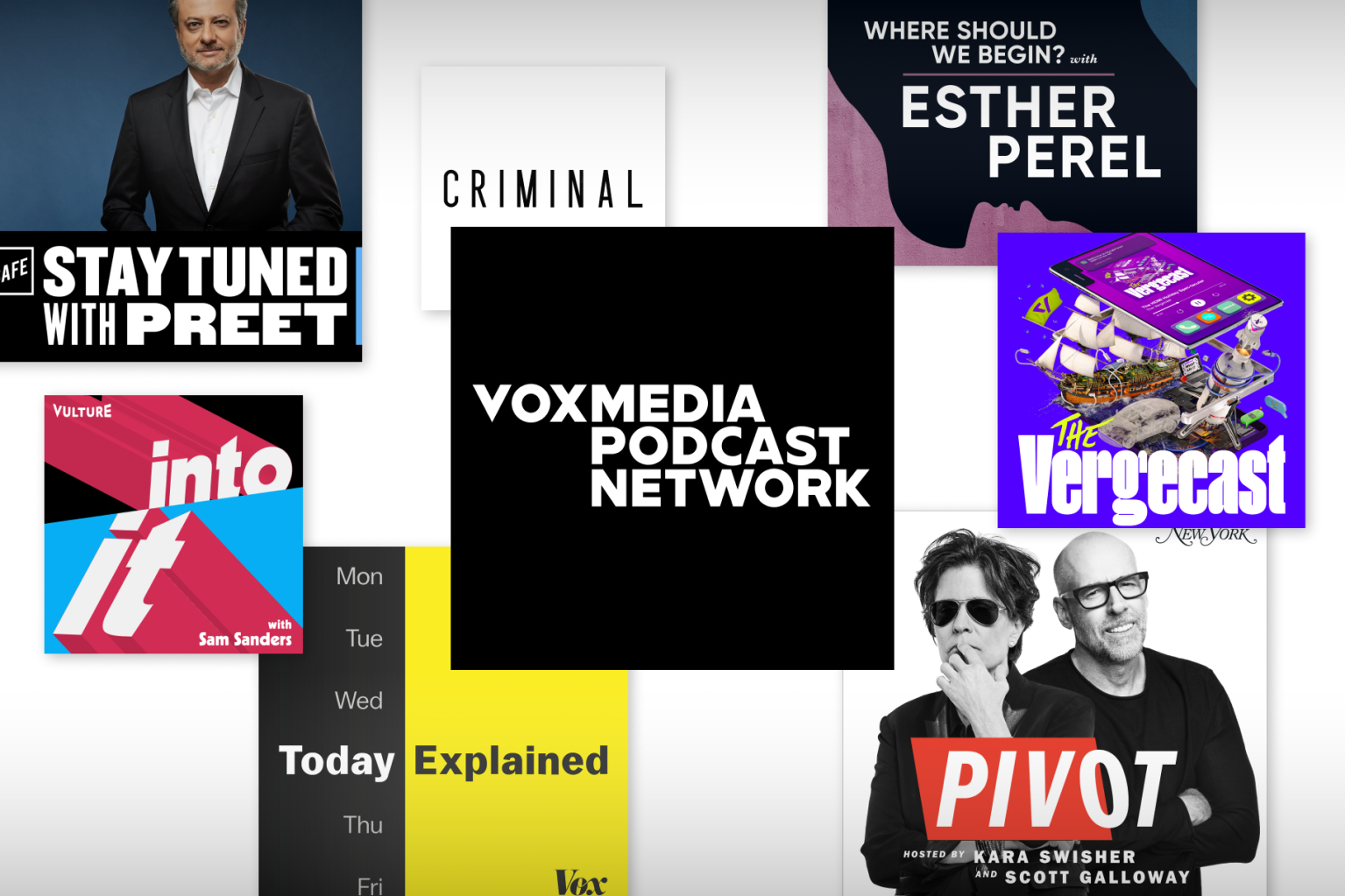
Vox Media Ranked Top 10 Podcast Publisher
The company unveiled a unique monthly U.S. audience of nearly 6 million listeners, making its debut on industry leading ranker, Podtrac
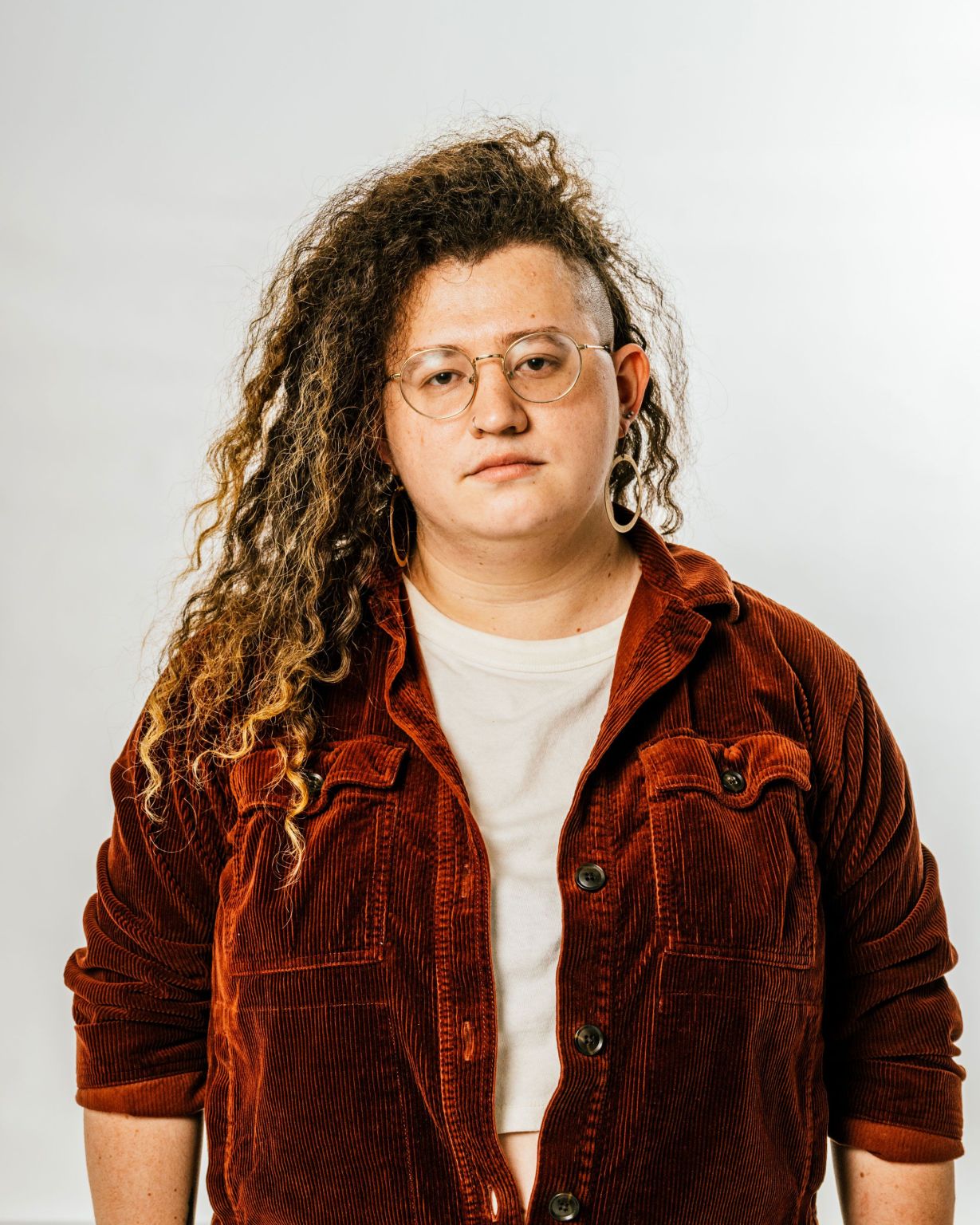
Andrea Long Chu, New York Magazine’s Book Critic, Wins Pulitzer Prize
The prize is the first Pulitzer for Vox Media.
Vox Media Ranked Top 10 Podcast Publisher
The company unveiled a unique monthly U.S. audience of nearly 6 million listeners, making its debut on industry leading ranker, Podtrac.
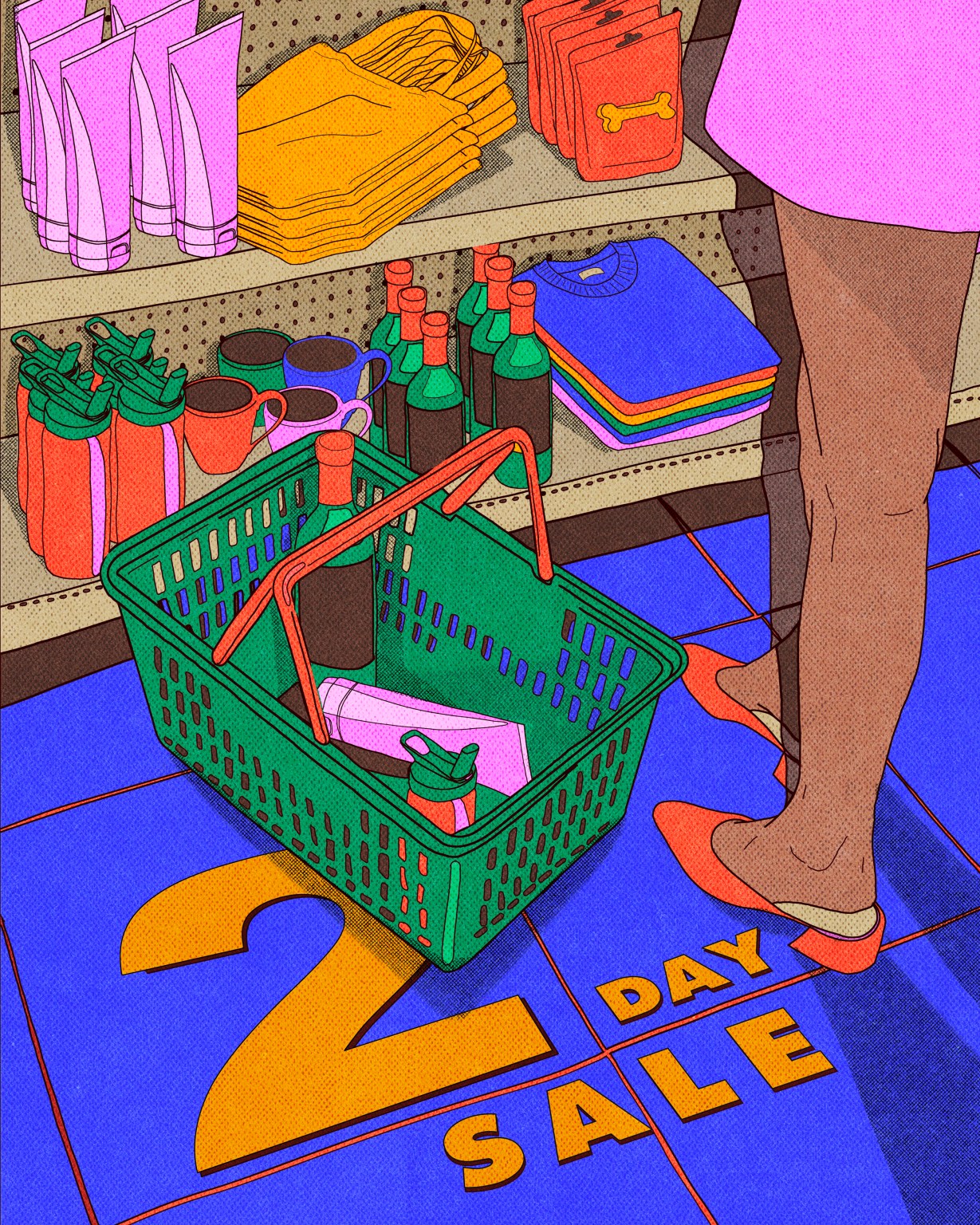
The Strategist Launches Its Fourth-Annual Two-Day (Actually Good) Sale
New York Magazine’s shopping recommendation site’s sale brings readers some of the best deals from brands like Madewell, ILIA, NuFace and Chewy

Vox Media Wins Six Awards at the 2023 Webbys
Vox, The Verge, NowThis, and Vox Creative awarded for work across video, podcasting, and social media

Lindsay Schrupp Named Editor-in-Chief of Thrillist
“Lindsay is a seasoned journalist who has proven she knows how to inspire and manage a team but also set an editorial vision.”

Vox Creative Launches Custom Audio Ads with Chevrolet Starring Kara Swisher
The segments star Swisher as herself in her very own Chevy Bolt EV and will run across On with Kara Swisher and Pivot
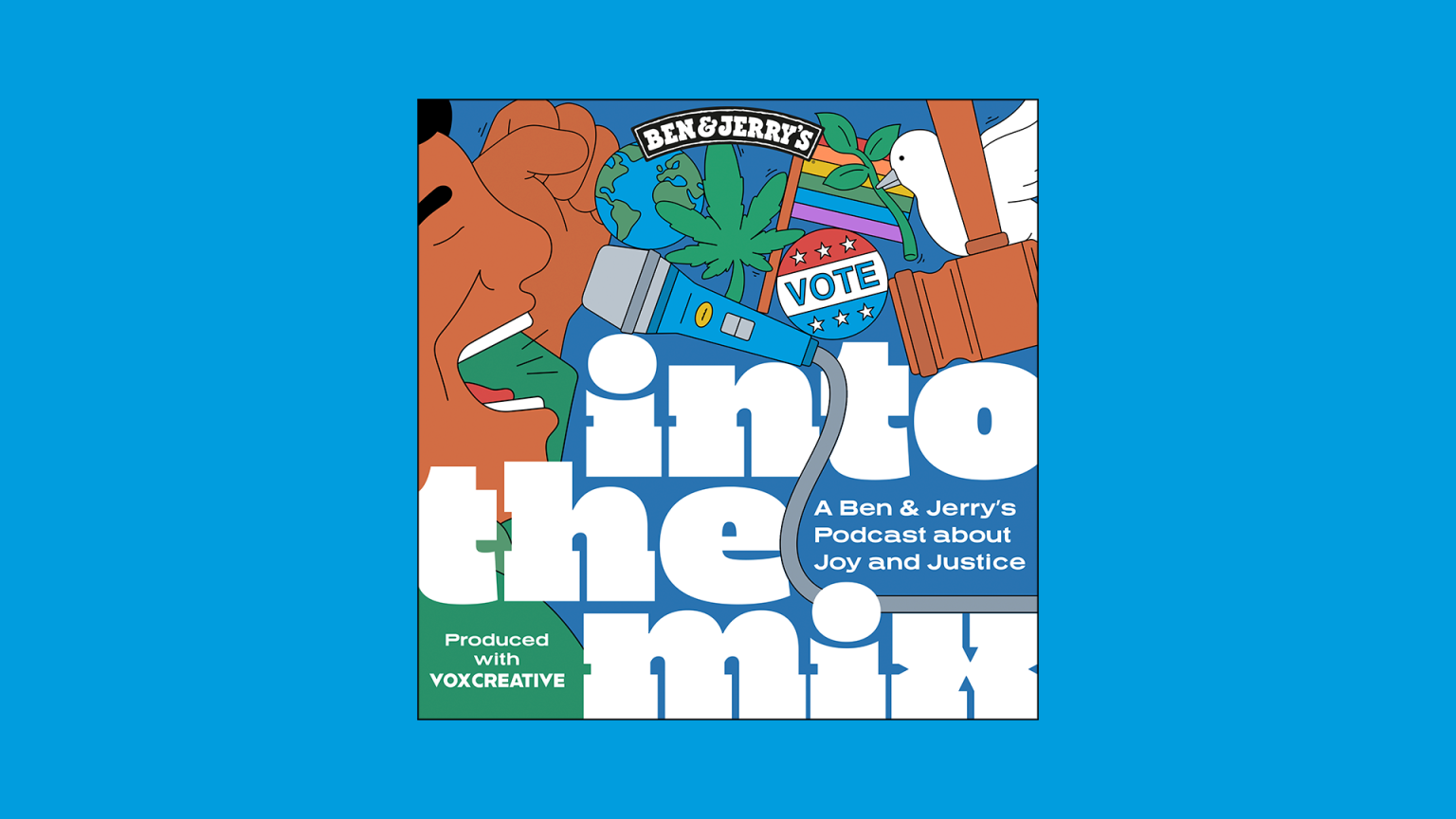
Ben & Jerry’s and Vox Creative’s “Into The Mix” Podcast Returns for Season Two
New season brings stories of struggle and success from the everyday people at the heart of today’s social justice issues
Vox Media’s Annual Code Conference Returns For Its 20th Year, With New Hosts and a New Location
Taking place from September 26-27 at the Ritz Carlton, Laguna Niguel, the invitation-only conference will be hosted by The Verge’s editor-in-chief Nilay Patel, Platformer founder Casey Newton, and CNBC senior media and tech reporter Julia Boorstin.
NowThis Secures Investment for Growth Through a Strategic Partnership Between Vox Media and the Accelerate Change Media Network
NowThis will become an independent entity with capitalization for continued growth from the Accelerate Change media network and retain its position in Vox Media’s advertising portfolio.
Vox Media Receives 13 Webby Award Nominations
From today until Thursday, April, 20th, vote for your favorite podcast, video series, social content, and website!

The Clorox Brand Partners with Vox Creative to Launch Popsugar Series Demonstrating the Transformative Power of Clean
“Start clean,” hosted by Queen of Cleaning on TikTok, Vanesa Amaro highlights the link between a clean environment and one’s physical and emotional wellbeing
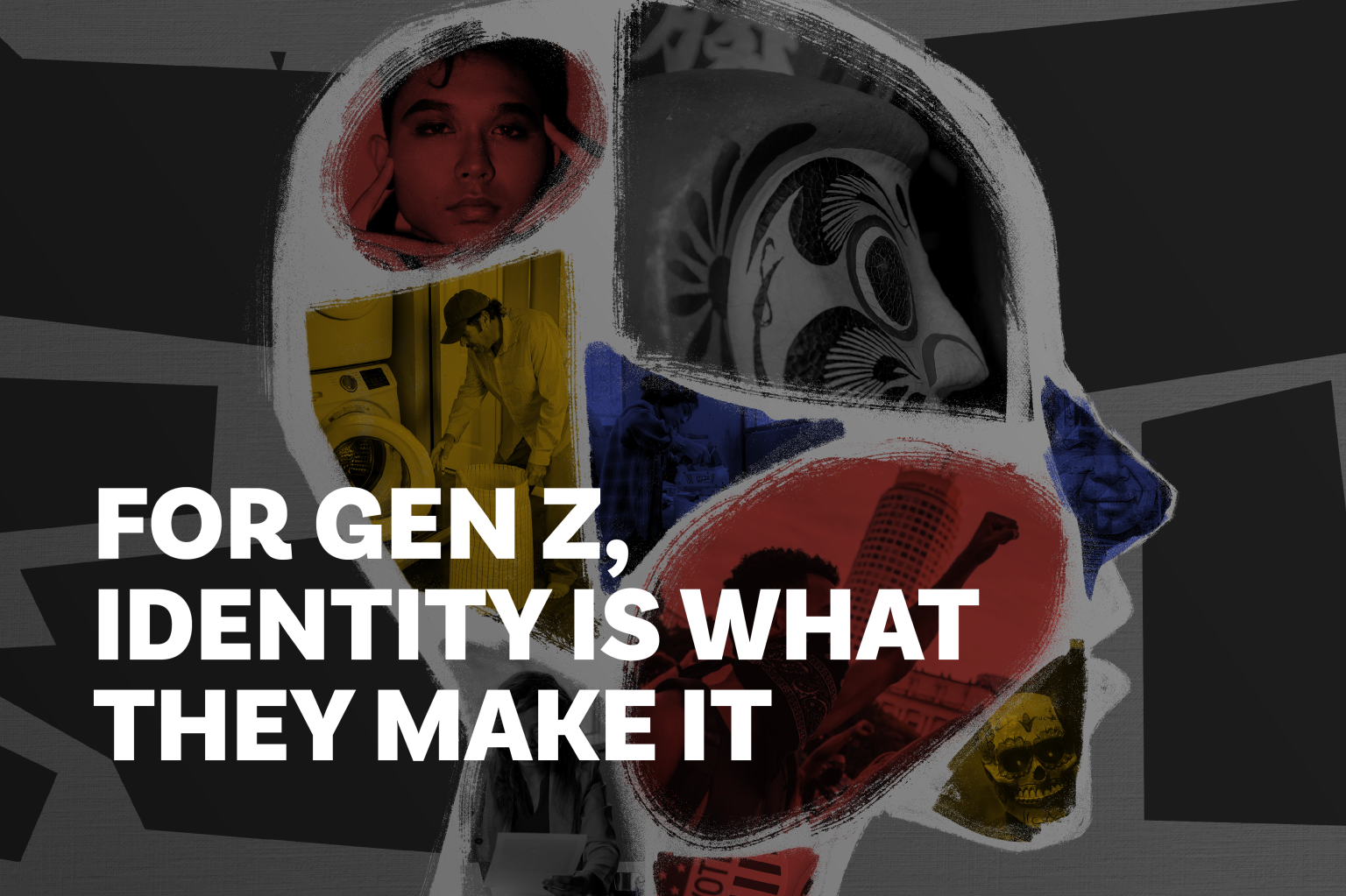
Insights & Innovation: For Gen Z, Identity is What They Make It
Gen Z is made up of pre-teens, teens, and young adults born between 1997 and 2012, and what makes this generation unique is its position as the most diverse ever in terms of race, ethnicity, and gender. Based on the latest US Census, those under 18 are nearly two times more likely to identify as two or more races, and Gen Z will likely be the last generation that is predominantly white. Many Gen Z-ers grew up with President Obama in office and bore witness to historical events like the legalization of same-sex marriage. For them, the concept of identity is not straightforward; not only do Gen Z-ers accept and embrace their own differences, but what makes others different, too. Vox Media partnered with Horowitz Research on a survey of 800 Gen Z-ers ages 14-24 to understand how the intersection of race, ethnicity, sexuality, gender, and other variables affect their perception of identity, the role media plays in shaping their points of view, and what it takes to build brand trust among this highly informed and connected audience. Gen Z-ers recognize how powerful media can be in driving acceptance, but feel there is room to improve within the advertising industry. Media and brands are being held accountable for shaping the way society thinks about gender, sexuality, and race, and they’re responsible for creating an environment that promotes inclusivity — but it must be done via an honest dialogue about brand ethos that’s backed up with real policy, practice, and people. In many ways, there are parallels between the way Gen Z thinks about their own personal identity and a brand’s identity. According to a 2021 Bloomberg article, Gen Z has a disposable income of $360 billion, but their approach to spending is nothing like what we’ve seen from previous generations.

New York Magazine Wins Two National Magazine Awards
Eater and The Verge were also finalists for several awards
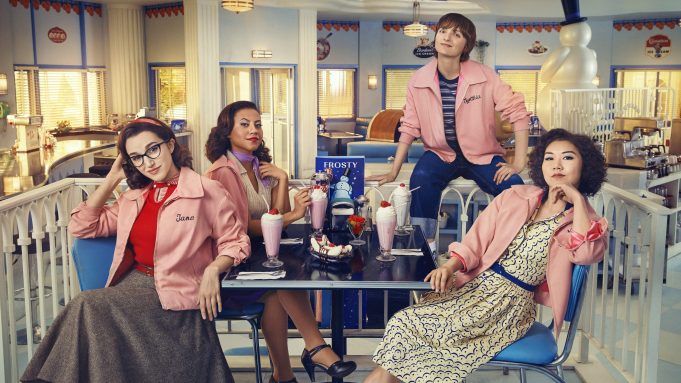
Parmount+ and Popsugar Welcome You to the 1950s with the Frosty Palace-Themed Two Day Interactive Experience
The Iconic “Grease” Diner Pop-Up in Los Angeles Will Celebrate the Upcoming Launch of the Paramount+ Original Musical Series “Grease: Rise of the Pink Ladies”
REEMERGENCE & REINVENTION IN CHAOS
CHAOS BREEDS GOBLIN MODE? There’s a reason “Goblin mode” — acting “unapologetically self-indulgent… in a way that rejects social expectations” — was voted Oxford Dictionary’s 2022 word of the year. While the chaos of the pandemic may be (for the most part) behind us, the world has yet to return to a state of calm. In fact, many people feel that things are more disruptive than ever. Working with SightX, we surveyed 4,000 people with the goal of understanding the various anxieties and struggles consumers are now facing — whether they be political, economic, or health-related. This type of work isn’t the most comfortable, but it is honest. It’s also the best way for marketers to understand consumers’ current states of mind, and, ultimately, how to celebrate their resiliency through difficult circumstances. A REACTION TO CHAOS We utilized a well-defined psychological model known as “the 5 Fs” to understand how people currently perceive society’s response to chaos. Here’s what they said when asked how much they agree with each statement in regards to society at large: THE 5 Rs ARE WHAT REALLY MATTER Thankfully, our perception of general society doesn’t necessarily reflect our own personal reality. In other research from Vox Media, we are seeing a trend of defiance among consumers; for example, see what we forecasted as they approached the holiday shopping season in the face of recession indicators. REEMERGENCE The post-pandemic world will have ~⅘’s (78%) of people reconsidering priorities, values, and a readjustment to how they spend their time and energy. In fact, ⅖ believe they have a clearer sense of meaning. REINVENTION There is a desire for change as 68% are tired of the chaos, and nearly half are considerably more interested in reinventing themselves. ~60% say they are more willing to help others and are

Popsugar Announces 2023 Beauty Award Winners
Popsugar’s trusted team of beauty editors sorted through thousands submissions to deliver the 97 skin-care, hair, makeup, fragrance, and nail products that stand above the rest
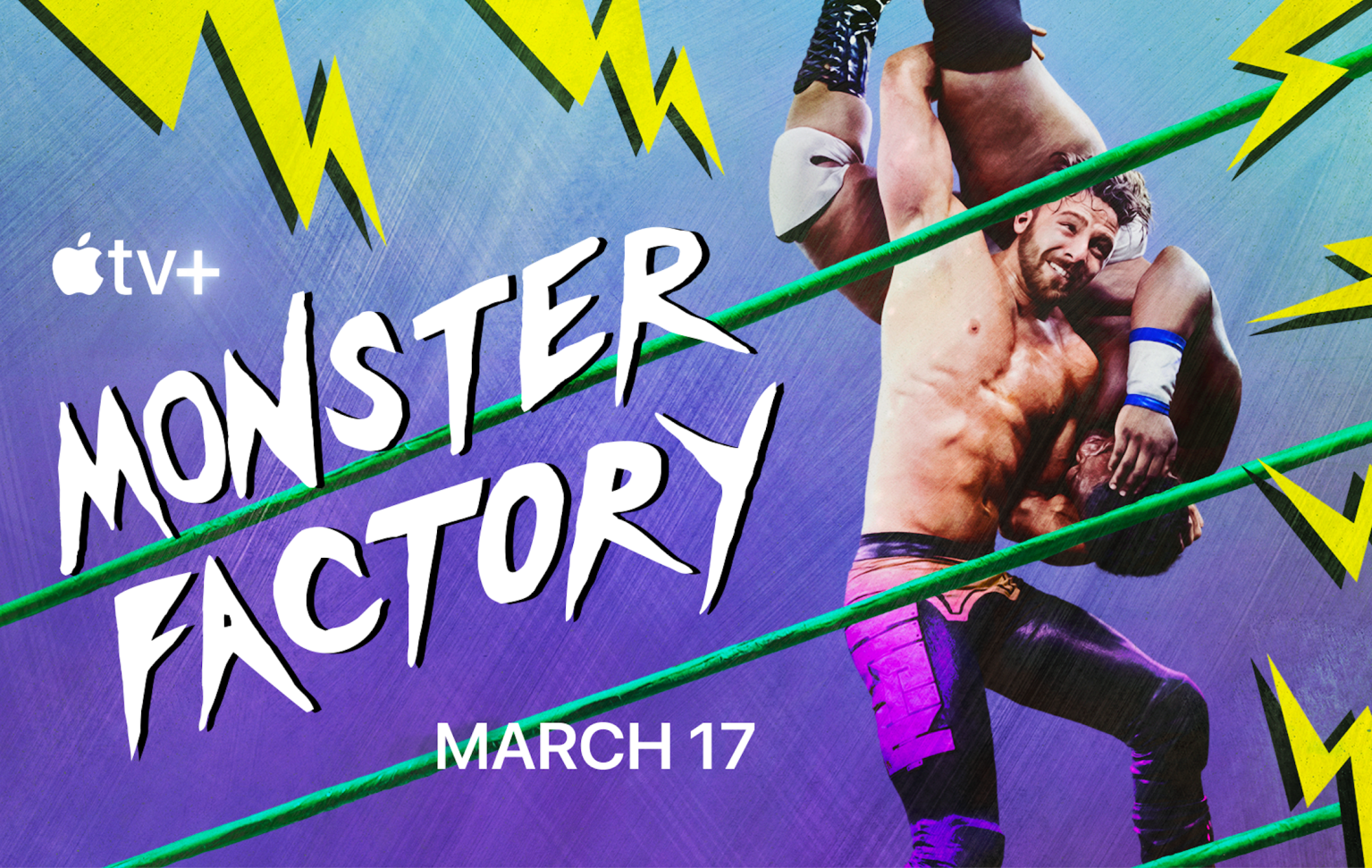
Wrestlers Showdown in Vox Media Studios’ New AppleTV+ Series “Monster Factory”
Documentary Series Premieres Today and is Co-Produced with Public Record

Esther Perel Joins Vox Media in Podcast Partnership
Perel’s award-winning podcast, Where Should We Begin?, will go always-on with Vox Media in the Summer of 2023