
Vox Media Announces Strategic Investment from Penske Media Corporation
Monday, February 6–Vox Media Co-Founder, Chair, and CEO Jim Bankoff today announced that the company has finalized a strategic investment from Penske Media Corporation (PMC). Vox Media is the owner of leading media brands including: Vox, New York Magazine, The Verge, The Cut, Eater, Vulture, The Strategist, Polygon, SB Nation, Intelligencer, Curbed, Grub Street, Recode, Thrillist, Popsugar, The Dodo, and NowThis. The terms of the deal were not disclosed. “We couldn’t ask for a better partner than Jay and Penske Media to invest in our company’s future success, and help us build on and accelerate our creative work and business strength,” said Bankoff. “This investment by Penske Media will allow Vox Media to continue scaling its existing brands and operations, while also providing resources for future acquisitions, and is another step forward in the ongoing success of Vox Media.” “I have long admired Vox Media’s world-class editorial teams and brands,” said Jay Penske, CEO and Founder, Penske Media. “We deeply respect the track record of both Jim Bankoff and the senior leadership team at Vox Media, and the company’s remarkable growth over the last decade. The Penske Media and Vox Media alliance will further cement both companies as leaders in modern media and take advantage of new opportunities at scale. Our two companies share a similar history of organic and acquisitive growth over time, and it made sense to invest for the future.” Transaction highlights: The financial terms of the investment were not disclosed. The two companies will continue to operate independently. As part of the investment, Penske Media will become Vox Media’s largest shareholder. Jay Penske will join the Board of Directors at Vox Media. LionTree acted as financial advisor to Vox Media, while White & Case LLP acted as its outside legal advisor. Morgan Lewis served as Penske


Vox’s Policy Podcast, The Weeds, Announces Jonquilyn Hill as Host
As host, Hill will bring listeners inside our national conversation, digging into the policies shaping our lives.

Vox Media’s Award-Winning Narrative Series, Land of the Giants, Launches Seventh Season – About the Multi-Billion Dollar Dating App Industry
A collaboration between The Cut and The Verge, Land of the Giants: Dating Games premieres today, with new episodes out every week.
A Look at Vox Media’s Commitment to Sustainability
Chief revenue officer Ryan Pauley shares new policies, initiatives and partnerships to address the climate crisis.

The Verge Launches “Command Line,” a Newsletter About the Tech Industry’s Inside Conversation, by Alex Heath
Every Thursday, The Verge’s deputy editor will peel back the curtain on the tech industry’s most influential players for paid subscribers

Chasing a Feeling: The Modern Wellness Journey and the Role of Digital Media
While self-care has always been a focus, it has become even more top of mind since the onset of the pandemic. As wellness has captured greater attention, the perception of the category has evolved. Wellness now extends beyond just physical well-being to include emotional and mental health as well, and it has pivoted to be more closely aligned with proactivity instead of tackling challenges as they arise. 88% agree that wellness is about making a series of consistent, forward-looking choices that leave you feeling your best. As the narrative expands, consumers are increasingly turning to digital publishers for support. Compared to 2020, Google searches about wellness have increased by nearly +25% as people seek answers to their questions and guidance for the future. Consumers feel strongly that wellness content must touch on a wider range of topics than before, even those that might be uncomfortable, as well as become more inclusive, serving a diverse population. To dig deeper into consumers’ attitudes toward wellness and perception of digital wellness content, Vox Media partnered with Woo Brand Research on a survey of 1,300 consumers who read and/or watch wellness, health, and fitness content at least monthly. Successful digital publishers will recognize that wellness today is defined as taking care of a person’s entire well-being and will reflect this in their headlines and content. It is also imperative for publishers to develop effective content distribution strategies to build meaningful connections with consumers across platforms in an authentic way, as guided by our findings below. A NEW WAVE OF WELLNESS ENTHUSIASTS Two in five consumers first took an active role in wellness during the pandemic, driven by the youngest generation. Over 50% of Gen Z-ers have shown a real interest in wellness over the past two years, significantly more than Millennials (40%) and Gen
Vox Media Looks Back at a Year of Expanded Reach, Relevance, Trust, and Influence
The modern media company welcomed new brands, launched new products, and engaged audiences through thoughtful journalism and meaningful partnerships.

Vox Media Unveils New Carbon Neutral Offering with the Concert Green Marketplace
New green media product (GMP) will leverage data and technology from Scope3 to measure and compensate for carbon emissions
INSIGHTS & RESEARCH: 2022 ROUNDUP
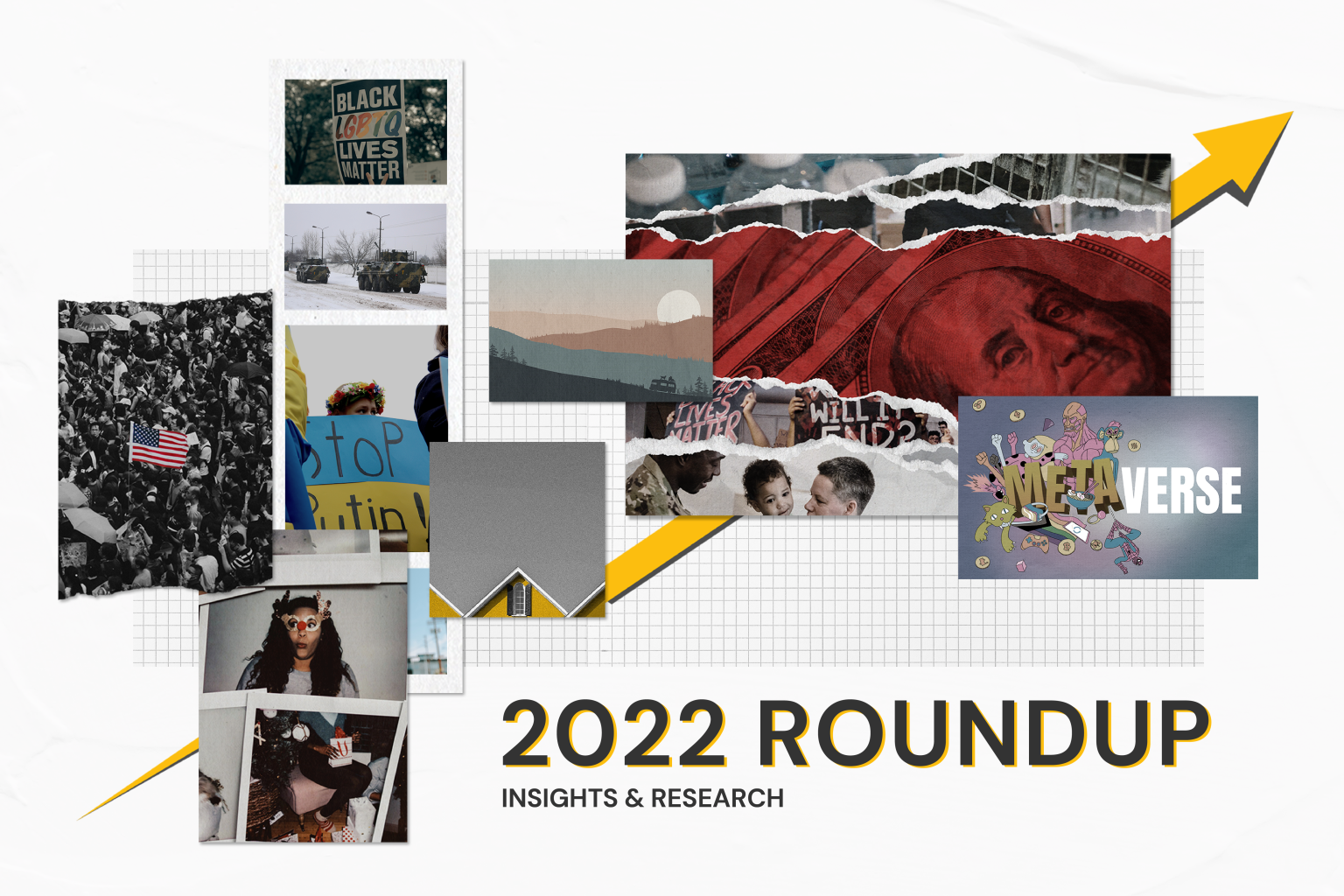
We started the year by explaining instead of predicting (and, as we thought, now ChatGPT might be the robot that actually saves us). Our work ventured into the evolution of social video, the need for IP in the Metaverse, and the ever-changing path of multicultural marketing. We celebrated our differentiating brands and audiences at Thrillist and Vox, and told you as early as September that the defiant consumer will be shopping at all costs in Q4. For fun, we worked with Interbrand to predict the next set of successful brands in the next decade. Explore this roundup of all the research our Insights & Research team shared this year. THE YEAR, EXPLAINED Predictions are nice, but explanations are even better. Read more if any of these pique your interest: Only 38% of those surveyed believe 2022 will be calmer than last year, but don’t fear… 42% believe robots and AI may ultimately save us all. Most would choose an animal to be our avatar in the metaverse, with 5% saying GOAT… mainly because it stands for greatest.of.all.time! More than 60% would consider buying a “creator-branded” product — Mr. Beast Burger anyone? More than half are looking for the unbundling of media to actually re-bundle… with a dose of curation needed. Read our collab with Vox Creative: The Explainer Studio to learn more. THE NEED FOR SCALE & ENGAGEMENT As the media world continues to fragment, it is critical for marketers to understand what qualities make an effective video partner to maximize ROI. With this research, we’ve set out to create a guide for marketers to identify the optimal social video partner — one that can successfully move viewers down the purchase funnel. What’s most important is that marketers choose partners that deliver scale and engagement, with social video, especially from

Vox Media Studios and New York Magazine Celebrate the Premiere of “Sex Diaries” on HBO
Series Premieres with Back-to-Back Episodes December 16 at 11:00pm ET/PT

The Dodo Premieres an Inside Look at Willow’s First White House Christmas
Video Features First Lady Jill Biden, Willow, and the White House Holiday Décor

Mailchimp and Vox Creative Take on Classic Movie Genres in New Campaign
New campaign spotlights Mailchimp’s marketing tools for small business owners in three fun short-form films that follow rom-com, mystery and action plotlines

Polygon Celebrates Its 10th Anniversary and Looks Forward to the Next Decade of Entertainment in New Editorial Package
The team is also celebrating the relaunch of the Polygon Merch Store with limited edition anniversary clothes, a custom 10th-anniversary logo, a new book, and more.

Vox Media Promotes Audio Executives Ray Chao and Nishat Kurwa to SVP
Chao is now SVP and general manager of audio and digital video, and Kurwa is SVP and executive producer of audio.

Eater Announces the Best New Restaurants of 2022
The list of 15 restaurants represent the most exciting openings of the year
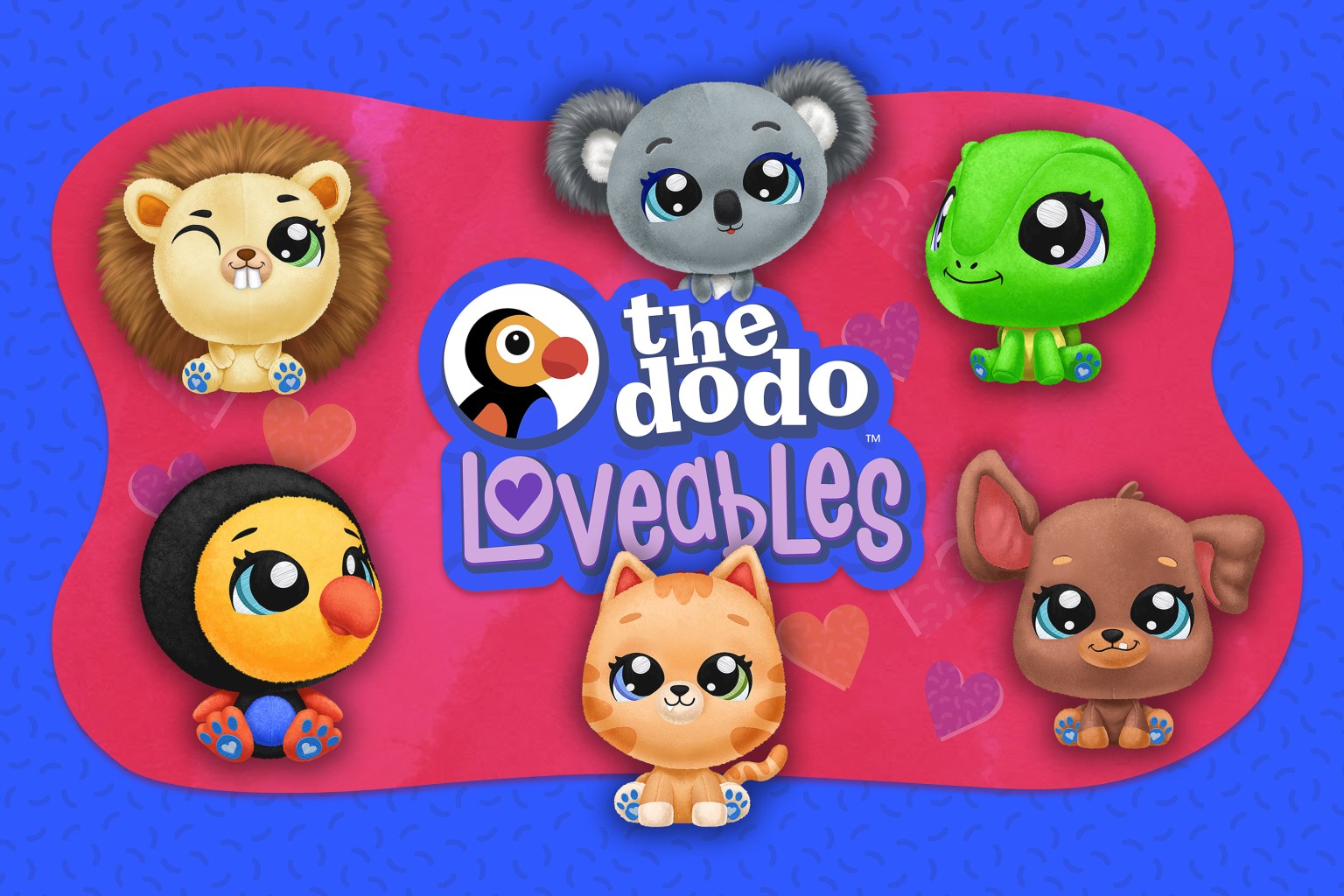
The Dodo Launches Its First Children’s Toy with “Dodo Loveables,” a Line of Collectible Plush Characters
Available at Walmart this winter and Target next spring, and produced in partnership with Bonkers Toy Co., the collection will feature six original characters inspired by The Dodo’s popular “Little But Fierce” series
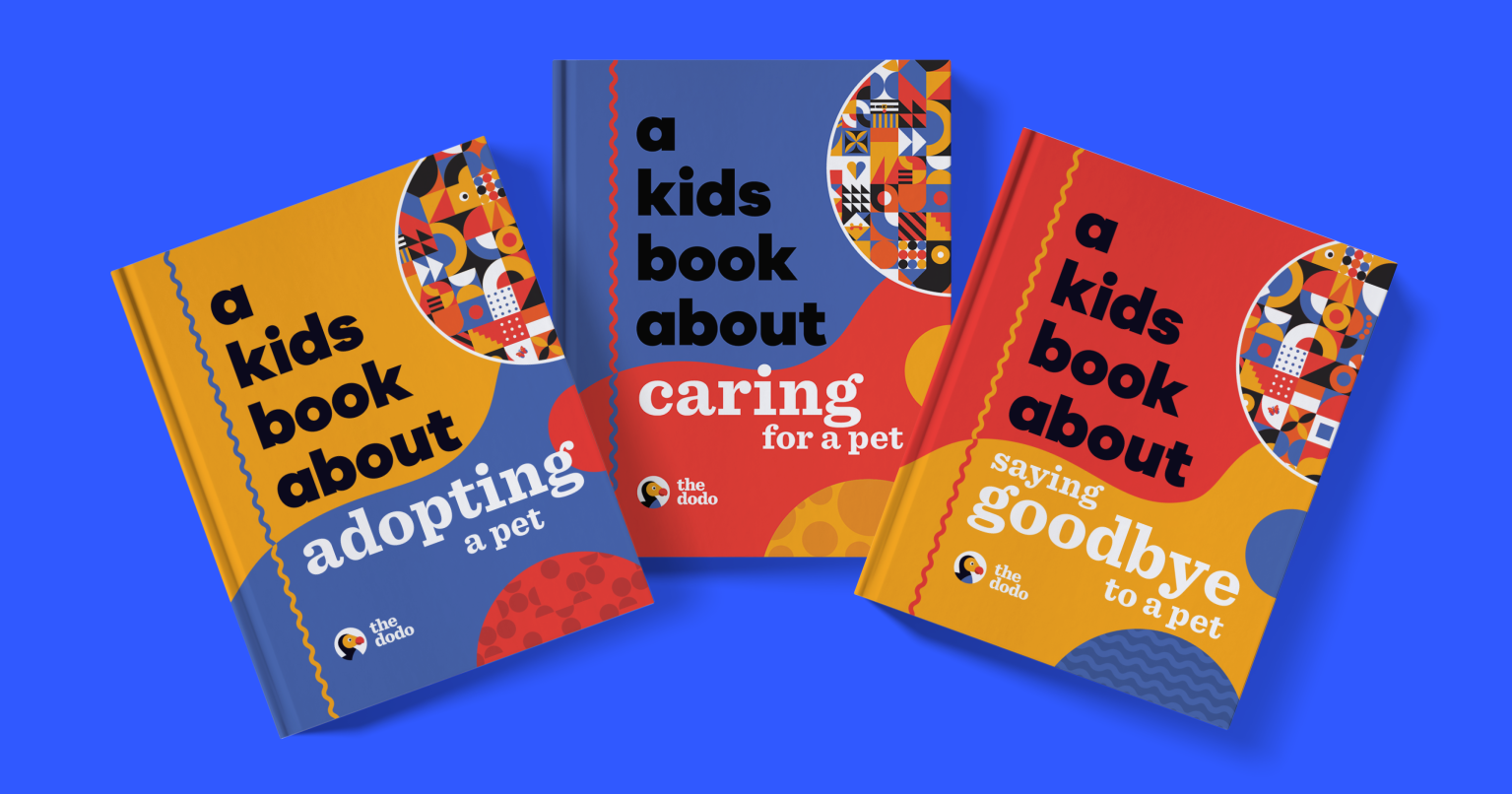
The Dodo Launches New Series of Books with “A Kids Co.”
Out today, the three-book series is geared toward teaching kids all about becoming a pet parent
The Pitch Joins the Vox Media Podcast Network in Strategic Partnership
The long-running podcast featuring real entrepreneurs pitching real investors joins a robust slate of business shows at Vox Media that includes Pivot, Decoder, Land of the Giants, The Prof G Pod, On with Kara Swisher and more.

Vox Media Supports the Journalism Competition and Preservation Act (JCPA)
This important bipartisan legislation is critical to protecting and supporting quality journalism during a time defined by misinformation.
Thrillist Audience Pursuing Reconnection: Immersive, Inclusive Travel is Cleared for Takeoff
Over the past three years, our lives have seen a lot of disruption. For many, the pandemic has created new routines, and with that, the freedom to try new things. These sentiments will carry into 2023; according to most consumers, now is the time to take the leap and book those long-delayed travel plans. Though many describe their years living through the pandemic as negative, it’s apparent that they have a positive outlook on the future — seeing opportunity, joy, and reconnection ahead. SEIZING THE DAY BY PLANNING TRAVEL – AND MILLENNIALS ARE IN THE DRIVER’S SEAT As our country emerges from the pandemic, travel planning is picking up. Travel plans are highest for in-state travel, followed by domestic overnight trips, and international travel. Generationally, Millennials are most likely to be planning travel, with nearly 1 in 3 planning international travel, and half planning to travel domestically (to another state). In comparison, Gen Z is least likely to be planning travel in the next 12 months: 1 in 5 intend to travel internationally, and 1 in 3 domestically (to another state). TRAVELERS ARE SEEKING DESTINATIONS NEW AND OLD There will be a fair amount of “repeat” travel this year (to places they know, but likely haven’t gotten to visit in a while). Consumers are eager to recapture the positive memories associated with their pre-Covid travel. That said, half of those planning trips are exiting the isolation of the Covid years and venturing out someplace new. INCLUSIVE TRAVEL AS A MEANS OF RECONNECTION AND REAWAKENING While budget will always be a main driver, travel consumers are now looking for a number of things while planning a trip. A major factor is inclusion; people want to visit places that feel inclusive and welcoming, which is nearly as important as the amount they

New York Magazine’s Investigative Podcast Series, Cover Story, Returns for Second Season
Cover Story: Seed Money premieres today and features the story of a Montana billionaire and the spy who accused him of running a sex trafficking network.
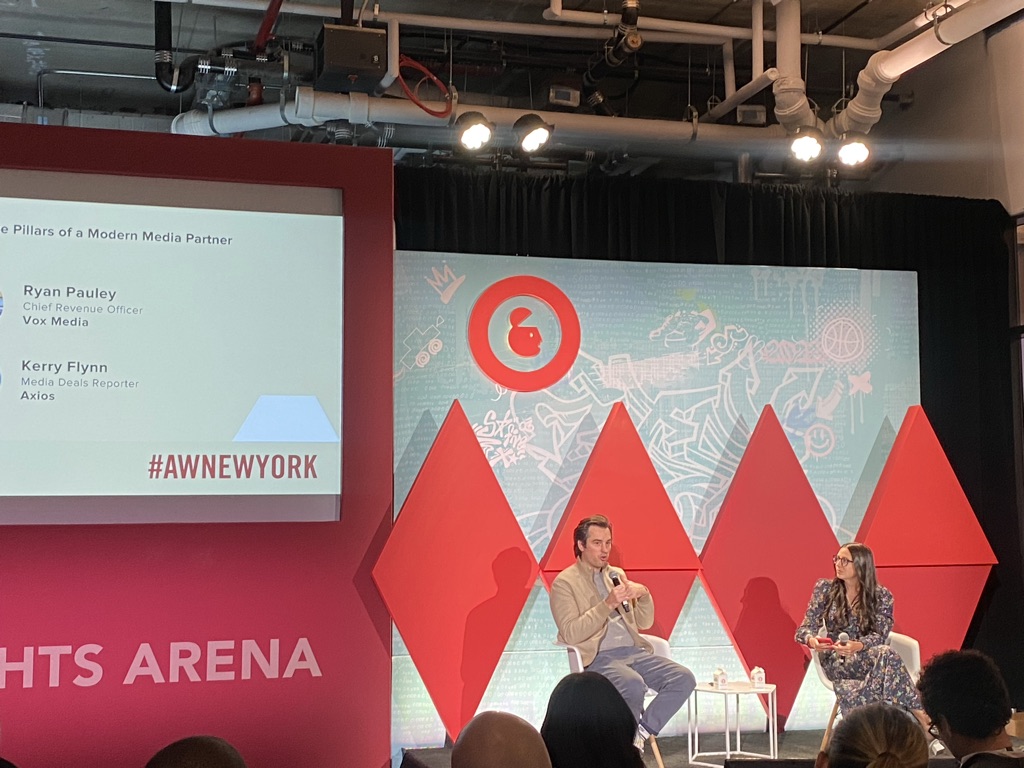
Advertising Week 2022: Vox Media’s Chief Revenue Officer on the Three Pillars that Make a Modern Media Partner
In conversation with Axios’ Media Deals Reporter Kerry Flynn, Pauley shares how the modern media company is differentiating itself
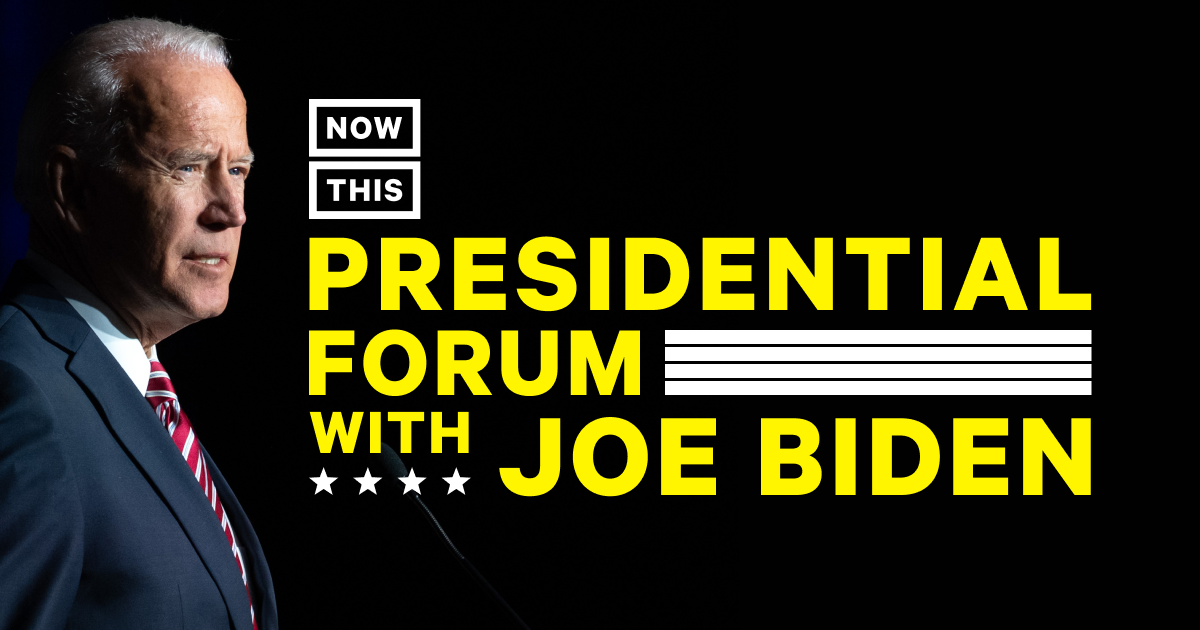
NowThis Announces Presidential Forum With Joe Biden
Biden in Conversation With Six Change-Makers on Issues Animating Young People Ahead of the Midterms