
Vox Media Podcast Network and Cafe Lift the Veil on the Italian Mafia with Up Against The Mob, A New Show on the World’s Most Dangerous Criminal Organization
Hosted by Elie Honig, a former federal and state prosecutor who prosecuted over 100 members of the mafia, the show will tell the real-life, insider stories of the characters who lived and worked in the mob world.

The Verge Enters Agreement to Acquire Hot Pod
The Verge’s senior reporter Ashley Carman will take over as lead writer, with Hot Pod founder Nicholas Quah joining New York and Vulture as podcast critic.

Insights & Innovation | Resolving Societal Regression: How Brand Leadership Can Make a Positive Impact
From climate to Covid, these are tough times — and, after hiding behind the anonymity of screens for the past 18 months, human behavior has seemingly changed for the worse. We’re all feeling greater division, a loss of connection, and in some cases, even a lack of basic decency. Just think back to early May, when NBA games returned and players were being spat on by rowdy, riotous fans. Have we truly regressed as a society, or have we temporarily lost ourselves as a result of our consequence-free digital worlds? We’ve already discussed how to market with empathy and awareness as we begin our transition out of the pandemic. But doing the work has raised even more questions — specifically regarding brand leadership. Right now, many companies recognize the positive role they can play within our new normal. In return, consumers now have even greater expectations for brands to engage through alignment, action, and acceleration. To dive deeper into this post-pandemic consumer mindset, we worked with Woo Brand Research on a survey of ~2,000 people. Some additional findings include: There is recognition that societal regression has occurred, but consumers remain hopeful about solving issues and creating change. In order for brands to act with “purpose,” there is a growing need to understand consumers with a new and increased focus on mental wellness. STEP 1: RECOGNIZING THE RESOLVE/REGRESSION CONUNDRUM It’s clear that society is fighting opposing forces of regression and resolve. Bad behavior is all around us, and though we might not like it, we’re not sure how to stop it. In your opinion, do you think being in a Covid-19 bubble since last year has….? Yes/No However, a more powerful resolve remains. People recognize that we’ve regressed, but still maintain hope for the future. The majority (68%) are feeling “optimistic
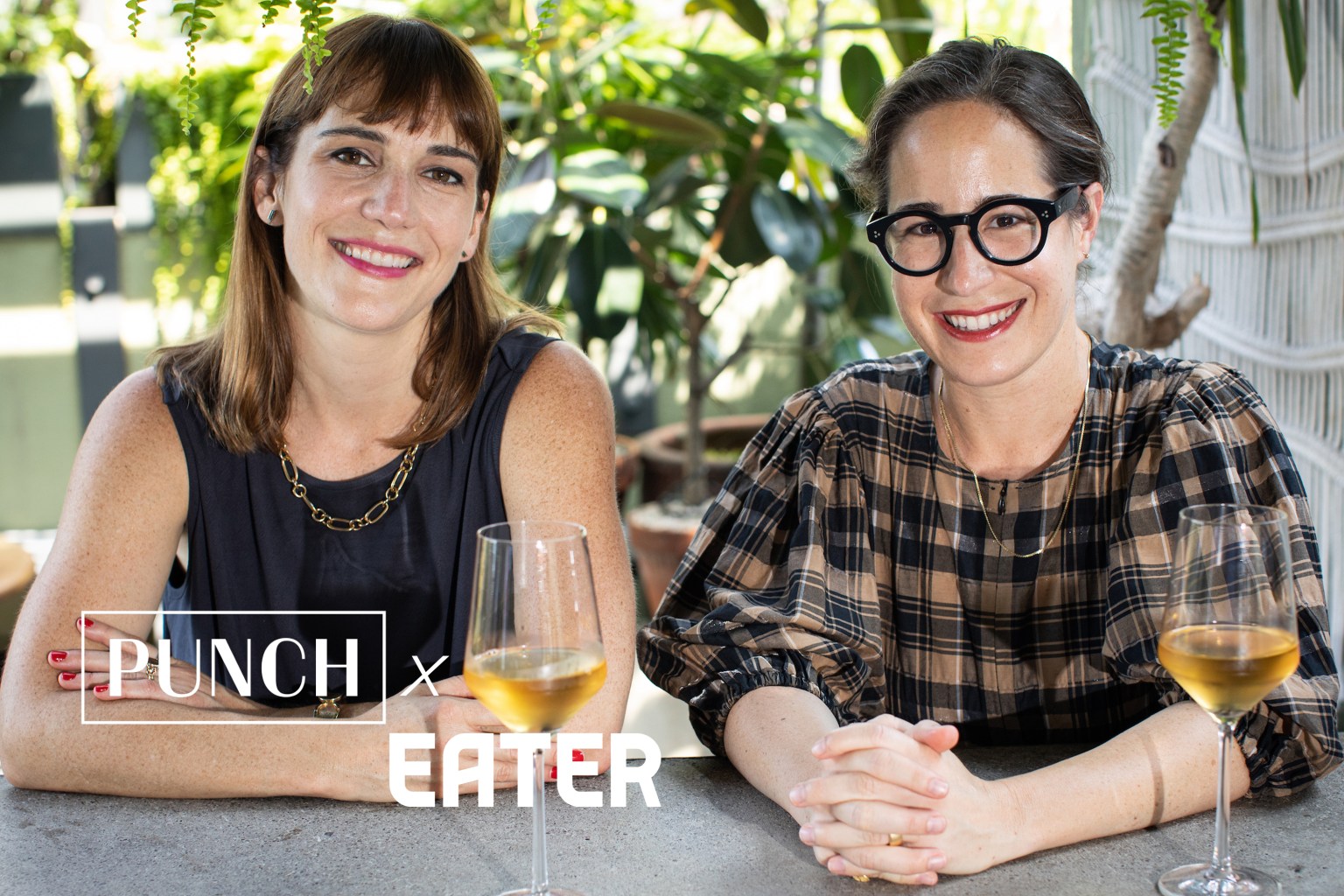
Vox Media acquires James Beard Award-winning Punch as part of food and restaurant network Eater
The online drinks magazine will remain an independent brand and companion to Eater
Eric Karp Joins Vox Media as SVP, Brand Licensing
Karp will build and execute the modern media company’s brand licensing strategy across its multiple lines of business and networks.

The Verge to Celebrate 10-Year Anniversary With Its First Major Live Event—On The Verge
Today, The Verge announced its first major live event — On The Verge — in celebration of its 10-year anniversary and a chance to discover what’s coming next. From Friday, October 22 to Saturday, October 23, guests will enjoy exhibits, explorations, special guests, and so much more, at an event dreamed up with a future-forward lens and inspired by classic world’s fairs. Taking place in New York City at Spring Studios, On The Verge will look ahead at what’s to come through digital art, interactive experiences, product demos, main stage talks, and a major opening night party. “On The Verge isn’t just a party — it’s our extremely strange future, coming to life,” said Nilay Patel, editor-in-chief of The Verge. Verge fans attending the event will hear from the next generation of creators and the people who are building the future of culture. Special musical guests include rapper, producer, and songwriter Ricky Desktop, whose beats played in more than 20 million TikTok videos in the year 2020. Guest speakers at the event include Paul Davison and Maya Watson, CEO and Head of Marketing for Clubhouse; Kishonna Gray, PhD, author and professor; and Metakovan, financier of Metapurse, the world’s largest NFT fund. Additionally, Verge writers and editors including editor-in-chief Nilay Patel, executive editor Dieter Bohn, senior reporter Ashley Carman, deputy editor Liz Lopatto, and contributing editor Casey Newton will be moderating talks and mingling with guests. Tickets cost between $199, for those purchased before August 23, to $349 for VIP access. More details will be announced in the coming weeks. Sign up to stay updated here. Note: COVID is still here, and the health and safety of everyone at the event will be The Verge’s first priority. Everyone attending the event will be required to follow masking protocols and provide confidential

Waveform: The MKBHD Podcast Joins Vox Media Podcast Network
Waveform’s September 3 episode will be the first under the partnership
Longform Podcast Joins Vox
At Vox, the long-running podcast will continue interviewing A-list guests at the pinnacle of their careers, expanding its focus into non-fiction mediums beyond writing – podcasting and documentary film in particular.
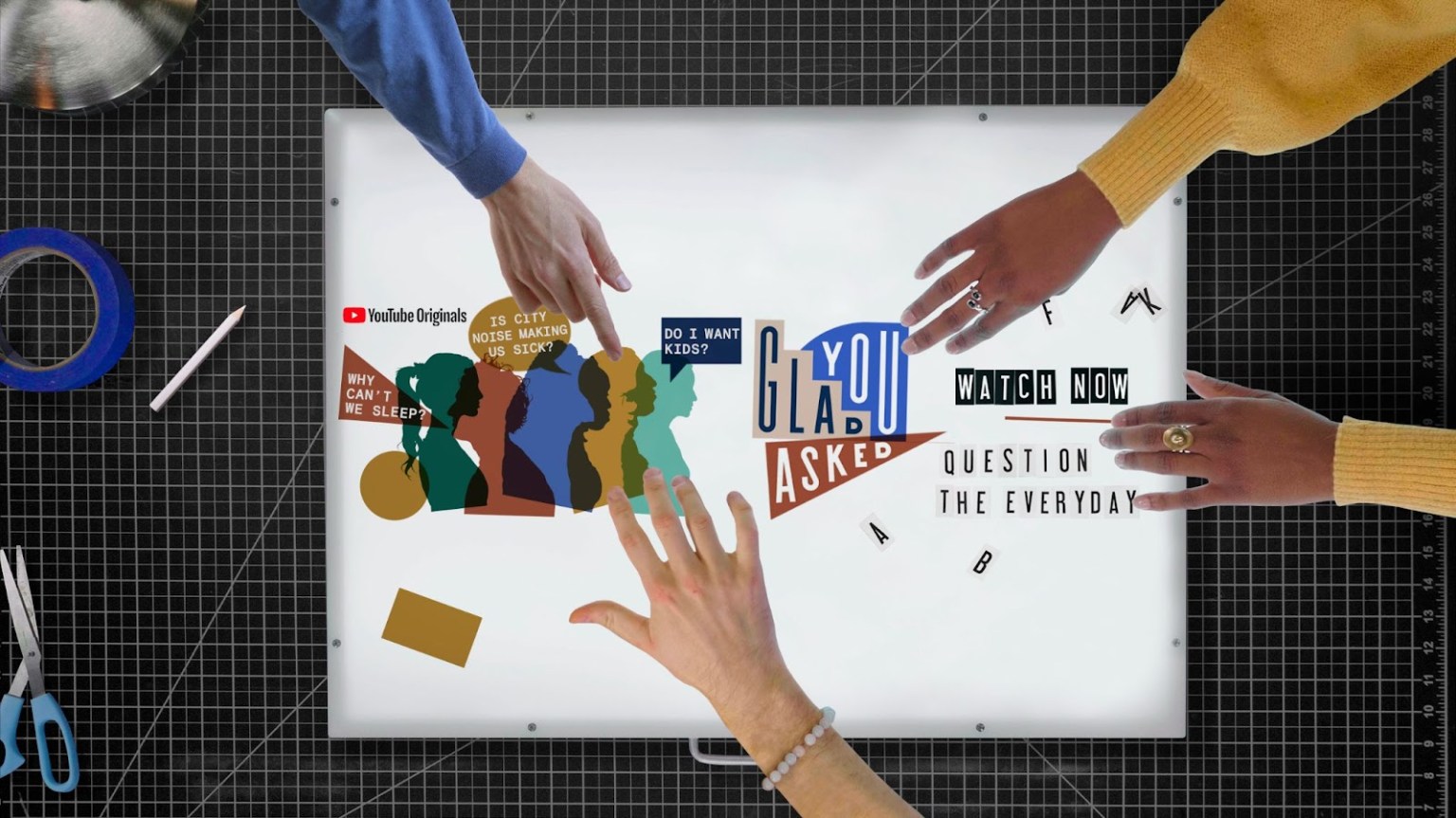
Vox and Vox Media Studios’ Emmy-Nominated Series “Glad You Asked” Returns to YouTube with Five New Episodes
Episodes Exploring Compelling Questions from “Do I want kids?” to “Is city noise making us sick?”

Insights & Innovation: In a post-pandemic world, video games connect everyone
Time spent on video games has increased in the past year by 14% to an average of eight-and-a-half hours per week, according to the State of Online Gaming 2021, a report commissioned by Limelight Networks, Inc. That’s no surprise, given the impact of the pandemic and our months of isolation. Even before lockdown, the world of gaming was expanding, meeting our needs for connection, competition, and mental stimulation. But while we were stuck at home, gaming didn’t just help us pass the time — it helped us build and maintain relationships and an authentic sense of community. Now, as we begin our transition back to normal life, these connections will continue to grow stronger — not just through our screens, but as real, meaningful parts of our everyday lives. As the pandemic made clear, gaming is no longer just a form of entertainment. Over the past decade, Polygon has grown with its passionate audience of gamers, and is now ready to help shift the broader conversation around how we connect with gaming and entertainment culture. Vox Media and DB5 teamed up to uncover some impactful research, including: GAMING: MUCH MORE THAN ESCAPISM GAMING: MULTI-GENERATIONAL APPEAL GAMING: AN INFLUENTIAL GATEWAY TO MEDIA AND CULTURE GAMING: PART OF OUR POST-PANDEMIC WORLD POLYGON: POISED TO GROW WITH GAMING Most people who love gaming have other passions: 54% of respondents said they also watch TV and movies; 49% listen to music; 40% exercise; and 33% spend time with family or friends. Gaming is a unique hobby in that it can combine all of the above into one activity. For the most passionate, gaming isn’t just a hobby — it’s a major part of their identity and helps shape how they view the world. This sense of purpose inspires more than half of gamers to

Gastropod Forms Long-Term Partnership with Eater and the Vox Media Podcast Network
Gastropod’s August 3 episode will be the first under the partnership.
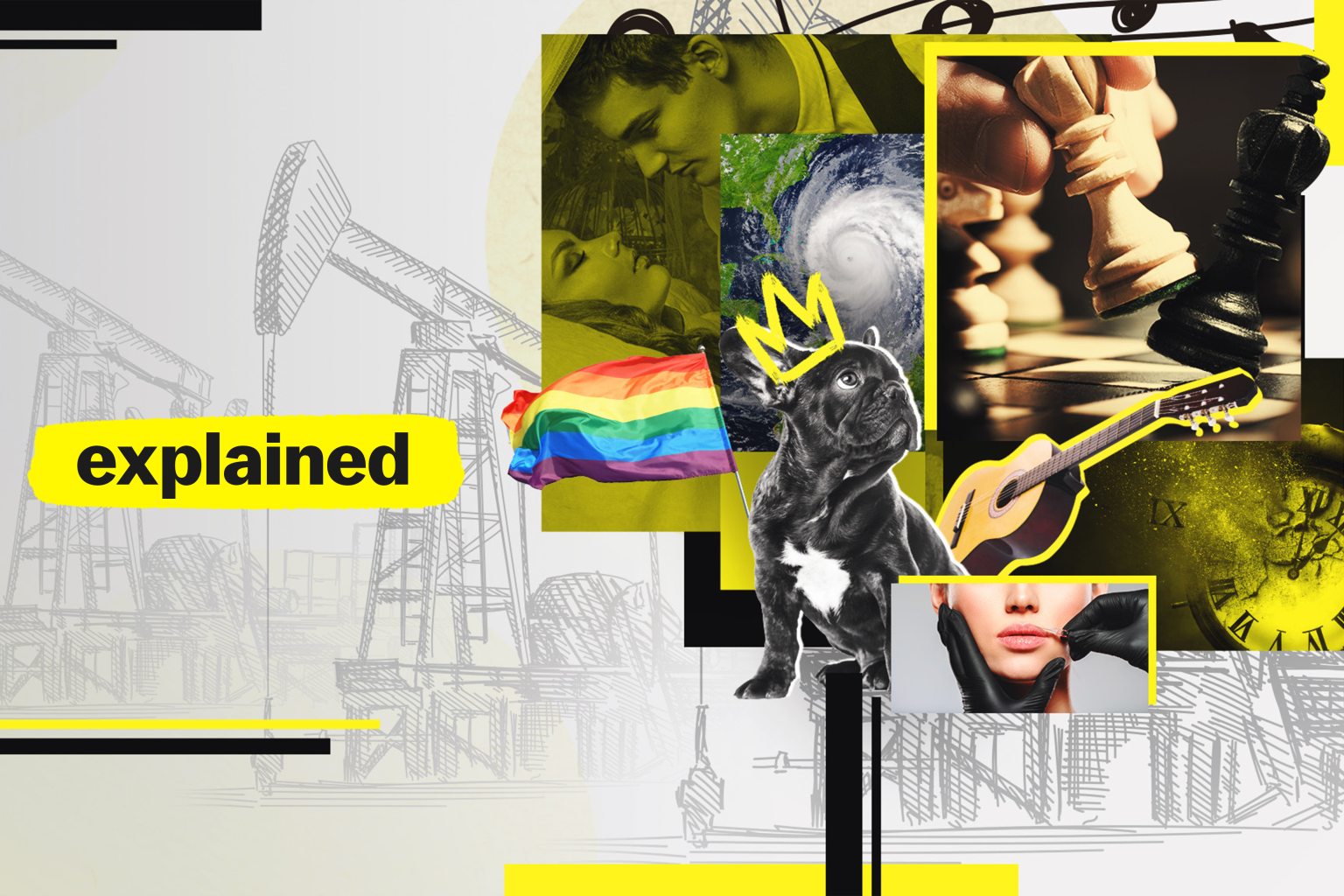
Third Season of Vox and Vox Media Studios “Explained” Premieres Today on Netflix
Award-Winning Franchise Will Debut New Episodes Every Friday

Vox Media announces second annual Fellowship Program
With a new cohort in Fall 2021, the program brings emerging voices from underrepresented communities to Vox Media’s editorial networks and businesses, including Vox and New York Magazine
Insights & Innovation | Unpacking environmental sustainability: How brands can take real action on climate change
“Environmentally sustainable” has become one of marketing’s most buzz-worthy phrases. Vox Media IQ, our research-driven playbook for brands, and our Insights & Innovation team set out to explore this theme because, although the subject of sustainability is receiving much-needed attention, it’s crucial that marketers understand the desire for true action and accountability. Past research showed Vox Media’s audience is three times more likely to care about social causes compared to the general population, so we crafted a study to understand how they define environmental sustainability — and how their daily lives, actions, and thoughts are shaped by it. In this piece, we’ll reveal which aspects of environmental sustainability matter most to our audience, how brands can make the biggest impact, and the different ways our audience is willing to take action. SUMMARY OF FINDINGS The Vox Media audience recognizes that individuals can’t win the fight against climate change without support from the government and private companies. However, our audience is passionate about playing their role in protecting the environment and hungry to learn more about how industries and corporations are joining the fight. Our audience believes that environmental sustainability is most deeply tied to taking actions that protect the environment: preserving natural resources, limiting fossil fuel use, and limiting carbon footprint. They expect brands to limit the use of environmentally harmful practices, as opposed to relying on eco-conscious alternatives such as recycling, organic food and multi-use products. 84% of respondents believe the government is ultimately responsible for addressing environmental sustainability; however, corporations (75%) and individuals (31%) have roles to play, particularly in the area of reducing waste. They don’t want brands to simply support environmental sustainability, they want them to take action to be environmentally sustainable. There’s a clear hierarchy of actions brands can take to be perceived as impactful
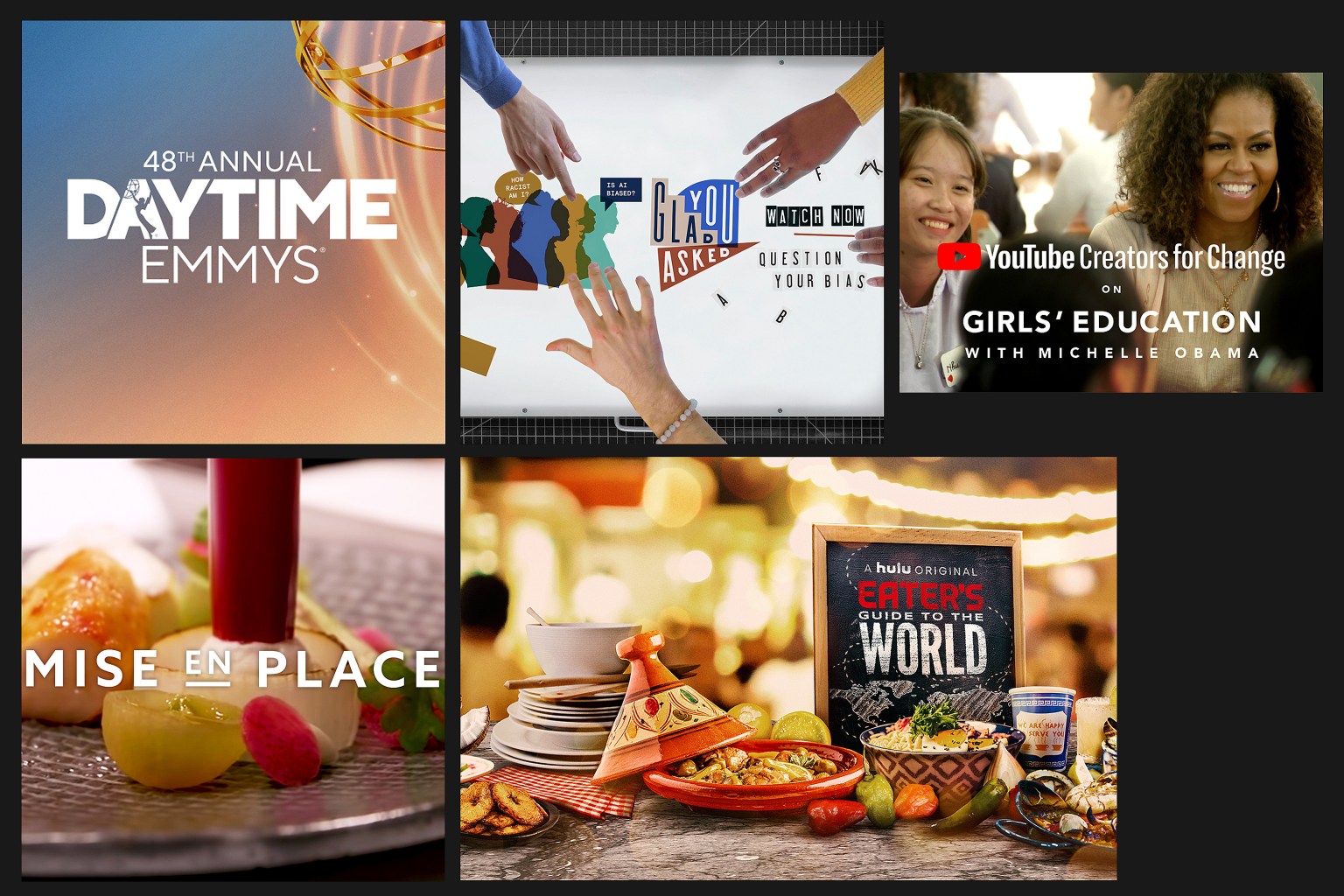
Vox Media secures win and five nominations at 2021 Daytime Emmy Awards
The award recognizes outstanding longform TV, OTT and video from Vox Media Studios, Eater, and Vox

The MMA Hour with Ariel Helwani Returns to SB Nation’s MMA Fighting
Helwani’s hit franchise launches this August on the Vox Media Podcast Network and MMA Fighting’s YouTube channel

Headspace and Vox Media Studios’ Interactive Special Unwind Your Mind Premieres Today on Netflix
‘Unwind Your Mind’ is the third installment from Headspace and Vox Media Studios following Headspace Guide to Meditation and Headspace Guide to Sleep now streaming on Netflix
Recode’s Land of the Giants Podcast Launches “Delivery Wars” in Collaboration with Eater
Through original reporting and narrative storytelling, the new series will explore the food delivery industry, hosted by Ahmed Ali Akbar—subscribe here

“We need you in this field”
Takeaways from ‘Asian American Leaders in Media,’ a conversation hosted by the As|Am ERG

Vox Media unveils new suite of products as part of its first-party data platform, Forte
New offerings include brand suitability tool and capabilities for brands to leverage first-party data segments across dozens of local and national publishers via Concert
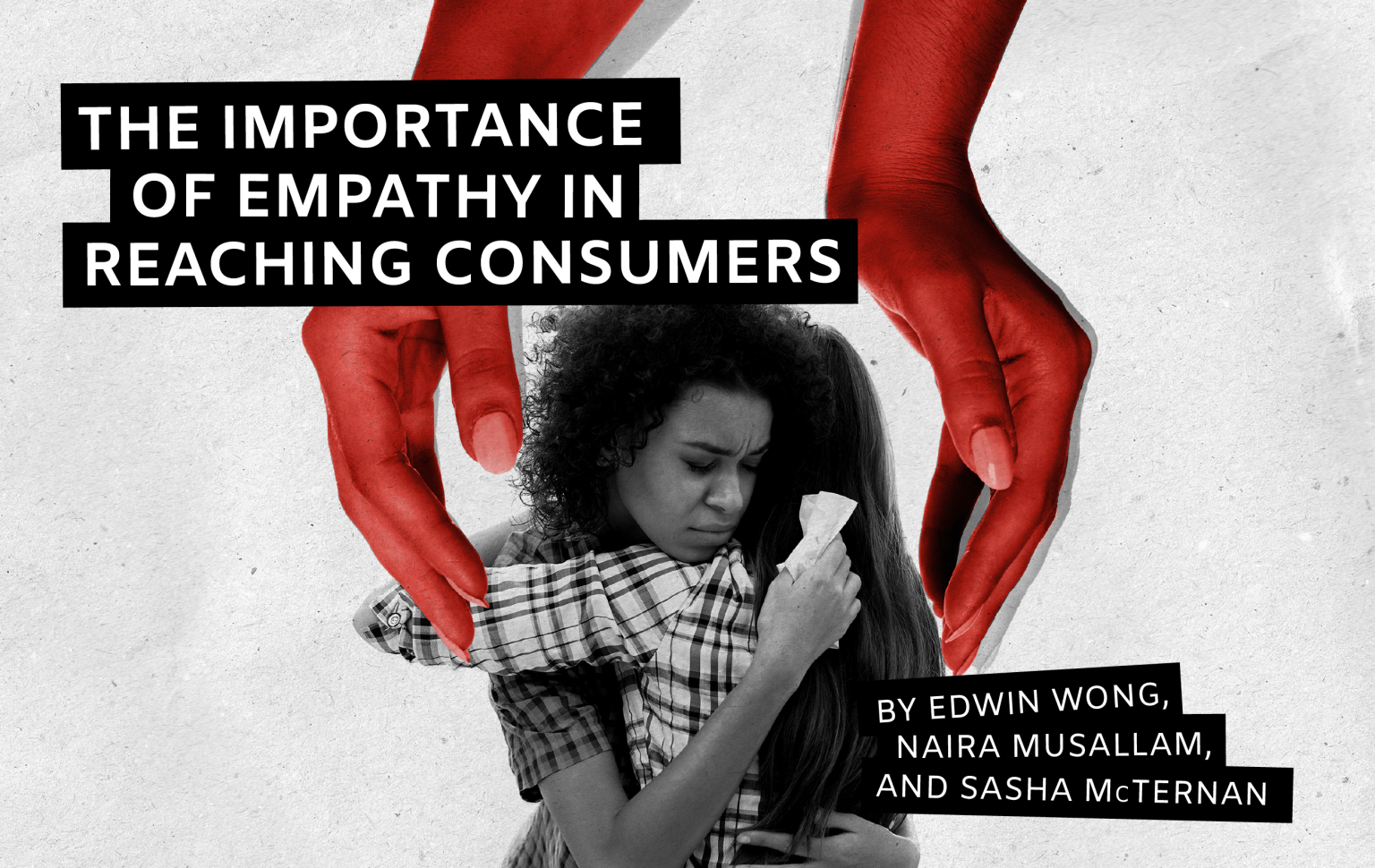
Insights & Innovation: The Importance of Empathy in Reaching Consumers
As we round the corner on the pandemic and continue to make progress toward solving the many challenges of the last 15 months, marketers will need to acknowledge the role empathy plays in the reopening. While there is strong hope about re-emergence, it’s important for marketers to understand that because of the pandemic we have all experienced collective loss that we will need to continue to cope with in order to create a more resilient society. Brands need to understand consumers’ path to a post-pandemic life, with acknowledgement of loss in their messaging in order to connect with consumers. Working with SightX & ATCS Insights, we surveyed ~2,500 people & studied social conversations and found that: As a society, we share a common bond through loss and coping, and only after understanding that can we speak to re-emergence A healthy understanding of coping can be used by brands and publishers to play a key role in rebuilding a healthier and more resilient society Understanding what consumers want from brands is critical for how to message and what to message RECOGNIZING LOSS & GAIN Many of us have spent years in marketing thinking about brand building, inspiration and aspiration. But as we discuss “what’s next” for marketing, today’s consumers are increasingly looking to brands for messaging that acknowledges our collective experience, including hardships, during the pandemic. With that knowledge, there is nothing more authentic and important than understanding the consumer through the lens of loss, coping and resilience. Adam Grant wrote a salient article about how we all feel like we are “languishing,” and the belief that if you don’t understand what someone has lost, you can’t inspire them to re-emerge feeling better. In our work, we found that the vast majority of consumers, three-quarters, stated that this year brought some

Concert turns five
AJ Frucci, Head of Concert reflects five years after Concert’s launch on why he remains optimistic about building a healthier digital ecosystem for brands, publishers and users
A note from the DE&I team: Chris Clermont, Vox Media’s Head of Diversity, Equity & Inclusion, looks back at Summer 2020
A personal and professional reflection on sustained actions to support Black employees

Vox Media names Jennifer Cullem as Head of Product
Cullem brings 20 years of product experience in ecommerce, education, advertising and media from roles at Spotify, Bitly, and R/GA