
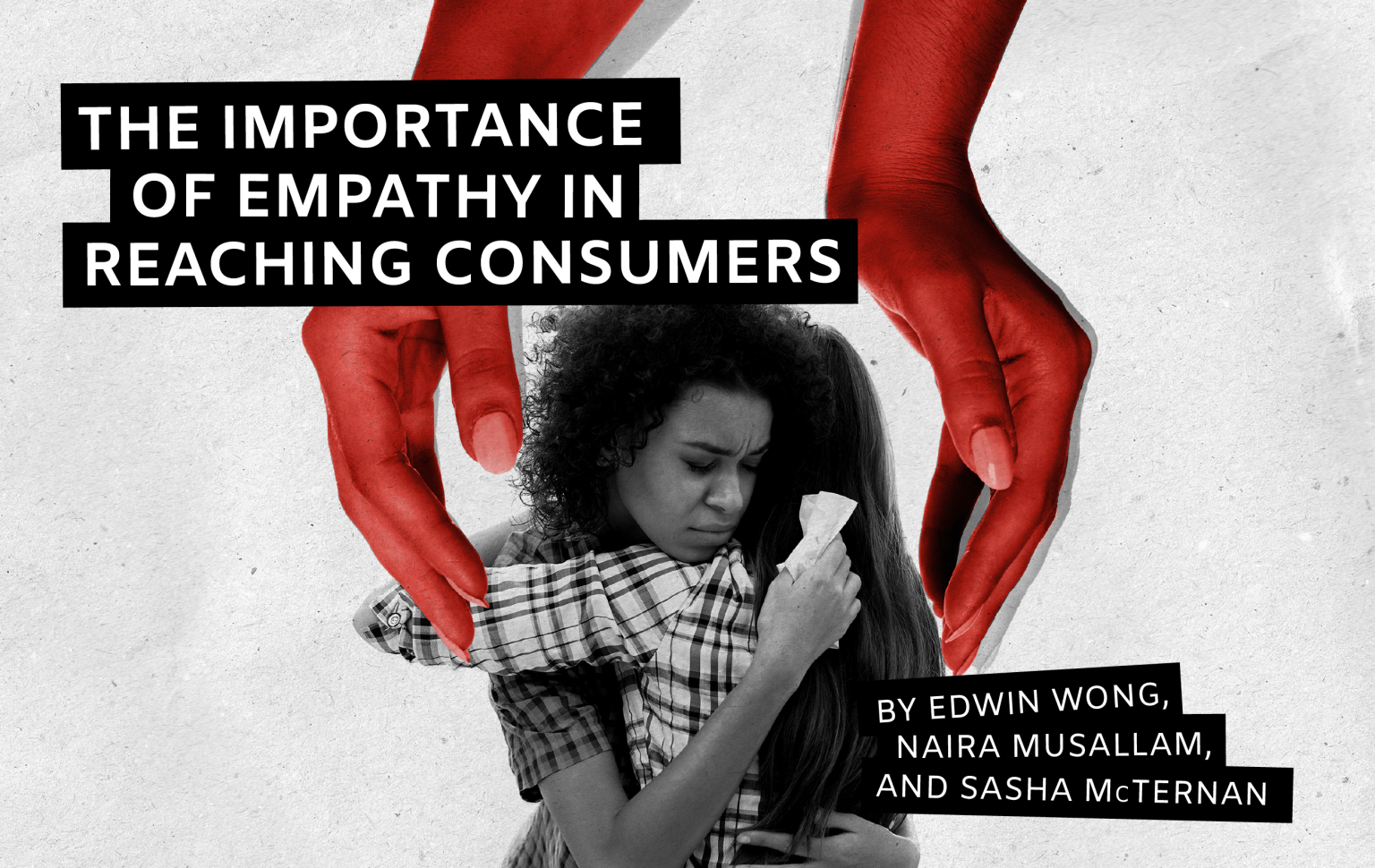
Insights & Innovation: The Importance of Empathy in Reaching Consumers
As we round the corner on the pandemic and continue to make progress toward solving the many challenges of the last 15 months, marketers will need to acknowledge the role empathy plays in the reopening. While there is strong hope about re-emergence, it’s important for marketers to understand that because of the pandemic we have all experienced collective loss that we will need to continue to cope with in order to create a more resilient society. Brands need to understand consumers’ path to a post-pandemic life, with acknowledgement of loss in their messaging in order to connect with consumers. Working with SightX & ATCS Insights, we surveyed ~2,500 people & studied social conversations and found that: As a society, we share a common bond through loss and coping, and only after understanding that can we speak to re-emergence A healthy understanding of coping can be used by brands and publishers to play a key role in rebuilding a healthier and more resilient society Understanding what consumers want from brands is critical for how to message and what to message RECOGNIZING LOSS & GAIN Many of us have spent years in marketing thinking about brand building, inspiration and aspiration. But as we discuss “what’s next” for marketing, today’s consumers are increasingly looking to brands for messaging that acknowledges our collective experience, including hardships, during the pandemic. With that knowledge, there is nothing more authentic and important than understanding the consumer through the lens of loss, coping and resilience. Adam Grant wrote a salient article about how we all feel like we are “languishing,” and the belief that if you don’t understand what someone has lost, you can’t inspire them to re-emerge feeling better. In our work, we found that the vast majority of consumers, three-quarters, stated that this year brought some
Concert turns five
AJ Frucci, Head of Concert reflects five years after Concert’s launch on why he remains optimistic about building a healthier digital ecosystem for brands, publishers and users

A note from the DE&I team: Chris Clermont, Vox Media’s Head of Diversity, Equity & Inclusion, looks back at Summer 2020
A personal and professional reflection on sustained actions to support Black employees

Vox Media names Jennifer Cullem as Head of Product
Cullem brings 20 years of product experience in ecommerce, education, advertising and media from roles at Spotify, Bitly, and R/GA
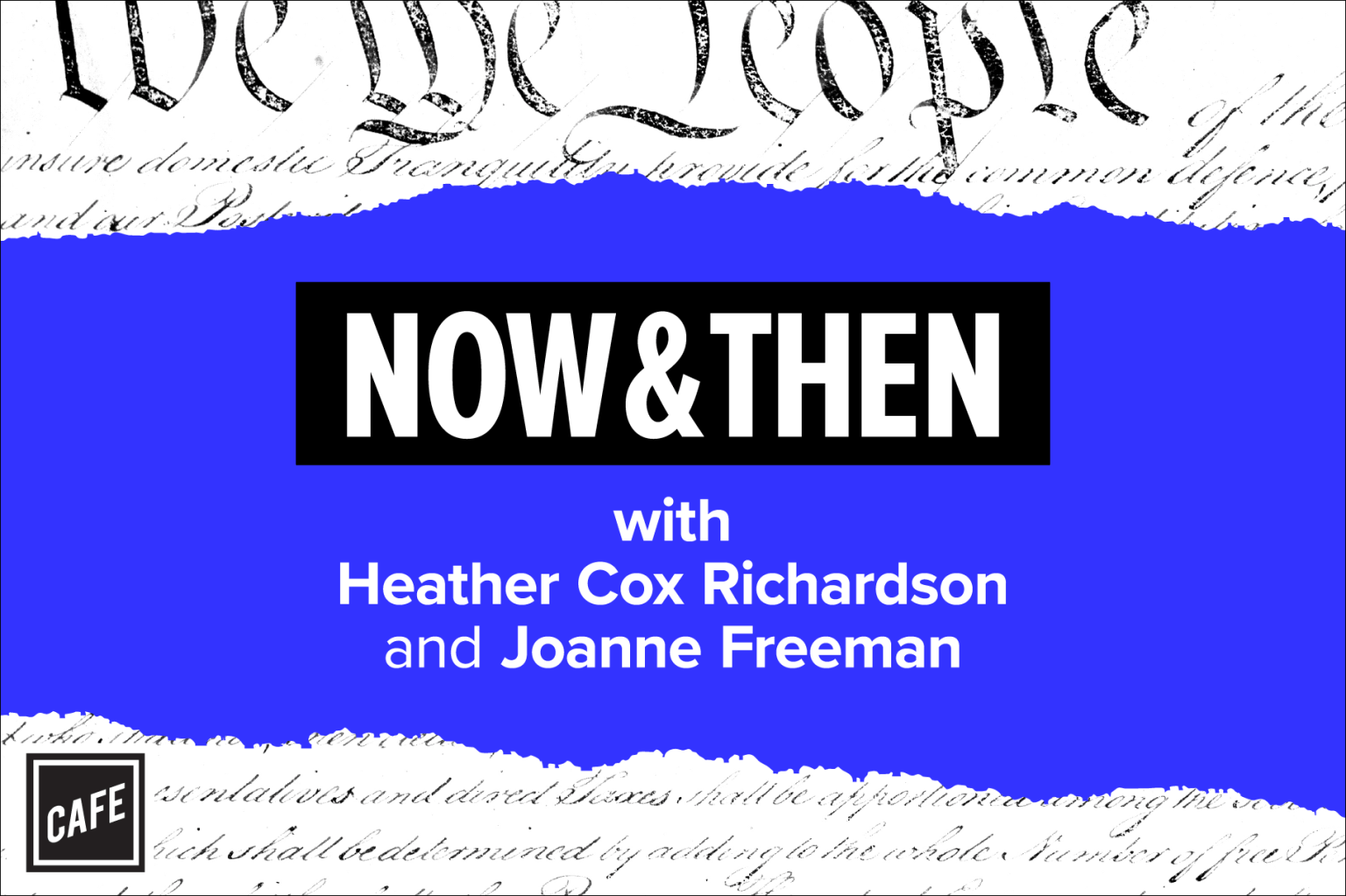
Vox Media Podcast Network and Cafe Launch New Weekly Podcast With Historians Heather Cox Richardson and Joanne Freeman
Every Tuesday, two of the country’s most incisive interpreters and chroniclers of the American story will make sense of the week in news and politics by looking back at historical parallels.
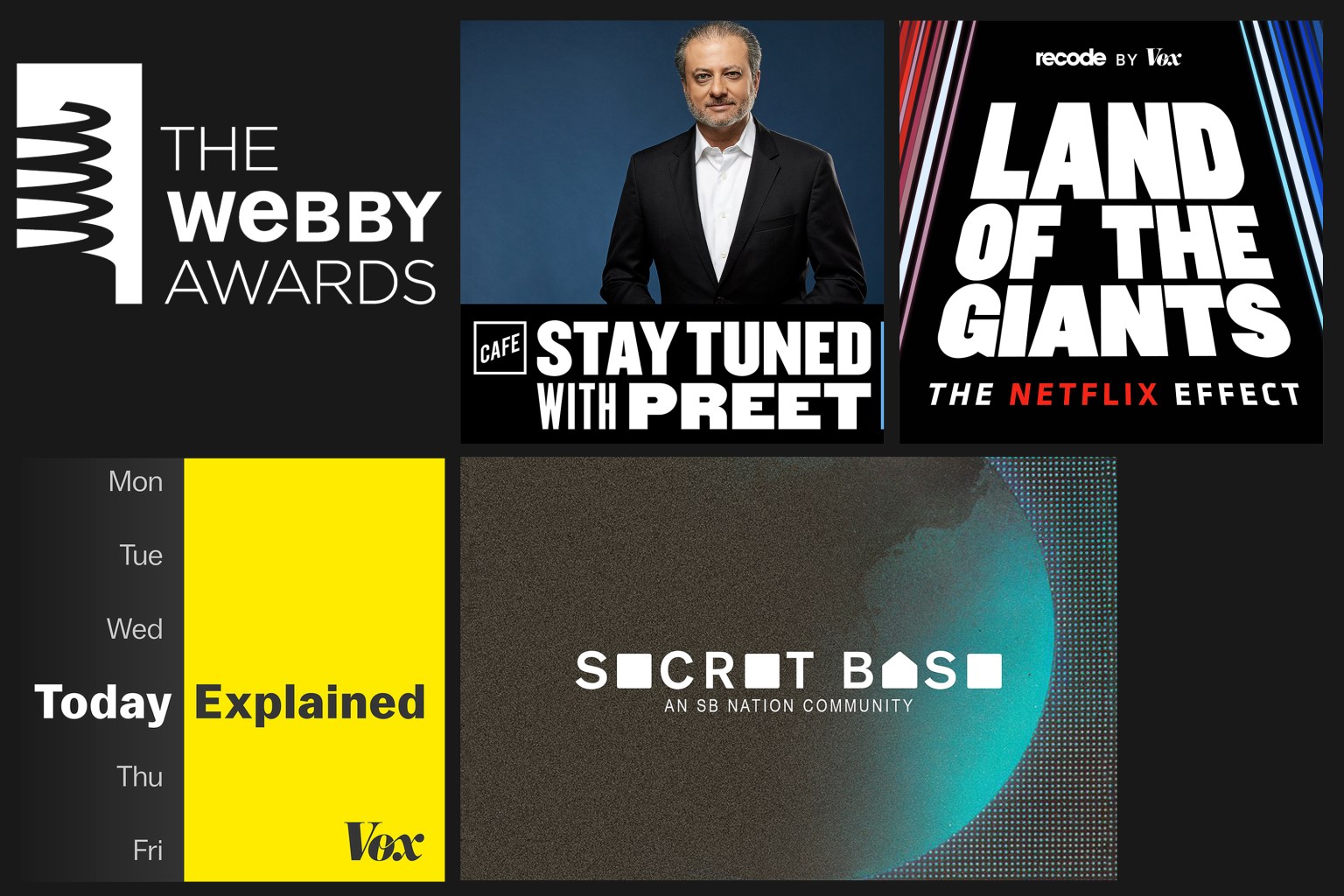
Vox Media Wins at the 2021 Webbys Awards
Today, Explained was named best news show by both the Webbys and Ambies
Insights & Innovation: Understanding consumer mindsets around the return of gatherings
In our last study, we talked about how the post-pandemic recovery process will kick off with celebrations, dinners, and hugs with our friends and family. We couldn’t agree more and decided to look into the return of gatherings. To do this, Vox Media worked with Bastion db5 to survey ~1,000 people to understand mindsets around socializing during the summer of 2021. Gatherings will return in a big way, and most want to host. Get-togethers are about meaningful connections. Hosting will be a logistical challenge that requires a bit of instruction, stress relief, and levity. Post-pandemic parties will have some practical constraints. The cognitive dissonance of gatherings is a brand opportunity. PARTIES AND GATHERINGS ARE BACK Meeting up with family/friends in person came in as the #1 choice for “what I am looking forward to most,” even higher than travel, live events, and dining out. In 2021: These gatherings are likely going to take place in our homes, with 82% willing to host, and 61% open to an indoor hybrid party. Whereas pre-COVID people may have been excited about the superficial elements of parties (Pinterest-inspired decorations and recipes), human interaction is the main motivator for gatherings in 2021 (48% listed it as the top motivator). When asked for the top three reasons hosting was important to them, respondents cited connecting with people they don’t see day to day (31%), celebrating an important occasion (30%), and creating new and lasting memories (29%). Conversely, 18% wanted to try new food/drinks while 17% said they love the details of party planning. WHEN WE SAY EXCLUSIVE, WE MEAN IT Hosts are eschewing “polite invites” with ~70% inviting friends and family, and fewer people open to inviting coworkers (21%) and neighbors (29%). And no crashers: about 2/3 of hosts say they are ready to turn away
Vox Media Podcast Network presents at the 2021 IAB Podcast Upfront
The network announced New York will be launching its first serialized investigative podcast, drawing on the magazine’s history of richly reported features
Vox and Vox Media Studios’ “Explained” Returns to Netflix with “Money, Explained”
Limited Series Premieres Today on Netflix

Vox’s Missing Chapter Returns for Season Two
The award-winning video series from Vox premieres today on Vox’s YouTube Channel
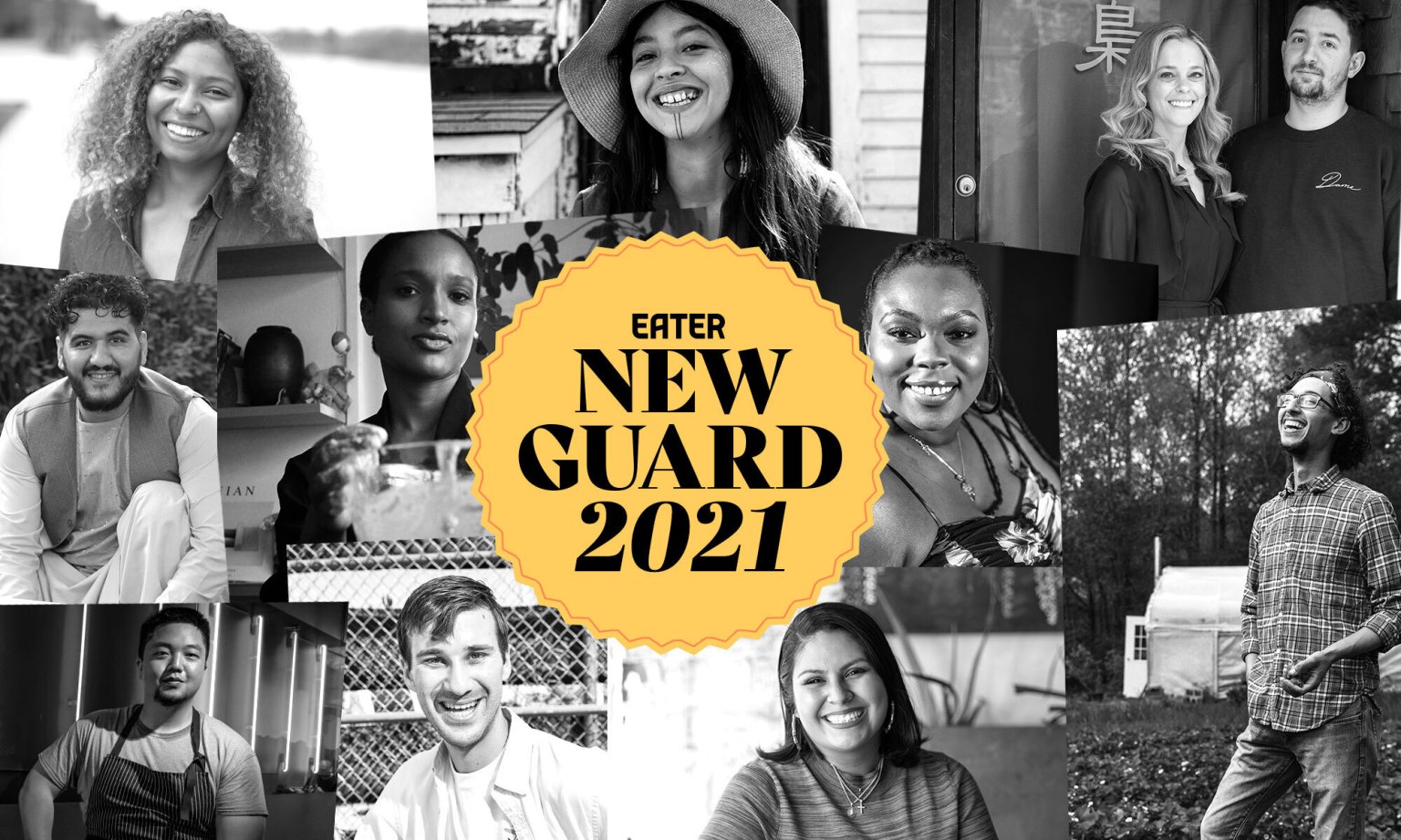
Eater Announces Inaugural Eater New Guard Winners
Eater’s New Guard award celebrates inspiring changemakers in the food industry

Announcing the Vox Media Writers Workshop
A no-cost training and mentorship program designed to elevate the writing and reporting of a new generation of journalists

Headspace Guide to Sleep Premieres Today
Headspace Guide to Sleep is the second series with Headspace and Vox Media Studios, including Headspace Guide to Meditation – now streaming – and an upcoming interactive experience

Vox Media Announces Promotions Across Vox and Vox Media Studios
Today, Vox Media announced promotions across Vox — Vox Media’s premier explanatory journalism organization — and Vox Media Studios as Vox expands its work across TV and premium streaming platforms, as well as its popular YouTube channel. Vox: Emily Anderson becomes Vice President, Vox Video and TV: In addition to managing television and longform projects for Vox, Anderson will expand her scope to include Vox’s YouTube channel and OTT efforts. Mona Lalwani becomes Editorial Director and Executive Producer, Vox Video and TV: Lalwani will continue to oversee YouTube programming and work across projects developed for TV and streaming platforms, instilling Vox editorial and journalistic values in projects. Joe Posner becomes Vice President, Creative Development, Vox Video and TV: Joe will continue to lead development of new television and streaming projects for Vox. Vox Media Studios: Marina Stadler becomes Head of Production, Vox TV: Focused exclusively on Vox’s programming, Marina will work on behalf of Vox Media Studios with the Vox team to translate the network’s distinct mission into workflows that deliver great content for streaming and TV partners. In addition to multiple projects in production for networks and streamers, this year’s programming includes the second season of the Emmy-nominated series Glad You Asked on YouTube Originals, Money, Explained, the seventh installment of the Explained franchise for Netflix, and the return of Missing Chapter, the award-winning video series that addresses historical trauma on Vox’s YouTube channel. About Vox: Vox explains the news. In a world of too much information and too little context, too much noise and too little insight—Vox’s journalists candidly shepherd audiences through politics and policy, business and pop culture, science, and everything else that matters, empowering its audience with the context they need to answer questions they didn’t know they had. Vox is home to influential verticals including

Polygon and the Vox Media Podcast Network launch Galaxy Brains—a new podcast where movies, TV, and overthinking collide
Hosted by Dave Schilling and Jonah Ray, the show debuts today with new episodes publishing every Thursday
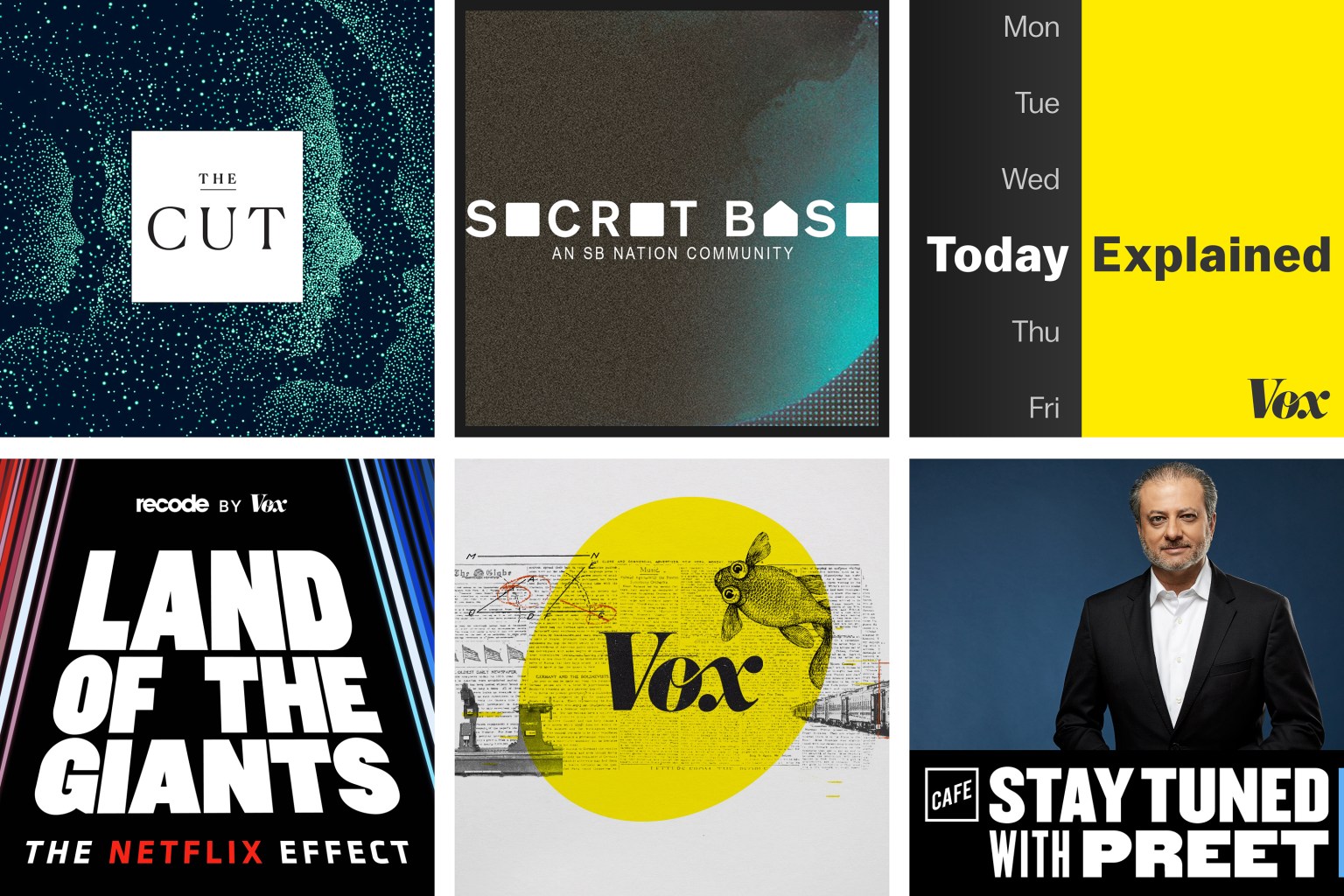
Vox Media podcasts and videos earn 11 Webby Award nominations
Vote for your favorites today!
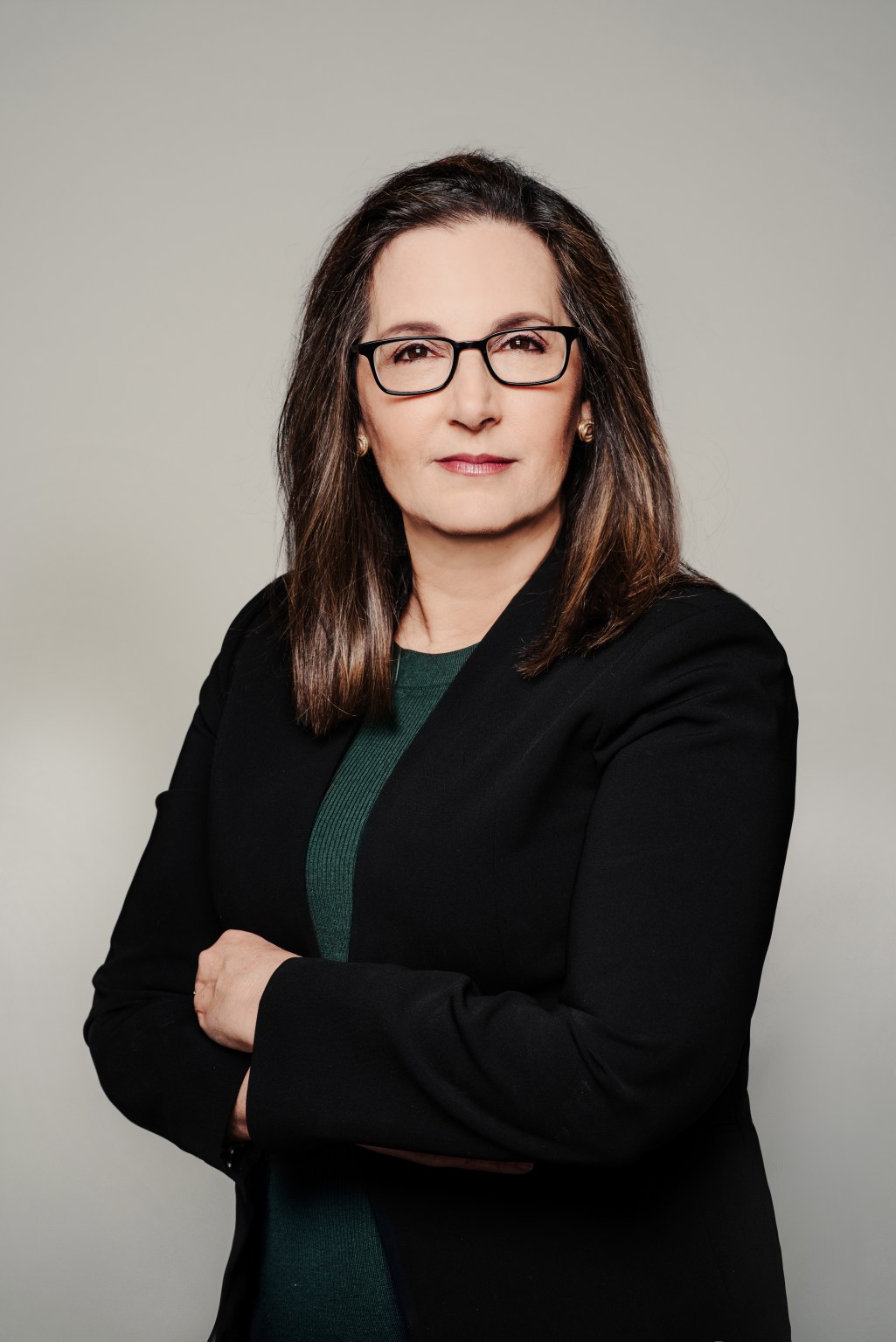
Joyce Vance Named Co-Host for the Cafe Insider Podcast
Vox Media and Cafe announced today that Joyce Vance, Distinguished Professor of the Practice of Law at the University of Alabama School of Law and former U.S. Attorney for the Northern District of Alabama, will be joining the Cafe Insider podcast as co-host with Preet Bharara, beginning Tuesday, April 20, to break down the latest politically charged legal issues facing the nation. Cafe Insider is the weekly podcast included as part of Cafe’s membership program, which offers bonus material from Stay Tuned with Preet, audio notes from contributors, a weekly newsletter featuring a note from Preet, and more. “I am overjoyed to welcome my friend and former colleague Joyce Vance to be my co-host on the Cafe Insider podcast,” said Cafe co-founder, former U.S. Attorney for the Southern District of New York, and New York Times bestselling author Preet Bharara. “Joyce has been one of the clearest and smartest legal voices in the country, and I couldn’t imagine anyone better to fill Anne Milgram’s large shoes.” Vance, who has been a frequent guest on both on Stay Tuned with Preet Bharara and Insider and writes a regular column for Cafe Insider subscribers, “Note From Joyce,” will replace Anne Milgram, former New Jersey Attorney General, who was recently nominated by President Biden for Administrator of the Drug Enforcement Administration at the Department of Justice. “I’m looking forward to having time every week to think through important issues with Preet and share our views with listeners,” said Vance. “If we’ve learned anything from the last four years, it’s the importance of staying engaged on issues at the intersection of law and politics.” Vance was the U.S. Attorney for the Northern District of Alabama from August 2009 through January 2017. She was appointed by President Obama and unanimously confirmed by the Senate. Before
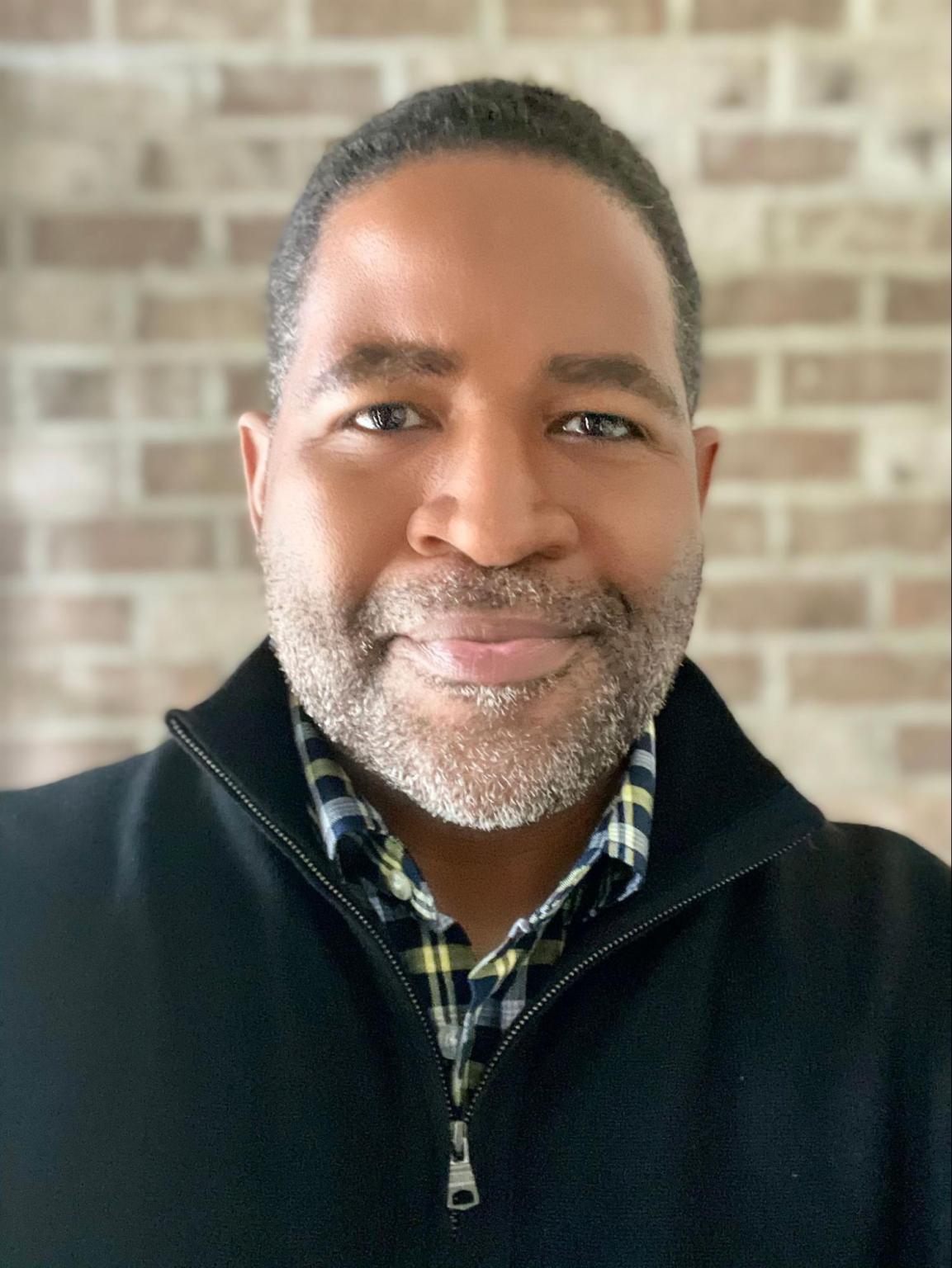
Jamil Smith to join Vox as Senior Correspondent
Vox vice president Allison Rockey announced today that Jamil Smith is joining the network as a Senior Correspondent. At Vox, he will interrogate the biggest problems society faces across politics, race, and culture and bring to light new solutions for creating a more just and equitable society. His work will stretch across the website and Vox’s podcasting slate, and he will partner with the Vox video team on programming for Vox’s YouTube channel as well as other streaming and TV projects. His new role begins April 19th. “We are always looking for journalists who can excel across writing, podcasting and video with talents such as Jamil’s,” Vox’s vice president, Allison Rockey says, “but to find all those skills, plus a genuine curiosity for how the world works and deep empathy for his subjects is rare. We are thrilled to be welcoming Jamil to Vox.” A native of Cleveland, Ohio, Jamil was most recently a Senior Writer with Rolling Stone, where he covered politics, social justice, and culture—including writing the magazine’s most recent cover story, a profile of actor John David Washington. “Jamil is a sharp, clear thinker who takes on the major issues plaguing our country and thinks through solutions. Above all, Jamil writes with moral authority and pushes all of us, and our society, to a higher standard,” says Vox’s editor in chief, Swati Sharma.Jamil’s career has run the gamut from politics to sports and back again—from Emmy Award-winning work as a producer with both NFL Films and MSNBC, to reporting and commentary for MTV News and The New Republic (where he also hosted the podcast “Intersection”). His work has been featured on the cover of Time, on the airwaves at WNYC and KCRW, and on the opinion pages of the New York Times, Los Angeles Times, Vanity Fair,

Emmy-Nominated ‘Retro Tech’ Returns for a Second Season on YouTube
Retro Tech Week Features New Episodes Premiering Every Day Through April 17 Only On Marques Brownlee’s Official YouTube Channel

Vox Announces Down to Earth
Down to Earth is year-long, grant-funded initiative that explores the science, politics, and economics of the global biodiversity crisis

Vox Media acquires Cafe Studios, Preet Bharara’s podcast-first media company
The deal accelerates growth at the Vox Media Podcast Network and expands Vox Media’s subscription offerings, events business, and expert voices on the law, policy, and business
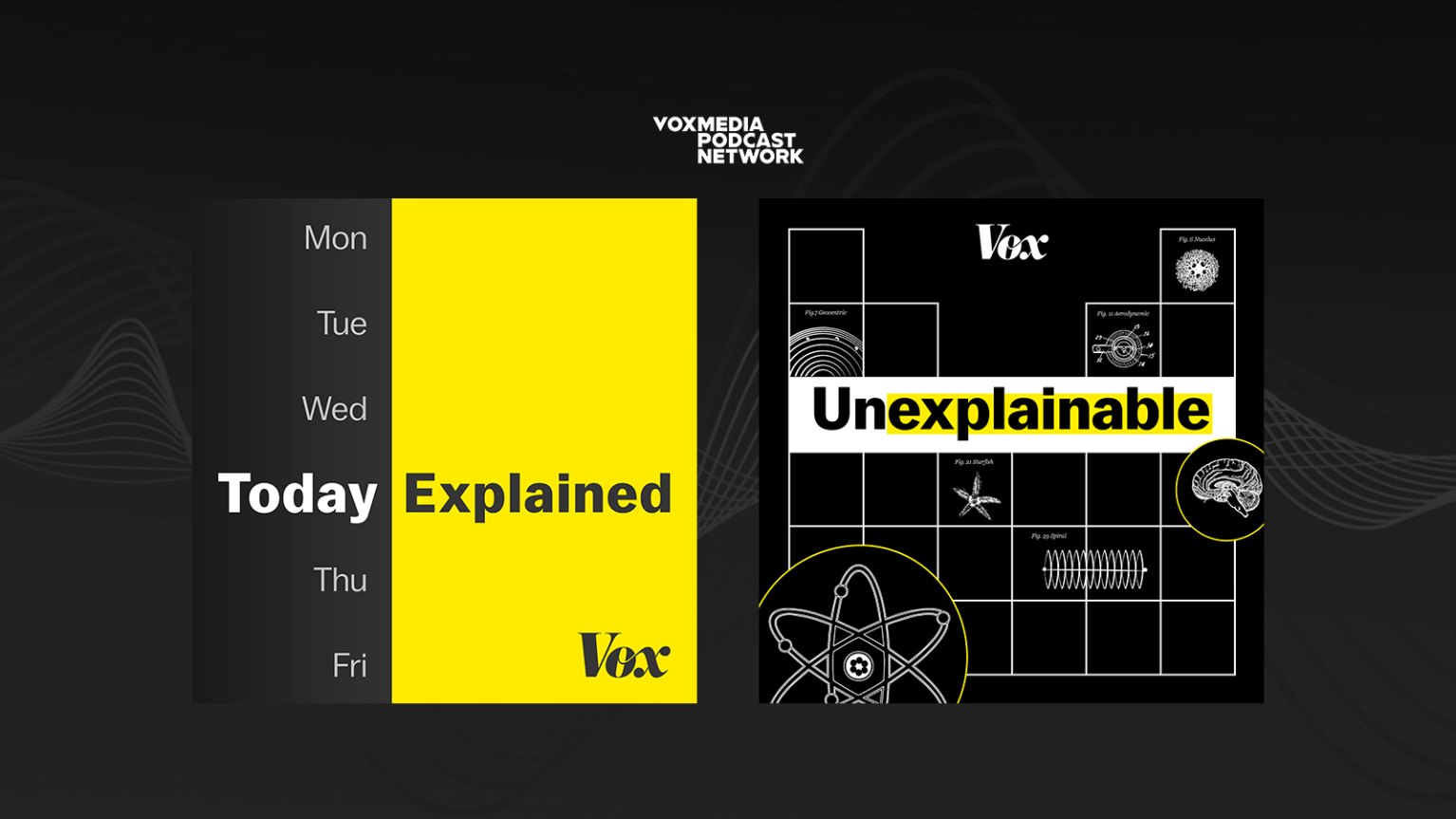
Vox’s Today, Explained podcast franchise continues to expand
Vox launched its daily news podcast, Today, Explained, in 2018. Since then, host Sean Rameswaram and team have been breaking down the biggest – and most impactful – news stories each day. This team brings curiosity and unmatched creativity to the daily news podcast category and the dramatic increase in audience in the last three years shows there’s a strong appetite for their approach. In March, Today, Explained debuted its first spin off show, Unexplainable, co-created by former Today, Explained senior producer Noam Hassenfeld, Future Perfect and The Impact reporter and producer Byrd Pinkerton, as well as Vox senior science reporter Brian Resnick. To support Today, Explained’s growth and ongoing expansion we’re thrilled to introduce five new members of the Vox Audio Team. Today, Explained welcomes two new producers who will help expand the scope and depth of the daily news explainer: Victoria Chamberlin joins Today, Explained from her most recent gig as a producer at WAMU’s Kojo Nnamdi Show. Prior to that, Victoria reported audio and digital stories for the Guns and America project and WAMU newsroom. Before becoming a journalist, Victoria served on active duty in the U.S. Army for eight years. Miles Bryan is a producer and reporter based in Philadelphia who, before joining Today Explained, had a long career in public radio, reporting for stations in Philadelphia, Chicago, and Laramie, Wyoming. And joining Unexplainable, the explainer science podcast about everything we don’t know: Senior Producer Meredith Hoddinott joins the team from ESPN where she produced the award-winning 30 for 30 podcast, including the episode “Back Pass,” about the world’s first women’s professional soccer league. She’s spent time at Al Jazeera, and OZY and has a degree in organic chemistry. Associate Producer Mandy Nguyen joins from NPR member station KQED, but her work has taken her around
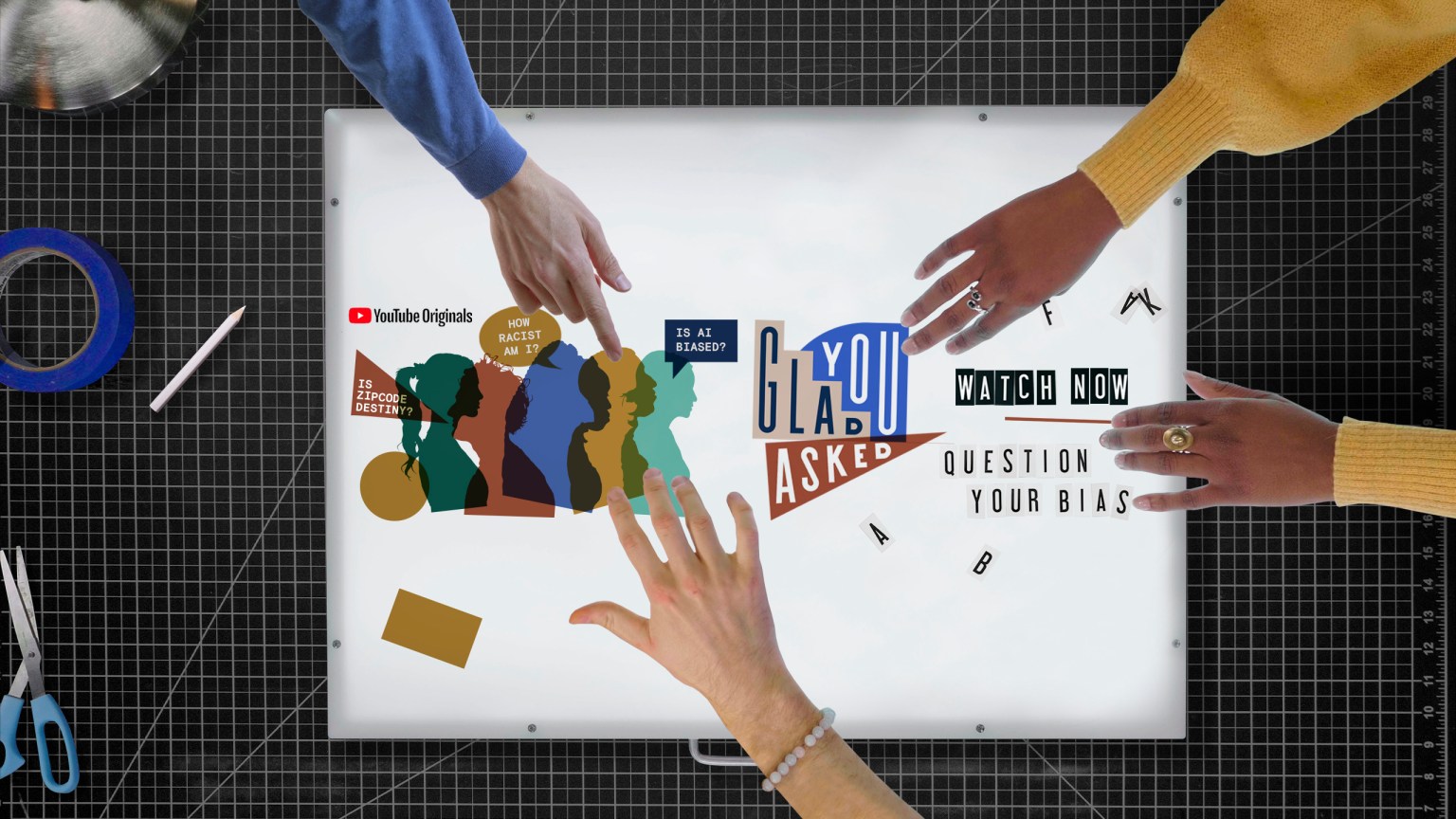
Vox and Vox Media Studios’ Glad You Asked returns to YouTube for second season
The Emmy nominated series from Vox and Vox Media Studios, with YouTube Originals, premieres today on Vox’s YouTube Channel
Insights & Innovation: Cautious Optimism: Understanding the post-pandemic mindset
One of my favorite quotes is “If you don’t know where you are, you don’t know where you are going.” After a year living within pandemic times, it’s important to understand our current mindset and the best ways to address consumers as we move toward a semblance of normalcy. To do this, Vox Media worked with the Circus, an insights and data storytelling consultancy, to survey 1,500 consumers to analyze how they are evaluating their post-pandemic life and its implications for marketers. This paper will highlight our key findings which include: Rather than pretend like nothing has changed as things gradually return to “normal,” brand messaging and products should recognize the hardship, present solutions to the negative impacts they have experienced, and guide consumers through the recovery process. Consumers who reported the highest level of satisfaction with their lives were those who were able to pivot their lifestyles and mindsets during the pandemic despite experiencing drastic changes. Consumers are approaching the reopening through the “post-pandemic prioritization funnel”: Personal > Local > Practical > Passion. THE CONSUMER MINDSET: A LOT OF WORK AHEAD The last 12 months have negatively affected a vast majority of people’s mental, physical, social, and emotional health. The hardest-hit audiences among those we surveyed were moms, those 40+, and those with a household income lower than $50K. Additionally, Latinx and Asian Americans reported feeling a more negative impact from the pandemic when compared to their white and Black counterparts.* When asked about the effect of the pandemic on various aspects of survey respondents’ well-being: Of those surveyed, 50% noted that their social well-being was negatively impacted. When evaluating consumers’ overall sentiment and what we might attribute to these negative changes in their overall health, particularly social, we see concerns around society, their community, and loved ones at