

Eater’s Guide to the World premieres on Hulu
Full season now streaming: The series explores some of the most satisfying culinary destinations around the world including the Pacific Northwest, Casablanca, Tijuana and Costa Rica
SB Nation Expands Leadership Team
The network welcomes Nyerr Parham, General Manager, and Bryan Graham, Senior Director of Audience & Engagement

Vox Media Podcast Network and The Verge Launch Decoder with Nilay Patel
The new podcast, a relaunch of Kara Swisher’s award-winning interview show, Recode Decode, debuts today.
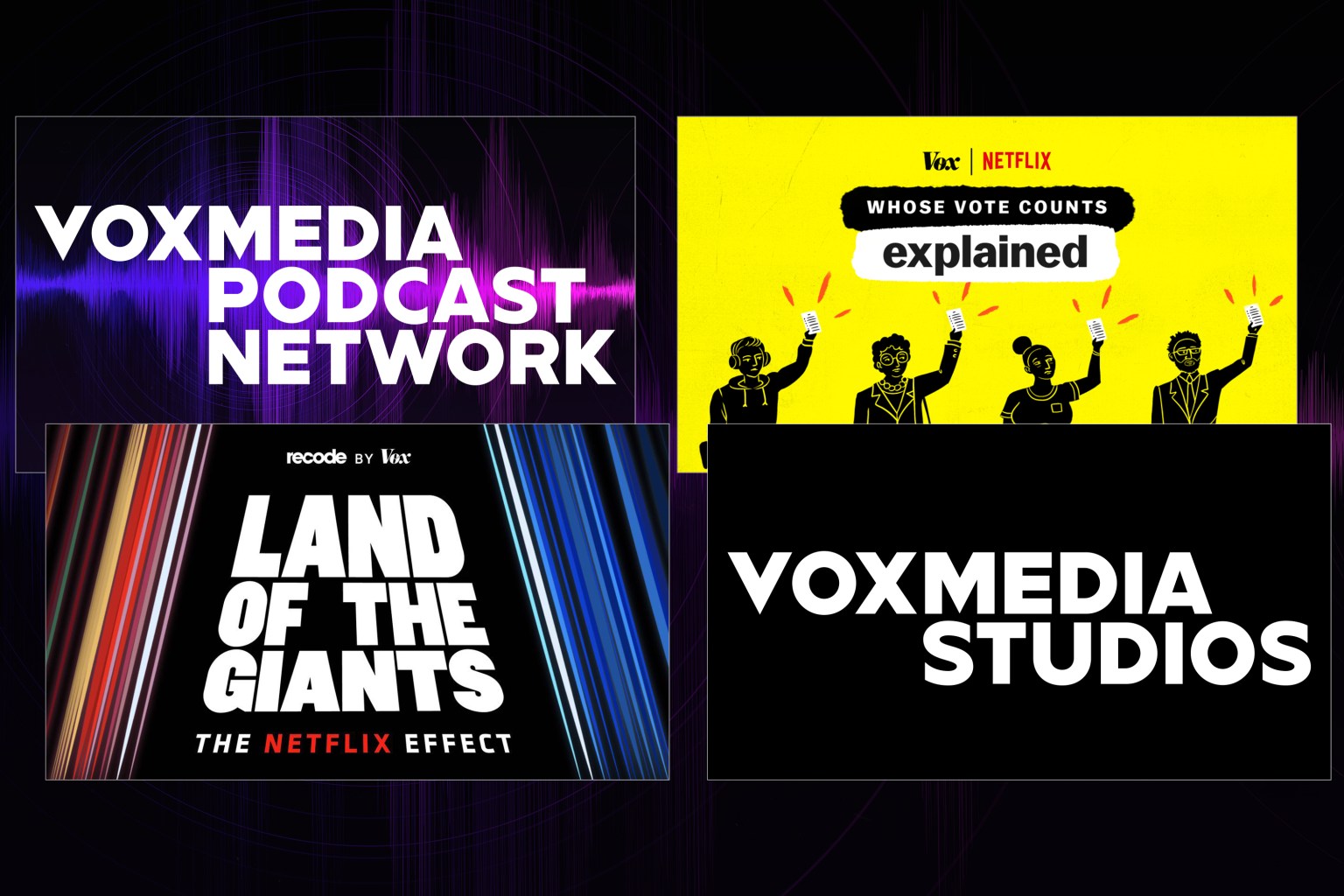
Vox Media Recognized in Series of Adweek Awards
Adweek Names the Vox Media Podcast Network “Podcast Network of the Year” and Recode’s Land of the Giants: The Netflix Effect “TV and Streaming Podcast of the Year;” Vox’s series “Explained” takes “Hottest Medium Expansion” in Adweek’s 2020 Hot List

Eater launches monthly subscription wine club
Eater city-editors will partner directly with locally beloved wine experts, offering subscribers unparalleled access to a diverse set of industry insiders across the country
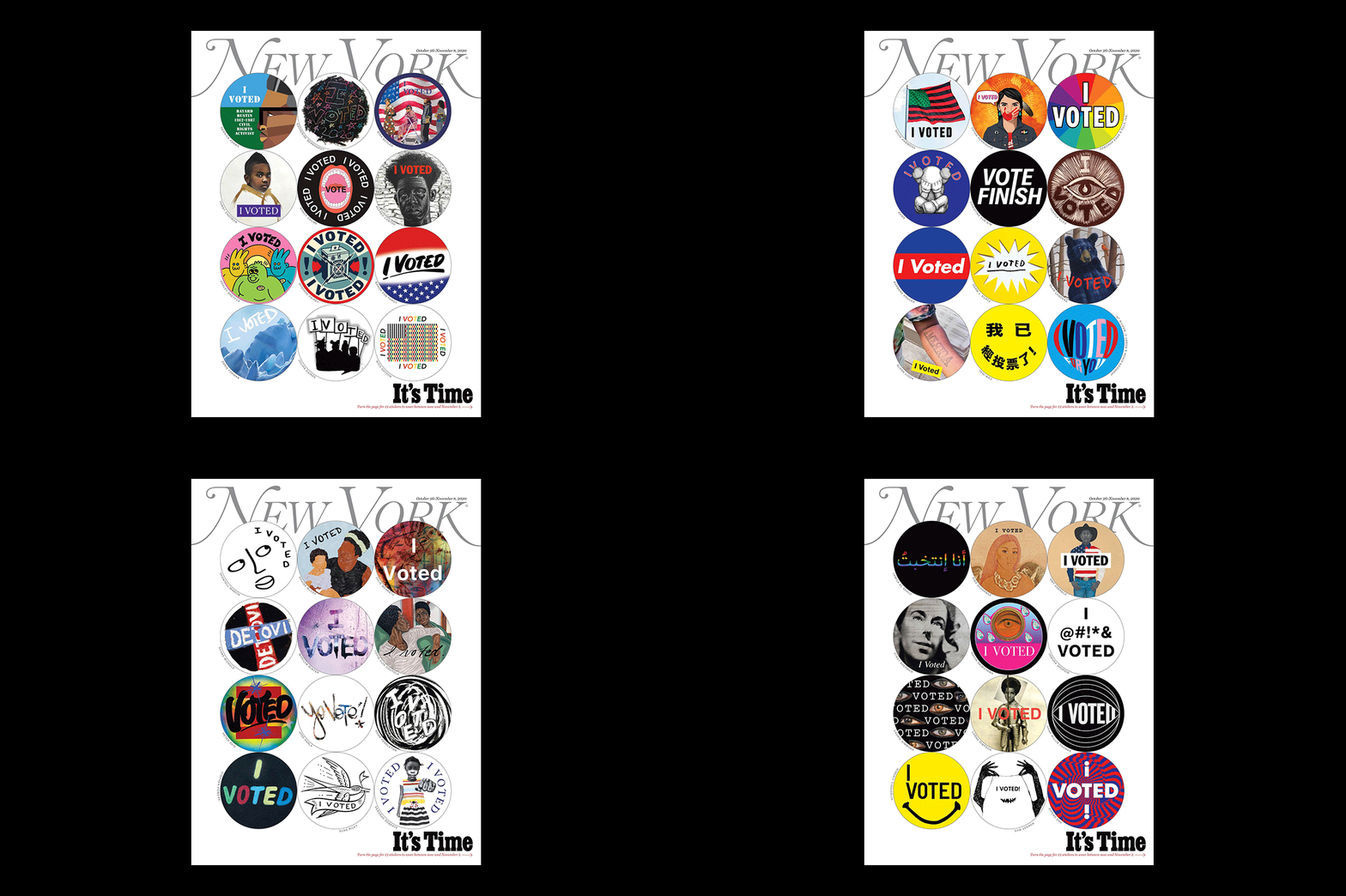
48 Artists Reimagine the ‘I Voted’ Sticker for New York Magazine
In collaboration with the nonpartisan voting organization I Am a Voter., New York Magazine’s October 26 cover will feature contributions from artists including Shepard Fairey, Amy Sherald, KAWS, and more.

The importance of journalism and the need for credible context
In part I, we discussed how macro-level disruptions have created a climate of uncertainty and enabled misinformation to proliferate. We’ve replaced trust in institutions with trust in ourselves and our families. Ultimately this is to our detriment. In part II we’ll examine journalism’s role in overcoming these obstacles and the actions marketers can take. WHY CONTRACTION OF TRUST IS THE OPPOSITE OF WHAT WE NEED The phenomenon of contraction back to self is not new — social platforms have celebrated a narrative of individualism. However, the problems we face as a society such as COVID 19, racial injustice and climate change are too big to tackle individually or at the household level. A FRAMEWORK FOR COLLECTIVE ACTION… SORT OF In general, we know the problems we face will take collective action. BUT WITH SPECIFICITY, CONSENSUS BREAKS DOWN However, this framework breaks down when we ask about specific issues. Specificity creates complexity, disagreement, and splintering. Even seemingly straightforward elements of problem solving, like agreeing on the nature of the problem, become points of contention. And so we reach the heart of the issue: What can help us create a framework of understanding for key issues so we can take the collective action required to solve them? THE IMPORTANCE OF JOURNALISM: A HUNGER FOR CREDIBLE CONTEXT Reliable information expressed through journalism is key — people are hungry for both local and national news to help them navigate disruption and take informed action. JOURNALISM MUST PUSH US BACK UP TO CONSENSUS There is a real opportunity for responsible journalism to create the consensus necessary to fix “big” societal problems. During this critical period, we must support journalism that: Tells stories to crystallize our “new” reality of disruption Combats the pandemic of misinformation Provides a safe haven for experts and local voices Encourages a

The toll of misinformation in an era of disruption
In this two-part series, we will dissect the conditions that have enabled misinformation to proliferate, discuss how to overcome the obstacles to consensus, and chart a way forward. Quality journalism is under attack from all sides, but never has it been more essential. During times of upheaval, credible reporting at the local and national levels play a vital role in society’s ability to take collective action. But what happens when misinformation becomes so prevalent that we are unable to recognize when the truth is actually true? 76% of us believe we have seen news that contradicts what we believe to be true. Tellingly, we’re exposed to misinformation on the platforms we spend the most time with such as social networks, and from sources we should trust most, like the President or News organizations. HOW MISINFORMATION LEADS TO CONTRACTION During a time where trust is essential to global health and the national economy, the expansive stream of misinformation narrows and localizes it. With trust eroding, so goes our expectations and faith in larger society to do the right thing. As a result, we start placing the bulk of our trust only in ourselves and our families. In moments of crisis such as the coronavirus pandemic trust beyond the individual level becomes imperative to solving the collective problem—this requires trustworthy journalism at a local and national scale. WHY CONTRACTION OF TRUST IS THE OPPOSITE OF WHAT WE NEED The phenomenon of contraction back to self is not new. If you think about the past two decades, social platforms have celebrated a narrative of individualism. However, the problems we face as a society are too big to tackle individually or at the household level. In part II we’ll examine the point in which consensus begins to break down and chart a path forward.

VOX’S TODAY, EXPLAINED PODCAST LAUNCHES “THE TRUMP YEARS”
The special five-part podcast series, hosted by Sean Rameswaram, debuts today — subscribe here.

Vox Media names Jermaine Spradley the SVP, SB Nation
Spradley leads the country’s largest sports network with eyes on growth.

Five takeaways from Vox Media’s CEO, Chairman Jim Bankoff interview at Advertising Week
In an interview with The Information’s Jessica Toonkel, Bankoff describes leading through this moment, how Vox Media is working with advertisers, and accelerated efforts across programmatic, podcasting and consumer revenue

IKEA teams up with Vox Creative and Curbed to build a tiny home to promote sustainable living
Fully integrated campaign from Vox Media’s brand studio includes a shoppable, look inside the tiny-home via a 360 tour experience and an Explainer video detailing the sustainable features of the IKEA home with tips for how to incorporate green practices into everyday life

Introducing Go For Broke — a new narrative series from the Vox Media Podcast Network and Epic Magazine, launching October 8th
From the team that brought you Little America, season one offers a compelling exploration into the dotcom bubble of 2000, hosted by Julia Furlan
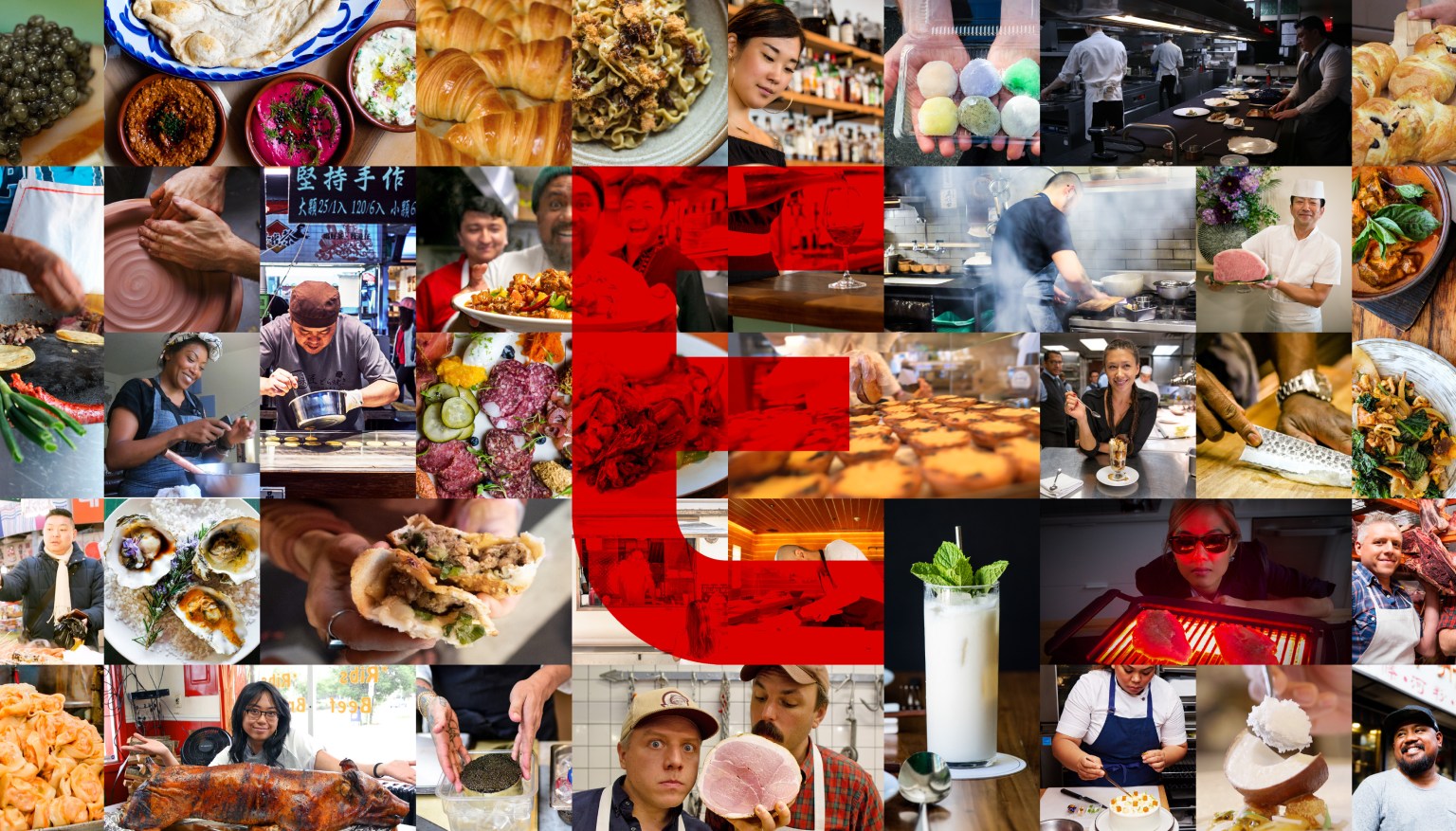
Eater Channel Expands Across Leading OTT Platforms
In 2019, Eater exclusively launched its expansive video library on Roku — today the network expands its offering to audiences across Apple TV, Fire TV, and Android TV

Vox Media introduces Concert Ad Manager, a self serve tool for marketers
The user-friendly tool will allow brands of all sizes to build custom Athena ad units to run across a collection of trusted media brands within the Concert and Concert Local marketplaces

Vox Media’s 2020 Advertising Week Preview
Jim Bankoff, Amanda Kludt, Dylan Matthews Kara Swisher, Scott Galloway, and more join the virtual stage
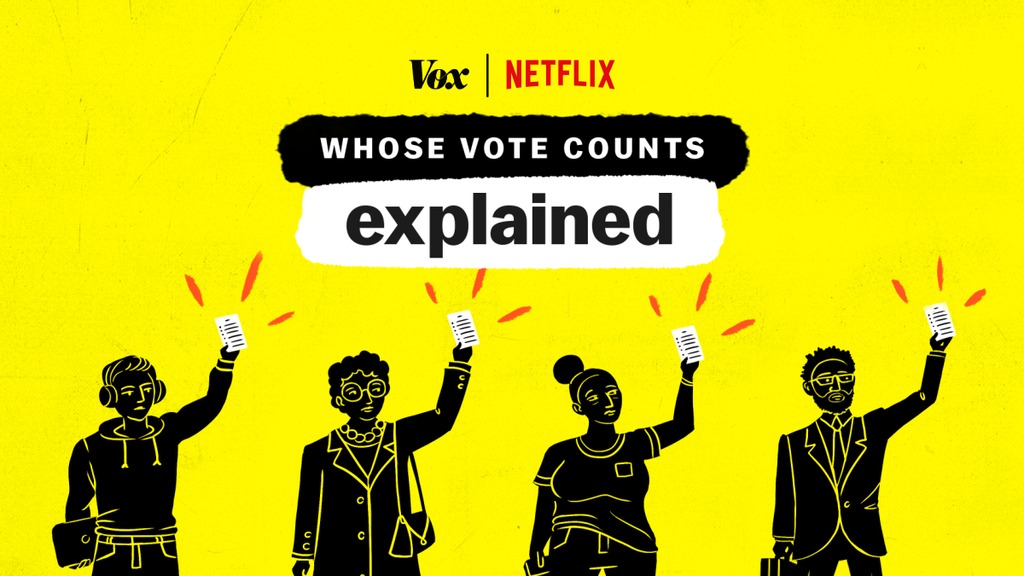
Vox and Vox Media Studios Partner with Netflix and Leonardo DiCaprio’s Appian Way Productions on the New Limited Series, “Whose Vote Counts, Explained”
Narrators Leonardo DiCaprio, Selena Gomez, and John Legend explore America’s electoral system in the latest installment of Vox’s “Explained” franchise, premiering today on Netflix

Polygon partners with ReedPOP for New York Comic Con x MCM Comic Con’s Metaverse, Oct. 8-11
As an official media partner, Polygon will bring programming that celebrates the diverse communities, weird fandoms, popular franchises, and undiscovered talent that shape pop culture

Why Supporting Local Journalism Is Good For Business
We need local news more than ever. The value of trusted local journalism has never been more clear: as trust in government erodes, it is independent reporting that provides the necessary oversight and illumination to inform the public and hold policymakers accountable — local newspapers are responsible for half of the country’s original reporting despite only accounting for 25% of the media outlets. In times of crisis, we rely on trusted information from local outlets to stay safe and informed. During the COVID-19 pandemic, local publishers have seen a significant boost in readership as information about community response has become essential; many have even dropped their paywalls in service of delivering vital information at the expense of short-term revenue gains. Despite this surge in value and readership, many local publishers find themselves on the brink of collapse. This year, local advertising revenue could drop as much as 25%, perpetuating and accelerating a crisis that’s been building for years. For vulnerable local publishers already facing an uphill battle, it could spell doom. To help prevent more news deserts from popping up throughout the country, local publishers need the support of the nation’s biggest advertisers. These high stakes present an opportunity to better understand the connection that local news fosters between audiences and their communities, and whether that same connection can translate to untapped opportunity for national advertisers. We know that supporting local news is good for our world and society, but is it also better at driving business outcomes for advertisers? Vox Media partnered with the global research firm Nielsen to test this theory. Here’s what we learned: Local news helps build incremental audiences In our study, we found that 38% of local news site visitors do not visit any national news sites — meaning a large audience is not being
Why the trusted personal connection of podcasting make the medium a meaningful channel for any marketer
Audiences are looking to podcasts for content they can’t get anywhere else
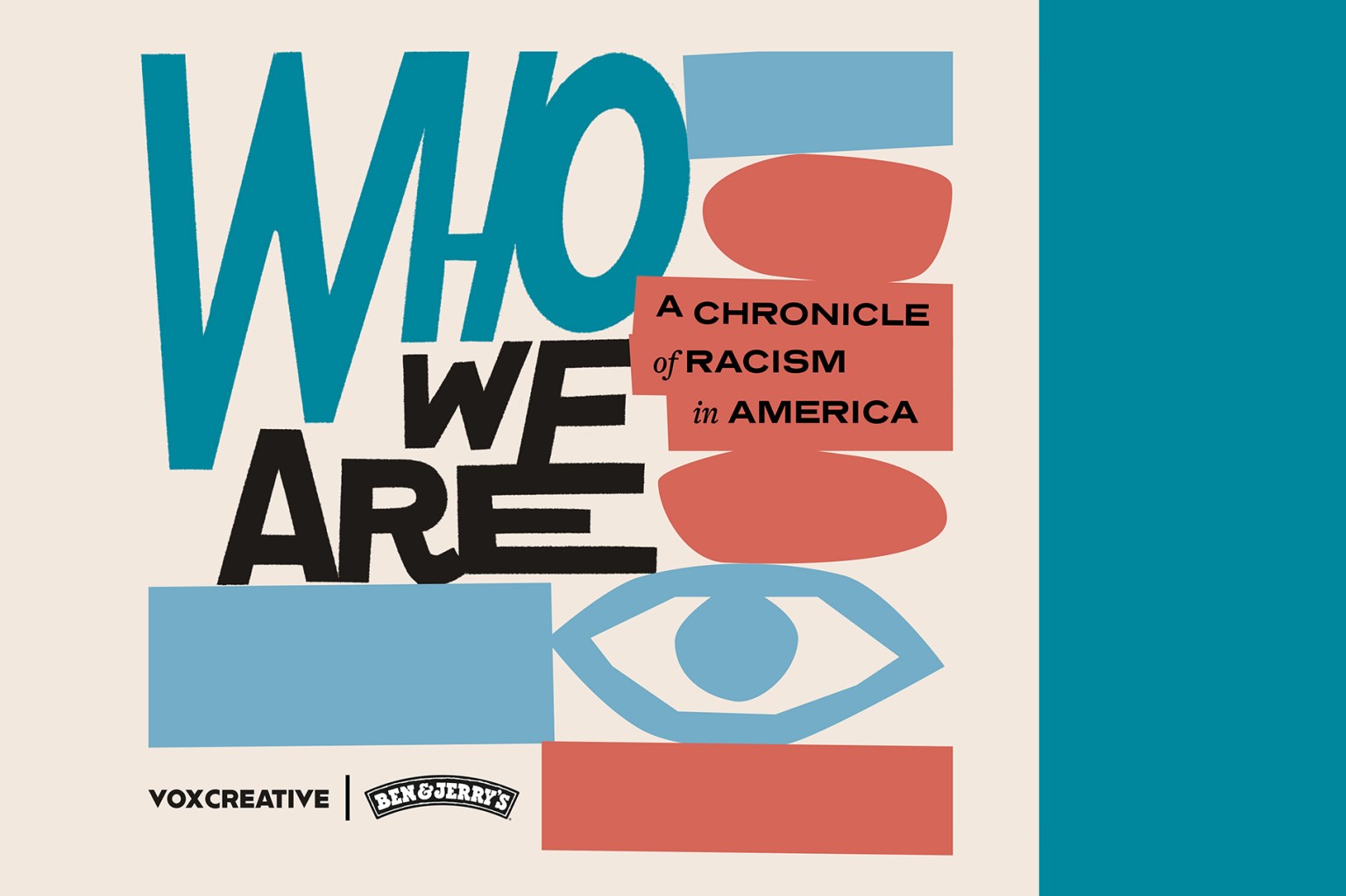
New podcast from Ben & Jerry’s, Vox Creative and The Who We Are Project examines the lesser-known history of racism in America
Introducing “Who We Are: A Chronicle of Racism In America” from the Vox Media Podcast Network

Critically Acclaimed Video Creators Launch New SB Nation Community: Secret Base
The new community pairs the storytellers behind acclaimed programming including “Dorktown,” “Beef History,” and Jon Bois’s ASME-winning “17776” with an interactive community platform at sbnation.com/secret-base

A new project from The Verge chronicles what it’s like to both actively witness and be subjected to state violence
Q&A with Bijan Stephen, Reporter, and Mariya Abdulkaf, Video Producer, outlines how “Capturing the Police” was developed
Vox Creative and KitchenAid debut ‘A Woman’s Place’ on Hulu
Academy Award-winning Director Rayka Zehtabchi, Ventureland, Vox Creative and Digitas Launch Kitchen Appliance Leader’s Initiative to Combat Gender Inequality in the Culinary Industry