

Vox Media to Merge with Group Nine, Home to Leading Collection of Multi-Platform Media Brands
Acquisition Will Create the Leader in Modern Media and the Premier Home for Creators, Storytellers, Journalists, and Product Innovators

Vox Media Insights & Innovation | Fintech: Helping consumers find true financial freedom
The finance industry has undergone a digital transformation. For decades, institutions have been our most trusted financial advisors, but the rapid rise of FinTech has allowed us to take matters into our own hands— literally. Through mobile smartphone apps, FinTech offers consumers new levels of access, power, and control, and as a result, they are now re-writing the traditional rules of finance to work in their favor. FinTech also creates new opportunities for financial inclusivity. By providing everyone equal access to products and services, FinTech aims to right the wrongs of the past and level the playing field for the future. But while these messages of empowerment, equality, and self-reliance resonate with today’s consumers, this new world of digital finance remains mostly unknown. To better understand how the finance industry is evolving, Vox Media partnered with Woo Brand Research on a survey of over 3,000 general consumers. 85% of those surveyed feel that technology has made it easier for them to access their financial information, and 82% believe technology has given people the confidence to take control of their finances. Still, overall usage on mobile finance apps remains low (with the finance-savvy Vox Media consumer being the exception to the rule). Now is the time for brands to build meaningful relationships with consumers and help guide them on their path toward financial freedom. Here’s our rundown on how consumers are shaping the new financial future. APPS ARE THE FUTURE Right now, 68% of consumers do most of their banking online. However, there is a growing desire to do more from their phones; in fact, over half (53%) say they would prefer to do all their banking on their smartphone if they could, and 52% say they would use their mobile phone to pay for everything. This desire, coupled with last

Salesforce and Vox Media Partner for Exclusive Streaming of Award-Winning Pivot on Salesforce+
Video of the hit podcast Pivot with Kara Swisher and Scott Galloway arrives on Salesforce+ in early 2022

New York Magazine Launches Its First-Ever Investigative Series Podcast, Cover Story
The show’s first season, Cover Story: Power Trip, hosted by iO Tillett Wright, will investigate a pattern of abuse within the psychedelic community.

The Second Season of Vox and Vox Media Studios’ The Mind, Explained Premieres Today on Netflix
The Five Episode Documentary Series is Narrated by Julianne Moore

Vox Media Acquires Criminal Productions, Leading Narrative Podcast Studio
Criminal Productions will launch new shows and projects, enabling Vox Media to expand in narrative audio and true crime.

Vulture Wraps Its Eighth Annual Pop Culture Extravaganza Vulture Festival
After hosting a virtual event in 2020, Vulture Festival returned to Los Angeles for an incredible array of actors in conversation, screenings, sing alongs, and unique surprises.

Save the date: Kara Swisher and Scott Galloway to host Pivot MIA February 14–16
Three-day event in Miami is a new type of conference that challenges convention. Featuring the biggest names in fintech, media, education, and more.

Vox Audio Launches New Series “The Future of Work” Across Podcasts Today, Explained, Recode Daily, The Weeds, and Vox Conversations
From labor shortages to remote work, these shows will explore the recent, dramatic changes in the American workplace — and whether these adjustments are permanent.

West Elm Partners With The Strategist on a Co-Branded Digital Shop
Live today, the shop features some of The Strategist’s favorite West Elm items, including a giftable weighted blanket, statement coffee table, and more.

Advertising Week 2021: Vox Media’s Chief Revenue Officer, Ryan Pauley joins Cadillac CMO, Melissa Grady to discuss recent trends and challenges marketers face
Pauley and Grady share the publisher and brand perspective on leveraging a mix of modern platforms to tell more meaningful stories; Plus more from Vox Media at Advertising Week

At the first-ever On the Verge event, Zelle® teams up with Vox Media to showcase the ease of payments in a unique interactive experience
The event gave a nod to an old way of banking, while driving awareness of the Zelle® brand

The Verge’s 10th Anniversary Event, On The Verge, Hosts Executives from Snap, Clubhouse, Eero, and More
The event at Spring Studios in New York City featured leading voices from The Verge including Nilay Patel, Ashley Carman, Casey Newton, and Alex Heath.

‘The Next Thing You Eat’ From David Chang and Morgan Neville Premieres Today on Hulu
Six Episode Docu Series is Produced by Tremolo Productions and Majordomo Media for Vox Media Studios
Insights & Innovation | What working women want
A survey of professional women in partnership with Vox Media and Watermark

New York Magazine and Curbed’s Nice Try! Podcast Returns With a New Season
In season two of Nice Try!, host Avery Trufelman will explore how our homes became private utopias.
Insights & Innovation: I Am What I Watch
How premium content defines today’s consumer
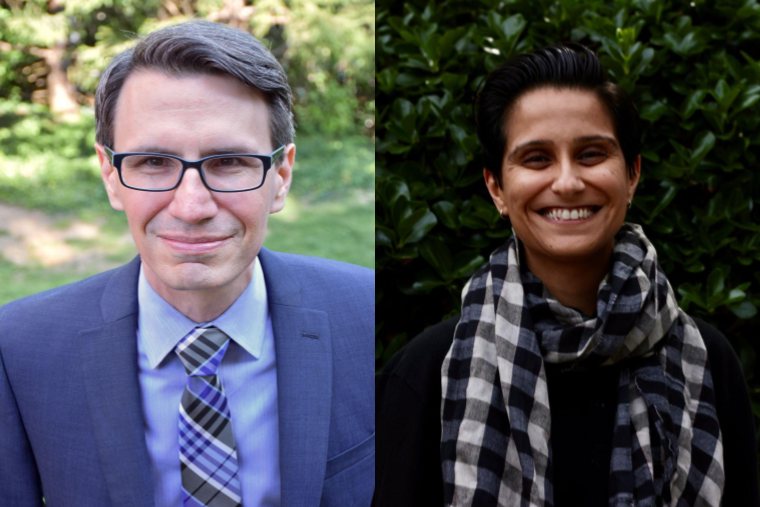
Vox Media hires Greg Barber as VP of Product, Consumer Revenue, and Zahra Ladak as VP of Product, Platform
Vox Media’s Head of Product, Jennifer Cullem, today announced the hire of Greg Barber as VP of Product, Consumer Revenue, and Zahra Ladak as VP of Product, Platform. Both Barber and Ladak will report to Cullem. Ladak started in September and Barber will start in mid-October. Barber will lead consumer revenue from a product perspective at Vox Media, working across subscriptions, including New York Magazine and other paid products like Cafe Insider, Hot Pod. He’ll also focus on bringing new premium subscriber-only experiences to market. Barber joins Vox Media from the Washington Post, where he spent nearly two decades and most recently held the role of Director of News Product. Barber was also the co-founder of the Coral Project, a collaboration with Washington Post, The New York Times and Mozilla to build an open-source commenting system and best practices for growing communities around journalism, which went on to be acquired by Vox Media in 2019. “I’m driven by the electricity of collaboration, mixing experts in journalism and technology to tell dynamic stories and engage subscribers,” said Barber. “I’m excited to join the Vox Media team, already awash in talent, and work across the company to expand our business and inform and delight our audience.” Ladak will work on products across Vox Media’s owned and operated platforms, as the company continues to build its core product and technology to provide engaging, valuable, and novel experiences with journalism across its editorial brands. Before Vox Media, Ladak held product roles at Spotify, Zocdoc and more. “I’m very interested in building product and platform solutions to business challenges leading with a customer and data driven mindset,” said Ladak. “Joining Vox Media at this stage in my career feels like a natural fit, where I’ll be able to continue to help scale products to new
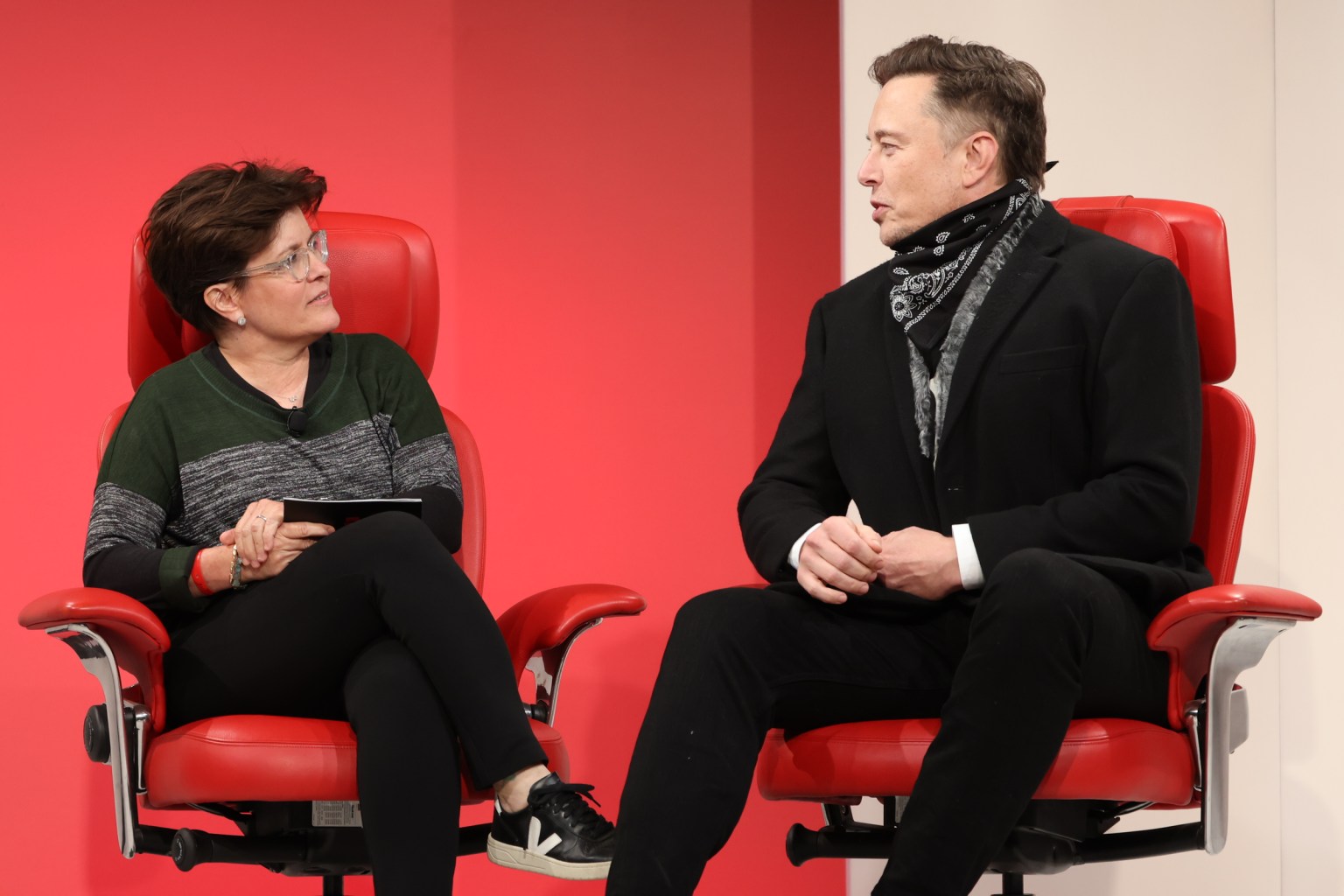
Elon Musk, Jason Kilar, Marc Benioff, Ariel Emanuel, and More Join Vox Media For Day Two of Code Conference
On-stage interviews featured Vox Media’s leading voices including Sean Rameswaram, Nilay Patel, Scott Galloway, Jamil Smith and Olivia Nuzzi
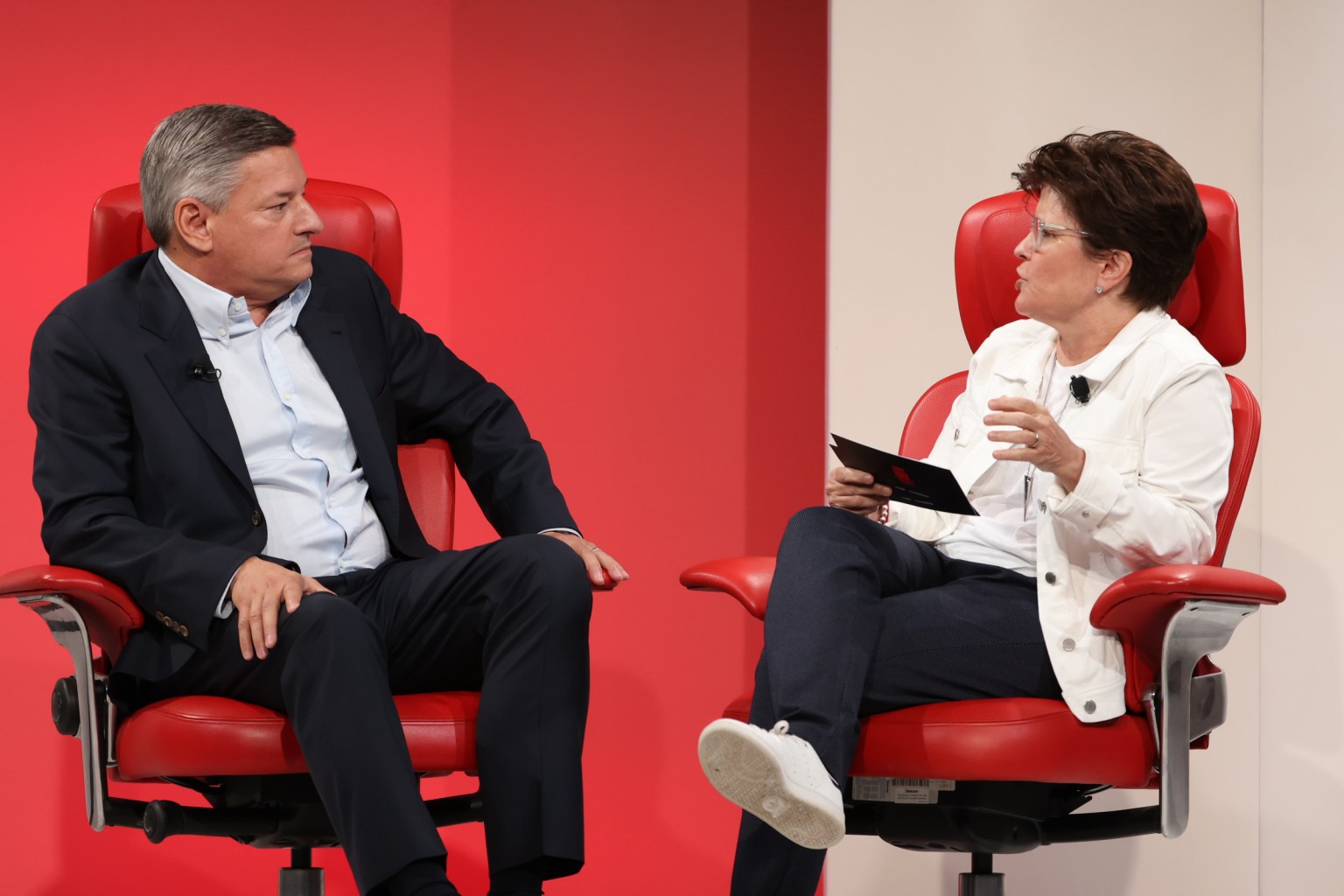
Vox Media’s Code Conference Kicks Off With Ted Sarandos, Gary Gensler, Satya Nadella, and More
The annual technology conference co-founded and hosted by journalist Kara Swisher kicked off today featuring discussions with some of the biggest names in the business
How QuickBooks partnered with Vox Media to equip small business owners with information and inspiration to not just survive, but thrive through the pandemic and beyond
A case study on the “Shift Happens” campaign – which led to a 33 point lift in favorability and 66 point lift in consideration for the brand.

Insights & Innovation | When athletes care, audiences do too
What audiences want to see from content creators and brands that cover sports — and activism within sports — today

Vox Media thought leaders participate in AAJA, NABJ, and NAHJ 2021 conventions
A recap of three annual journalism conventions that drive our industry forward
Recode’s Land of the Giants Returns With a New Season — and This Time — It’s All About Apple
Peter Kafka returns to host Land of the Giants: The Apple Revolution. Subscribe to listen to the new season.