
Vox: Building Audience Trust
Understanding the world is an increasingly complex and time-consuming proposition. At Vox, we have a responsibility that starts with respecting our audience’s time. When our audience comes to us, it’s because they need to know something, and they trust we’ll help them learn. But that trust must be earned – it’s the most important exchange between a newsroom and the audience, particularly at a time when trust in institutions is eroding. At Vox, we show our work to respect our audience’s time and to build their trust in us. By approaching every topic with transparency, we honor their intellectual curiosity and human dignity. Our journalism is a service to the audience. People are at the center of what we do and why we do it. We spark curiosity, over-deliver on expectations, and embrace nuance while offering moral clarity in everything we cover. We empower our audience by carefully explaining the facts, what matters, and how ideas are shaping our world. It was important that we hear feedback from news consumers about how we’re earning that trust, so we conducted a survey led by Edwin Wong, Vox’s SVP, Insights & Innovation, and the Circus, an insight and data storytelling consultancy. Our goal was to learn more about their experiences with news providers. TRADITIONAL APPROACHES TO THE NEWS AREN’T MEETING AUDIENCE NEEDS Nearly ⅔ of our polled audience feel that other news organizations don’t offer the necessary educational tools to give the context of why something is important, or how to become engaged in the outcome of current affairs. Audiences want to go deeper in the news they consume — they want ideas to be dissected, not just discussed. Most of our polled audience is looking for news orgs to not just tell them what’s going on, but how they should be involved.

The Dodo Premieres a First Look at the President and First Lady’s Newest Pet Cat, Willow
Video Provides Look at Willow’s Journey from the Farm to the White House
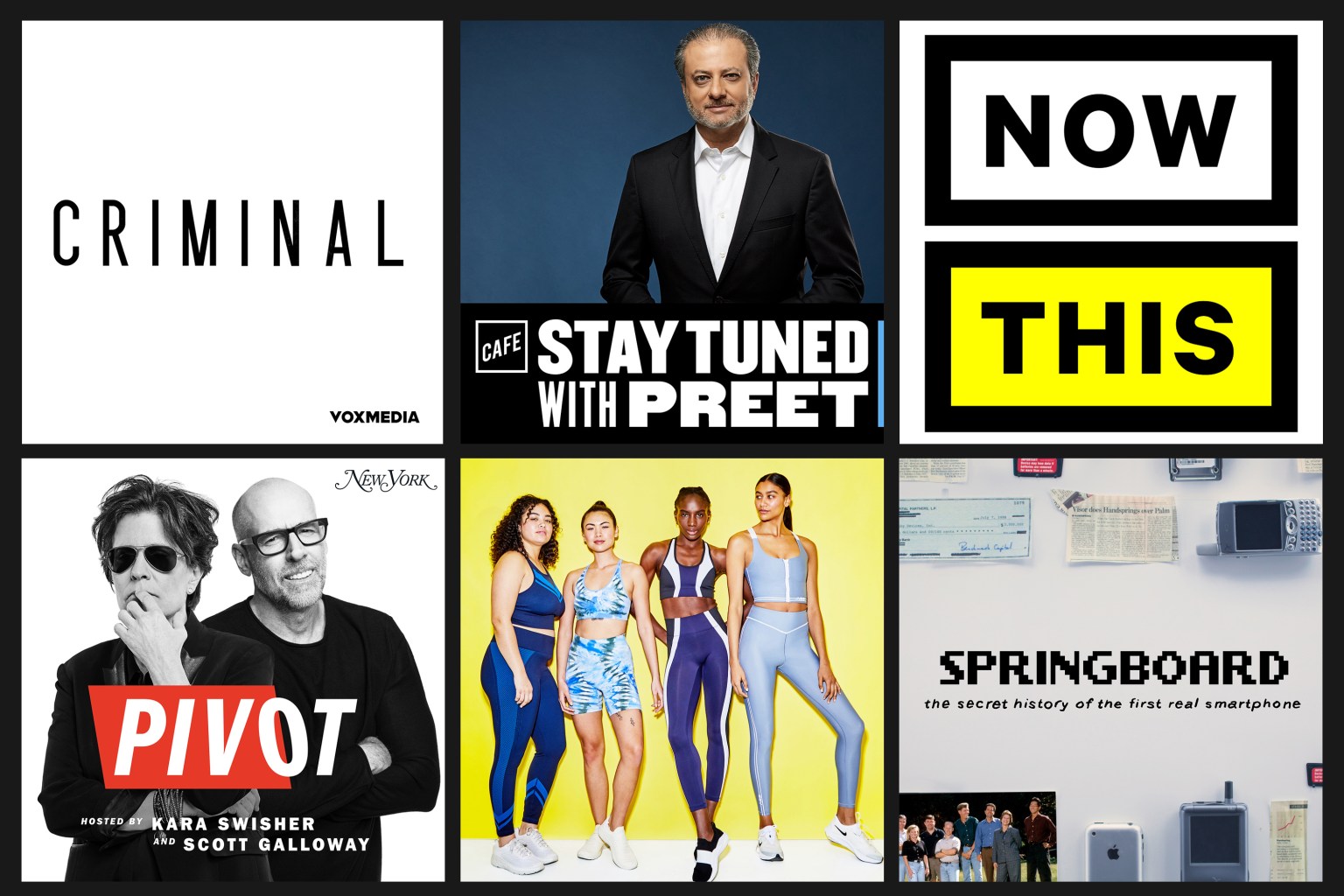
Vox Media Receives 13 Webby Award Nominations
Vote today for your favorite podcast, video series, and social content!
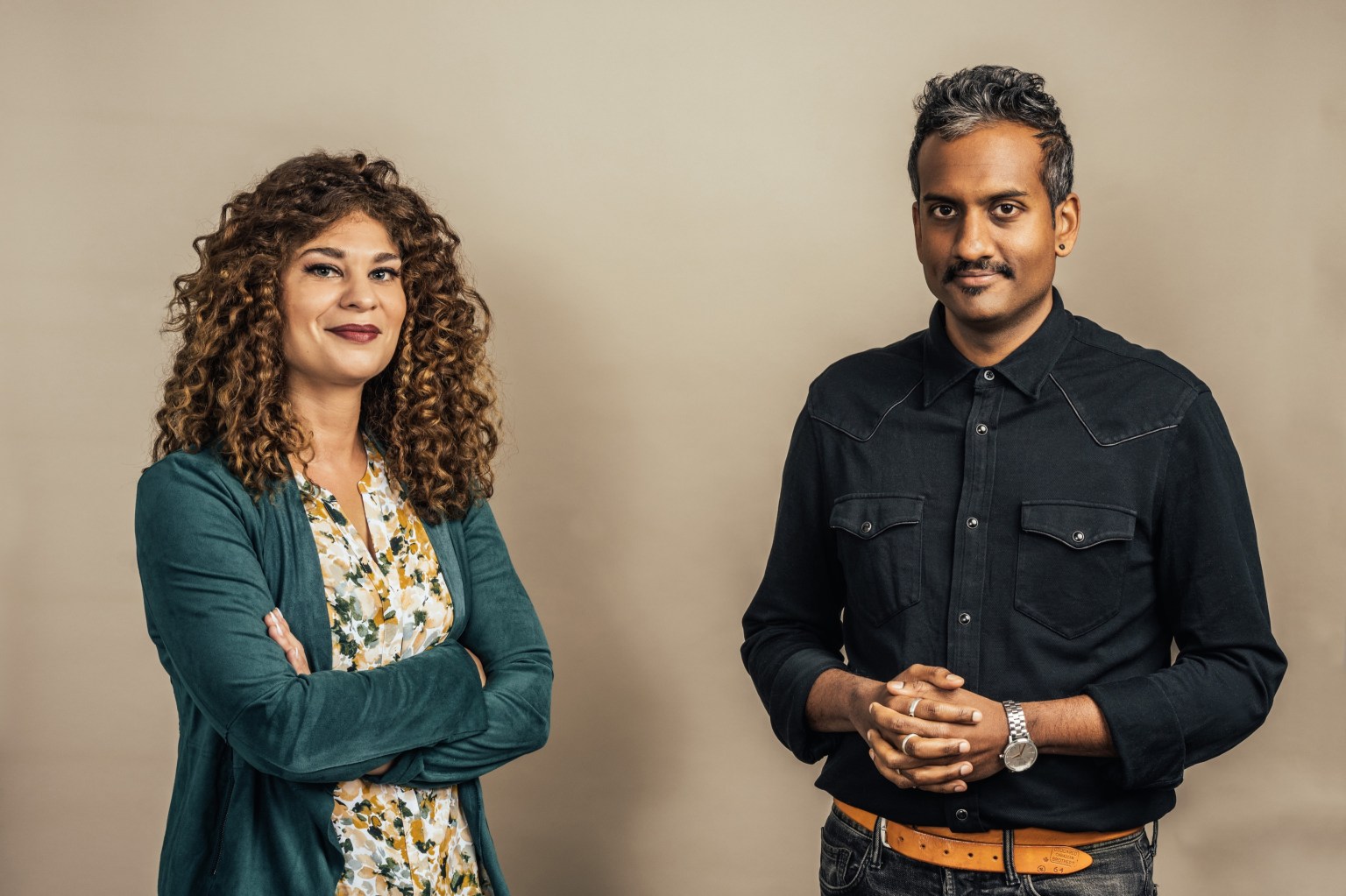
Today, Explained, Vox’s Flagship Daily News Podcast, Debuts on Public Radio Through Partnership with WNYC Studios
Beginning today, the award-winning explainer show hosted by Sean Rameswaram and Noel King will air on local public radio stations including Philadelphia’s WHYY, Oregon Public Broadcasting, New Hampshire Public Radio, Cincinnati Public Radio, New Orleans Public Radio, Baton Rouge’s WRKF, and more.

“Land of the Giants: Titans of Tech” Based on Recode Podcast Premieres Today on CNN+
Vox Media Studios Produced Documentary Series Focuses on Amazon, Apple, Google, Meta, and Netflix
Vox Media and UM announce new partnership with the American Advertising Federation as part of Breaking Media program
In its second year, the program continues to facilitate entry of underrepresented groups into advertising and media through free industry education, mentorship and bespoke programming
Mattress Firm Partners with Vox Creative to launch a new podcast about our shared struggle to sleep
Hosted by Kate Berlant, “Are You Sleeping?” invites listeners to learn more about why sleep matters and the effects of sleep on the quality of our lives

Join Vox Media at SXSW 2022
Leaders and voices from Vox Media will take the stage to discuss navigating media, brand purpose and creativity

Vox Media Announces Leadership for Editorial Brands and Studios
President Pam Wasserstein shared the leadership structure for editorial and studios teams following the acquisition of Group Nine.
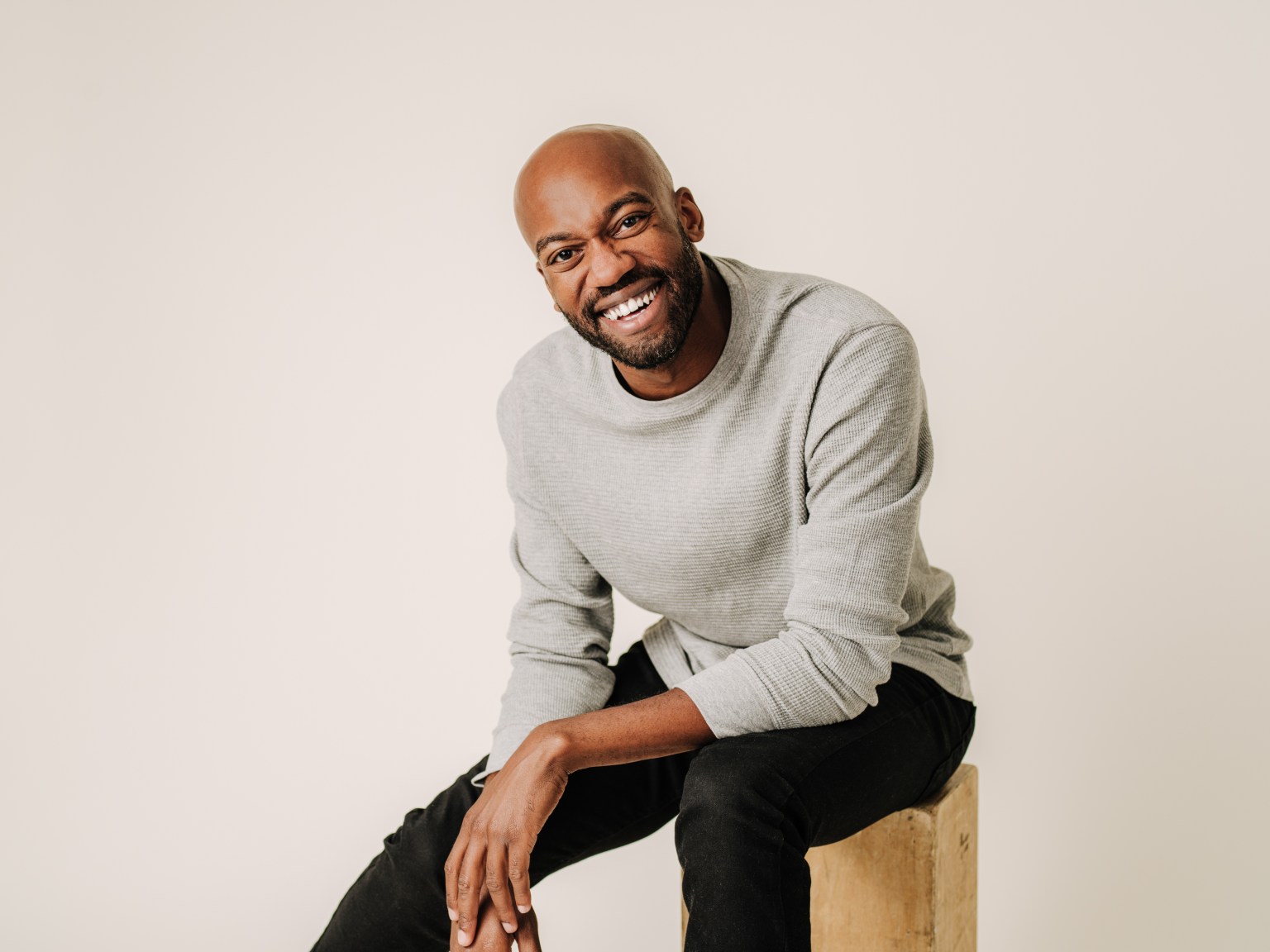
Sam Sanders Joins New York Magazine to Develop and Host Vulture’s Flagship Culture Podcast
The audio journalist joins New York Magazine from NPR, where he was host of the podcast and radio show It’s Been a Minute.
New York Magazine’s Investigative Series Podcast, Cover Story: Power Trip Is Out With Part Two
In the season’s second half, the show goes above ground to investigate some of the official institutions and structures that were supposed to shepherd psychedelic therapy into the mainstream.

Vox Media Receives 9 National Magazine Award Nominations; Wins an ASME Next Award and 3 ASME Awards for Photography & Illustration
New York receives eight National Magazine Award nominations, the most of any magazine.
New podcast from Ben & Jerry’s and Vox Creative Stirs Up a Crucial Recipe of Activism, Art and Culture
“Into the Mix” Kicks off Today with Guest John Legend

Vox Media Completes Acquisition of Group Nine
With this acquisition, the modern media leader sets itself apart

The Allstate Foundation teams up with Hello Sunshine and Vox Creative to build voice-amplifying creative platform to bring awareness and tools to survivors of financial and domestic abuse
Three brave women narrate their stories of abuse and recovery in new online resource for bystanders and survivors

Recap: Kara Swisher and Scott Galloway host Vox Media’s first-ever Pivot MIA event
The three day event featured discussions with some of the hottest names in media, finance and tech, with a number of conversations focused on Miami itself
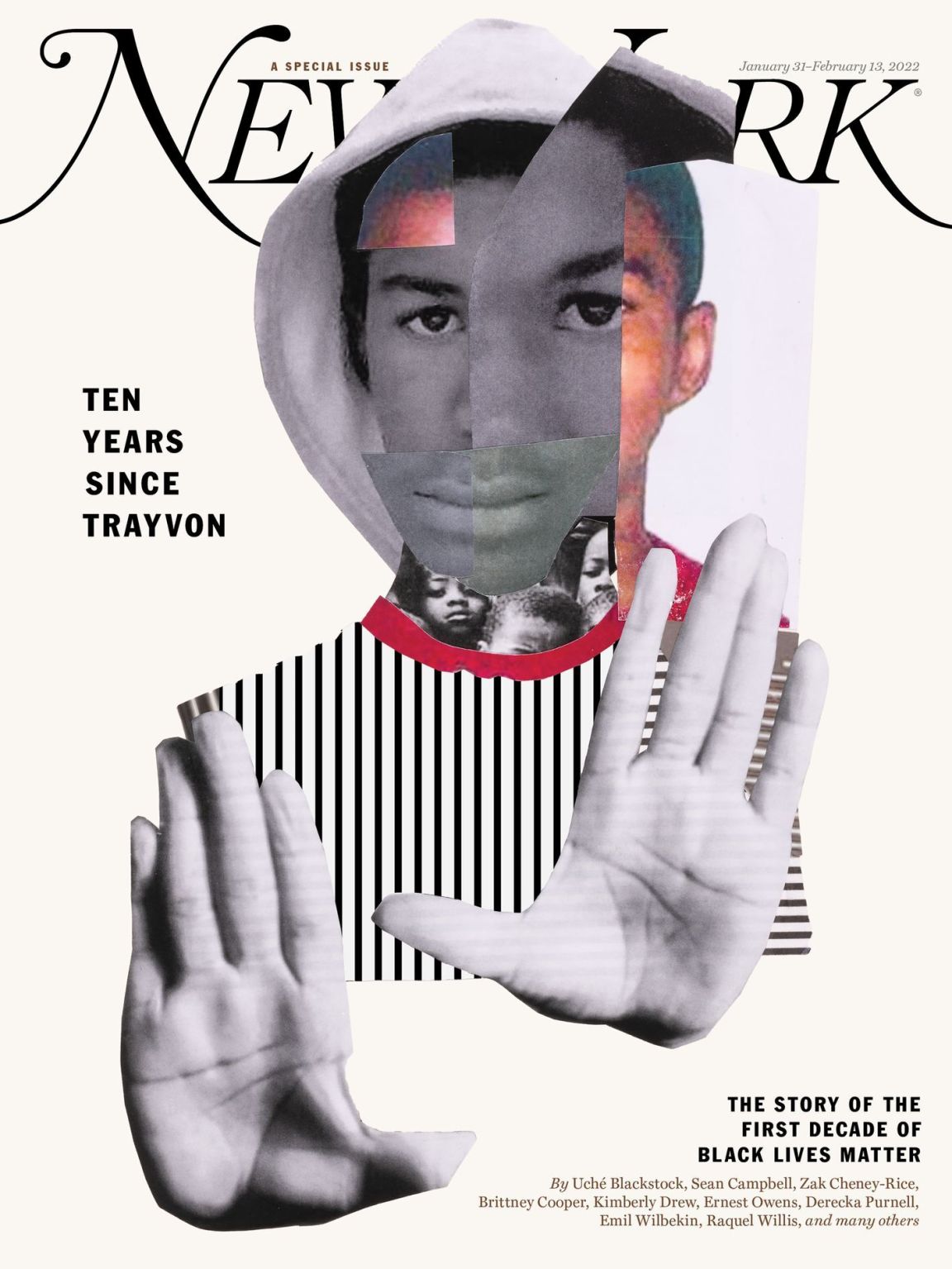
Inside New York Magazine’s “What Happened to Black Lives Matter?”
The conversation was hosted by The Cut’s editor-in-chief Lindsay Peoples Wagner
Vox Media proudly earns a 100 on the Human Rights Campaign Foundation’s Corporate Equality Index for the Fourth Year in a Row
The rating designates Vox Media as a Best Place to Work for LGBTQ+ Equality

Insights & Innovation: The Great Relocation
It’s no secret that moving is one of the most stressful life events— and yet, we’re always doing it. Not even a global pandemic can stop people from changing addresses, as the last ~2-years have proved. Ever since March 2020, when our “new normal” began, it’s seemed like more Americans have been on the move than ever before. It’s an event some have called “The Great Migration.” However, it is important to differentiate the current phenomenon of relocation from the original Great Migration, which refers to the movement of nearly six million Black Americans out of the rural Southern United States to the urban Northeast, Midwest, and West between 1916 and 1970. Just how “Great” has this current phase of pandemic-era relocation been? To find out, we partnered with the research company Corus on a survey of over 2,000 Americans who have recently moved. Our aim was to: Understand COVID’s impact on moving Identify who moved and why Determine whether the move was positive or negative Find out how moving may have impacted patterns of spend What we found was somewhat surprising. By 2021, the majority of those who were willing and able to move due to Covid had already done so; as a result, nearly six million fewer Americans moved this year because of the pandemic. Read on for more discoveries and how marketers can help fill the gaps in times of transition. JUST HOW GREAT HAS THE “GREAT RELOCATION” BEEN? From February 2020 to December 2021, about 56 million Americans, or about 17% of the population, moved to a new home. That sounds like a lot, but when placed in historical context, it’s a number that has been steadily trending downward for more than 50 years. Even taking into account these low expectations, the number of people who
Pivot MIA reveals first look at event lineup with WeWork’s Sandeep Mathrani, The New York Times’s Meredith Kopit Levien, Ben Smith and Justin Smith
Kara Swisher and Scott Galloway’s Pivot franchise will come to life in Miami, featuring the hottest names in finance, media, education, entertainment, climate, and more
A Year of Growth: Vox Media Looks Back on Its 10th Year
The modern media company signed a deal to acquire Group Nine Media, grew in podcasting, brought back live events, and continued to reach audiences with engaging storytelling and content

Vox Media to Merge with Group Nine, Home to Leading Collection of Multi-Platform Media Brands
Acquisition Will Create the Leader in Modern Media and the Premier Home for Creators, Storytellers, Journalists, and Product Innovators
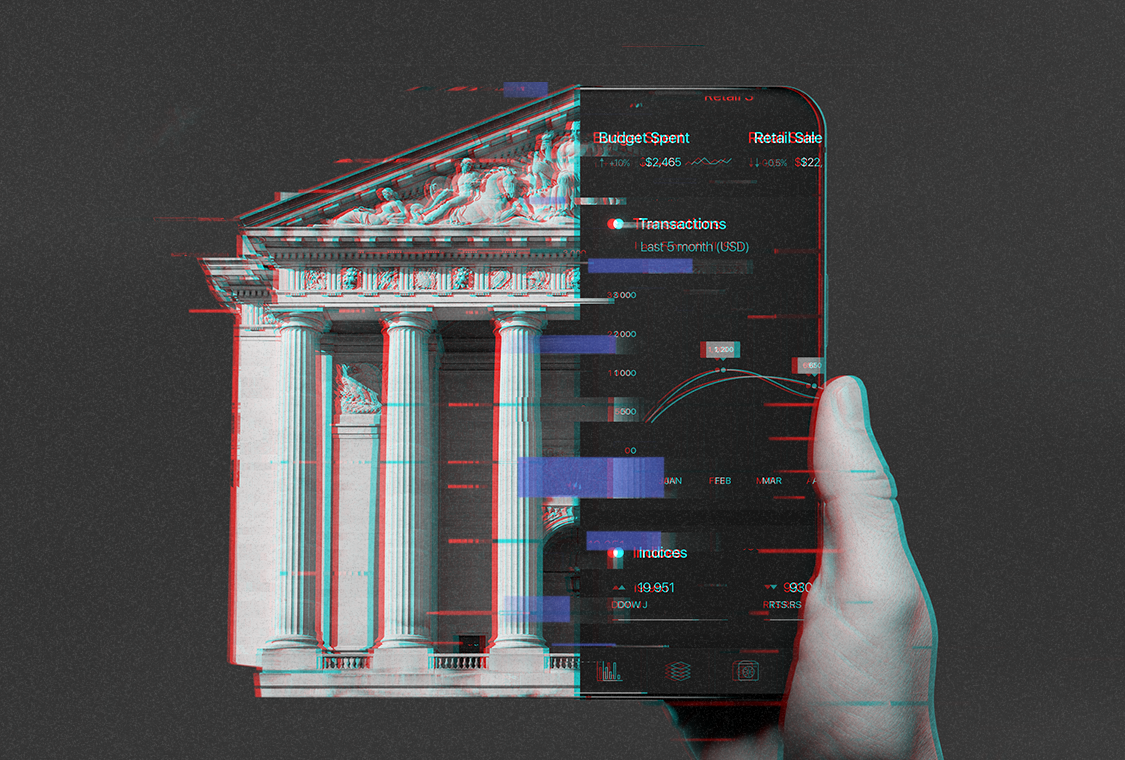
Vox Media Insights & Innovation | Fintech: Helping consumers find true financial freedom
The finance industry has undergone a digital transformation. For decades, institutions have been our most trusted financial advisors, but the rapid rise of FinTech has allowed us to take matters into our own hands— literally. Through mobile smartphone apps, FinTech offers consumers new levels of access, power, and control, and as a result, they are now re-writing the traditional rules of finance to work in their favor. FinTech also creates new opportunities for financial inclusivity. By providing everyone equal access to products and services, FinTech aims to right the wrongs of the past and level the playing field for the future. But while these messages of empowerment, equality, and self-reliance resonate with today’s consumers, this new world of digital finance remains mostly unknown. To better understand how the finance industry is evolving, Vox Media partnered with Woo Brand Research on a survey of over 3,000 general consumers. 85% of those surveyed feel that technology has made it easier for them to access their financial information, and 82% believe technology has given people the confidence to take control of their finances. Still, overall usage on mobile finance apps remains low (with the finance-savvy Vox Media consumer being the exception to the rule). Now is the time for brands to build meaningful relationships with consumers and help guide them on their path toward financial freedom. Here’s our rundown on how consumers are shaping the new financial future. APPS ARE THE FUTURE Right now, 68% of consumers do most of their banking online. However, there is a growing desire to do more from their phones; in fact, over half (53%) say they would prefer to do all their banking on their smartphone if they could, and 52% say they would use their mobile phone to pay for everything. This desire, coupled with last
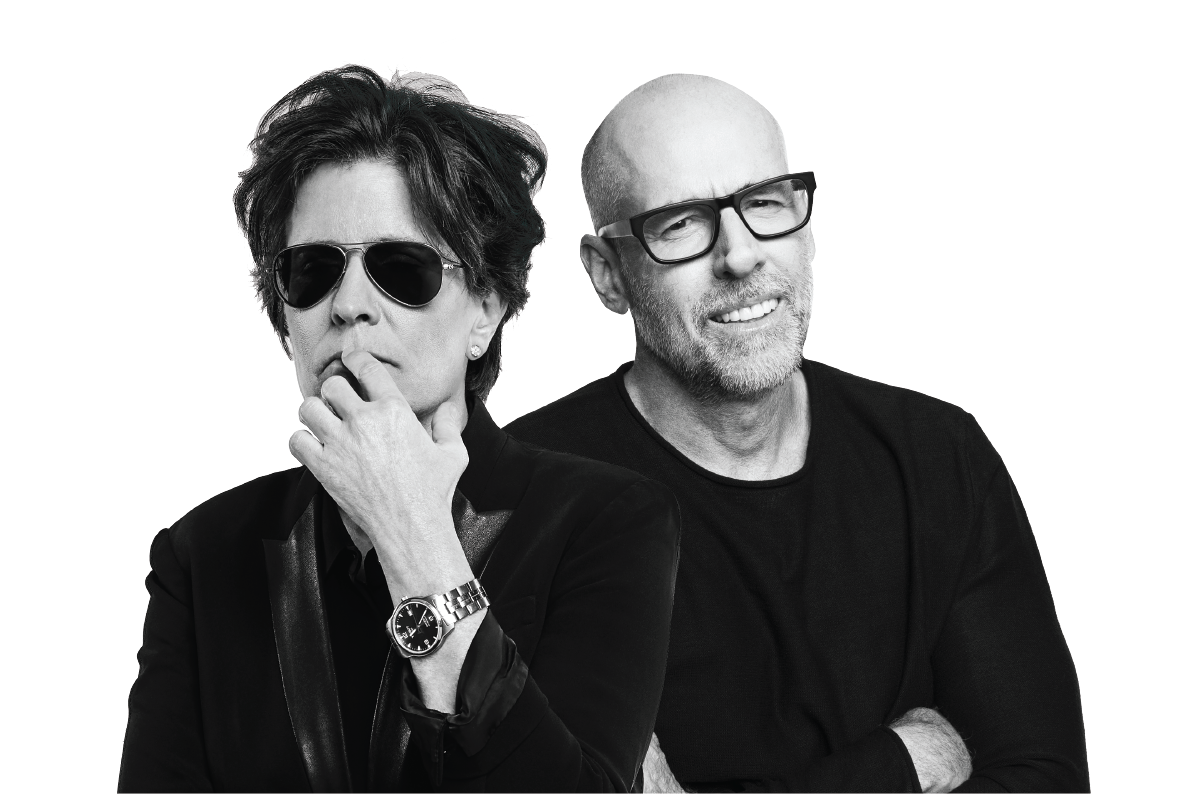
Salesforce and Vox Media Partner for Exclusive Streaming of Award-Winning Pivot on Salesforce+
Video of the hit podcast Pivot with Kara Swisher and Scott Galloway arrives on Salesforce+ in early 2022